
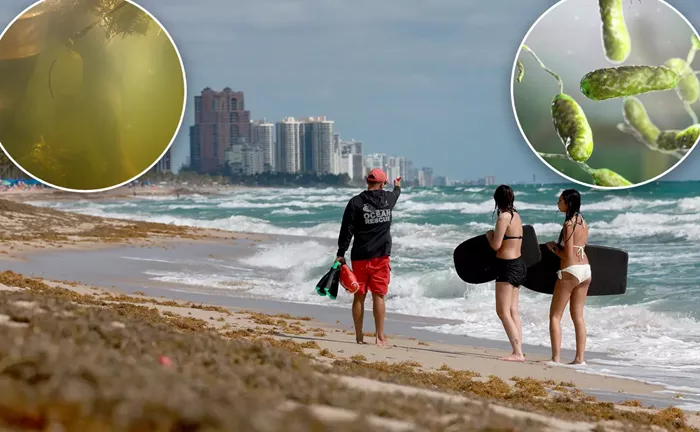
As summer temperatures soar and more people head to the Gulf Coast for recreation, health officials are warning of a dangerous rise in infections caused by Vibrio vulnificus, a rare but deadly bacterium often called “flesh-eating” due to its tissue-destroying effects.
This year, Louisiana is reporting an unusually high number of cases. As of July 30, the state confirmed 17 infections and four deaths — a sharp rise compared to the average of seven cases and one death annually over the past decade. Florida, meanwhile, has reported 13 infections and four deaths so far this summer.
The Louisiana Department of Health has issued a warning, urging individuals — especially those with weakened immune systems or underlying conditions such as liver disease, diabetes, or kidney failure — to be cautious when entering warm, coastal waters.
What is Vibrio vulnificus?
This bacterium thrives in warm, brackish waters where rivers meet the sea. It can enter the body through open wounds or via consumption of raw or undercooked shellfish, particularly oysters. Once inside, the infection can spread rapidly, causing sepsis, organ damage, and in severe cases, necrotizing fasciitis — a serious condition where the skin and soft tissue begin to die.
Symptoms may include:
- Sudden fever and chills
- Swelling or painful red skin patches
- Fluid-filled blisters
- Nausea, vomiting, or diarrhea
- Low blood pressure, rapid heartbeat, or confusion
Infections typically appear within 24 hours of exposure, and without prompt treatment, can be fatal in just a few days.
How to protect yourself:
- Avoid swimming with open wounds or fresh tattoos.
- Wear protective clothing and footwear in coastal areas.
- Immediately wash any wounds exposed to seawater.
- Thoroughly cook seafood before eating.
- Clean surfaces and wash hands after handling raw shellfish.
Although Vibrio vulnificus infections remain rare — with 150 to 200 cases reported nationally each year — experts urge heightened caution as water temperatures rise and extreme weather events become more frequent.
Health departments continue to monitor outbreaks across other Gulf Coast states as summer draws to a close.
You may also like
Second Small Earthquake in Days Raises Health Concerns in N.J.
CDC Issues Travel Alert Over Chikungunya Outbreak in China
NHS Urges Long-Term Support After Stopping Weight-Loss Drug Treatments
