
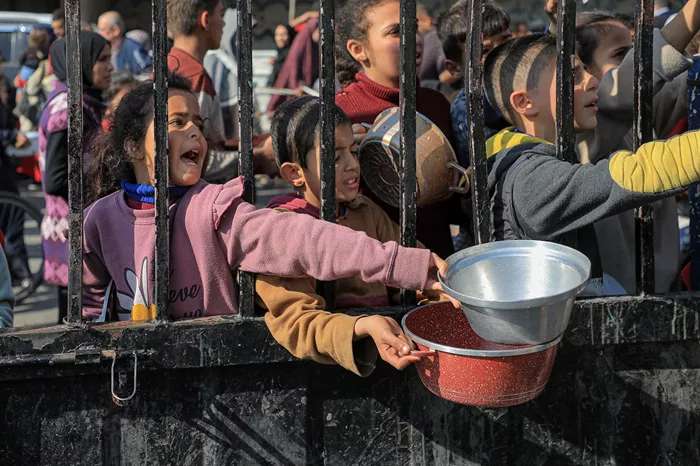
As starvation-related deaths rise in the Gaza Strip, medical experts warn that simply delivering food will not solve the crisis. Treating severe malnutrition, they say, is a complex and delicate process that must be carefully managed to avoid potentially fatal complications.
Since the outbreak of war, over 160 people—more than half of them children—have died from starvation, according to Gaza’s Health Ministry. The Integrated Food Security Phase Classification (IPC), a global authority on hunger, reports that nearly the entire population of Gaza is experiencing a food security emergency, with over half facing catastrophic levels of deprivation.
In such extreme conditions, immediate access to food can be dangerous. “If you do what the body wants—eat and drink as much as possible—you can cause permanent imbalances that may lead to heart failure or organ damage,” said Dr. Kavita Patel, an internal medicine physician and NBC News medical contributor.
Even giving water to someone in the most advanced stages of starvation can cause the body to shut down, Patel noted.
How Starvation Affects the Body
In the early stages of starvation, the body consumes its glycogen stores—energy reserves from carbohydrates stored in the liver and muscles. These stores last only a few days. Once depleted, the body begins to break down fat, and eventually muscle tissue, leading to extreme weight loss and a gaunt appearance.
Mental function also deteriorates. As the brain is deprived of energy, individuals may experience irritability, hallucinations, and impaired judgment. “It’s very hard to make sound decisions. People may hear or see things that aren’t there—it’s the body’s desperate attempt to cope,” Patel explained.
As the immune system collapses, infections become the most common cause of death. Eventually, the heart is compromised, blood pressure drops, and cardiac arrest can occur.
Infants, pregnant women, the elderly, and those with chronic illnesses are at greatest risk, said Dr. Irwin Redlener, a pediatrician and public health expert at Albert Einstein College of Medicine.
Treating Starvation: A Dangerous Balance
Treating someone in a state of severe starvation requires medical supervision. “It’s like a downpour after a drought—the ground is too dry to absorb water, leading to flash floods. That’s what refeeding can be like,” Patel said.
“Refeeding syndrome,” a potentially fatal shift in fluids and electrolytes, can occur when nutrition is reintroduced too quickly. Proper treatment involves gradually increasing caloric intake and monitoring key blood levels, including sodium and potassium.
“A bag of flour won’t save anyone—it lacks essential nutrients,” said Dr. Nour Alamassi, medical lead for Project HOPE, a global health organization. “Too many carbohydrates can be life-threatening for people with Severe Acute Malnutrition (SAM), and even for those who haven’t eaten properly for months.”
Ideally, patients would receive specialized care over weeks or even months. Children would be stabilized with fortified milk formulas and ready-to-use therapeutic foods (RUTF), which are nutrient-dense and easy to digest. But Gaza’s collapsing healthcare system is far from that ideal.
“We don’t have enough doctors, or the right supplies,” Alamassi said. “We recently ran out of High Energy Biscuits, which are critical. Each day without these essentials affects survival.”
Long-Term Consequences
Even when malnourished individuals survive, the toll can be permanent—especially for children. Physical effects include weakened immune systems, stunted growth, and delayed puberty. Cognitive development can also suffer; iron and zinc deficiencies during early years can cause irreversible brain damage, impairing learning and problem-solving skills.
“This is a crisis affecting an entire generation of children,” said Alamassi. “They will live with the consequences for the rest of their lives.”
Adults, by contrast, may fully recover if refeeding is properly managed. “Most adults can regain their health unless they’re at a terminal stage of starvation,” Redlener said. But survivors must be monitored for years to catch late-emerging health problems.
“As people age, their bodies remember nutritional deprivation,” Patel added. “We must ask ourselves: how long can we go on like this without proper support on the ground?”
Read more:
Kindergartnen Vaccine Exemptions Hit Record High Amid Measles Surge
Pharmacists Reveal Supplements That Shouldn’t Be Taken With Coffee
Low-Dose X-Rays Offer Relief for Arthritis and Tendinitis Sufferers
