
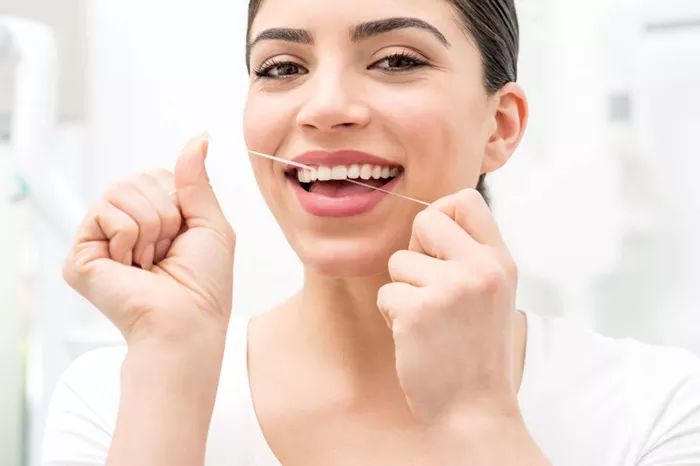
A groundbreaking new study suggests dental floss might offer more than just oral hygiene benefits—it could revolutionize vaccine delivery. Collaborating across Texas Tech University and North Carolina State University, researchers have demonstrated that dental floss coated with vaccine agents can deliver them into the junctional epithelium (JE)—a naturally permeable tissue located at the pocket between tooth and gum.
This innovative approach has shown promising results in mice, including robust systemic and mucosal immune responses.
What Makes the Junctional Epithelium So Special?
Unlike other mucosal tissues with strong barrier defenses, the JE possesses a uniquely “leaky” structure designed to allow immune cells to patrol against bacteria. This makes it an ideal target for antigen delivery—once a vaccine-coated floss reaches this region, it may more readily enter the body and stimulate immune reactions locally and systemically.
Mouse Model Results: Immune Response and Protection
In lab experiments, mice were flossed with unwaxed dental floss coated with a peptide-based flu vaccine. These mice received three doses over several weeks. Compared to unvaccinated controls, those that received floss-delivered vaccines exhibited:
Durable mucosal antibodies in the lungs, nasal lining, and mouth
Strong systemic immunity, including elevated T‑cell and antibody‑secreting cells in lymph nodes, spleen, and bone marrow
Full protection against lethal influenza challenge—all floss‑vaccinated mice survived, unlike the control group.
This floss-based method surpassed under‑tongue delivery and matched the efficacy of nasal immunization—without associated risks such as vaccine reaching the brain tissue.
Beyond Flu: Versatility of the Floss Platform
The researchers tested multiple vaccine formats—including proteins, inactivated virus, peptide‑bearing nanoparticles, and mRNA—and found consistently strong systemic and mucosal immune responses across all types, even when the mice ate or drank shortly after flossing.
Feasibility in Humans: Early Trials with Dye
In a preliminary human feasibility test, 27 volunteers flossed with a pick coated in fluorescent dye. Imaging showed about 60% of the dye deposited into the gingival sulcus—indicating good delivery potential for real antigens using floss picks or coated dental strips.
Advantages and Limitations
Benefits:
- Needle‑free, pain‑free delivery—ideal for needle‑averse individuals
- Self-administered or mail‑distributed, making it practical for remote or resource-limited areas
- Lower cost and logistical burden compared to injectables and cold‑chain vaccines.
Challenges:
- Not suitable for infants or toothless individuals
- Unknown effectiveness in people with gum disease or oral infections
- Potential for local inflammation or unintended side effects in gums
- More clinical research needed to ensure efficacy and safety matches traditional vaccines.
What Comes Next?
The study’s authors plan to refine floss-delivery methods for human use—likely via ergonomic floss picks—and progress to trials in larger animal models before moving into early-phase human studies. Future work must address safety, consistency in vaccine dosing, and variations among individuals in gum health.
Broader Context: The Rise of Needle‑Free Vaccines
This floss‑based delivery system joins a growing toolset of needle‑free vaccine platforms, including:
Intranasal sprays, which face absorption challenges and safety risks near the brain
Oral tablet vaccines, like those developed by Vaxart, which stimulate mucosal immunity via the gut
Skin‑based or cream formulations, such as those using modified bacteria to deliver antigen without injections.
Yet floss-based vaccines may offer a unique advantage by targeting mucosal surfaces without barriers or systemic complexity, while preserving sterility and ease of distribution.
Summary
A recently published study in Nature Biomedical Engineering reveals that dental floss coated with vaccine agents can immunize mice through the junctional epithelium, eliciting both local (mucosal) and systemic immune responses, with full protection against influenza in test animals.
Early dye-based human trials support feasibility. While it’s still at an early stage, this needle‑free method shows considerable promise—especially for needle-phobic patients and in low-resource settings. Future human studies will be needed to confirm safety, efficacy, and practicality.
Read more:
