
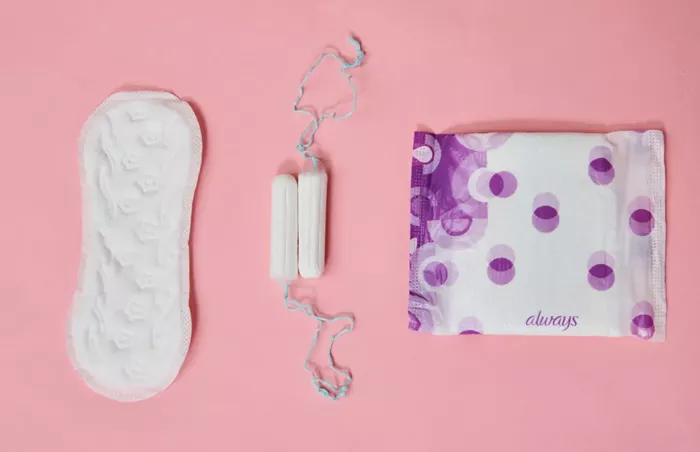
A recent study has brought to light a concerning discovery regarding eco – friendly menstrual products. It has found extremely high levels of PFAS, or perfluoroalkyl and polyfluoroalkyl substances, in a small sampling of reusable menstrual pads and panties. These substances are infamously known as “forever chemicals” because they don’t break down fully in the environment.
PFAS are a group of over 6,000 man – made chemicals that have been used in a wide range of consumer products since the 1940s. In menstrual products, they are likely added to enhance absorbency or provide stain – resistance, especially in period underwear.
However, their presence is alarming due to the potential health risks associated with them. As endocrine disruptors, various types of PFAS have been linked to serious health problems. These include cancer, obesity, high cholesterol, decreased fertility, low birth weight, accelerated puberty, and hormone disruption, as stated by the EPA.
The study, which was published in the journal Environmental Science and Technology Letters, analyzed 59 products in total, including 43 period underwear, eight reusable pads, four menstrual cups, three reusable incontinence underwear, and one reusable incontinence pad. A separate part also looked into tampons.
The researchers, led by Graham Peaslee, a professor at the University of Notre Dame, found that the highest levels of contamination came from a type of “neutral” PFAS. Scientists have only recently been able to measure and test these neutral PFAS more thoroughly for harm.
Previously, scientists typically measured ionic PFAS, which have a charge and can be detected at very low levels, down to parts per trillion. Now, with newer technology, they can measure neutral PFAS, which have no charge.
What’s particularly worrying is that neutral PFAS can be more easily absorbed through the skin or mucous membranes, such as those in the vagina, as they can move through fatty tissues more readily. In the tested reusable period products, the levels of these neutral PFAS were shockingly high – not in parts per trillion or even parts per billion, but in parts per million.
The study also revealed that 33% of period underwear and 25% of reusable pads had intentional PFAS use. This indicates that the chemicals were deliberately added, likely to prevent product leakage. Many of the reusable materials were sourced from third – party suppliers in other countries, who may not be as aware of the dangers of PFAS as domestic manufacturers.
The random placement of PFAS in different layers of the products also suggests a lack of understanding among manufacturers about what they are doing. Moreover, there is no labeling to inform consumers, leaving them completely in the dark.
Despite these concerning findings, there were some glimmers of hope. Only a subset of the products had high levels of PFAS, meaning that PFAS are not essential in the manufacture of reusable feminine hygiene products. This implies that manufacturers should be able to produce these textile products without using these harmful chemicals.
As more teens and adults are turning to eco – friendly menstrual products, the lack of knowledge about how much PFAS and other chemicals are absorbed via vaginal tissue over time becomes a significant concern. There is a clear need for more research, better regulation, and greater transparency regarding the materials used in all menstrual products.
Citation source: The information is sourced from the study published in Environmental Science and Technology Letters, as well as additional research from various environmental health and science – related websites that cover topics such as PFAS in consumer products, their health impacts, and regulatory efforts.
READ MORE
Abnormal Menstrual Periods: Symptoms, Causes & Treatment
9 Self-Care Habits That Ease Premenstrual Syndrome
FDA Expert Panel Urges Removal of Black Box on Vaginal Estrogen
