
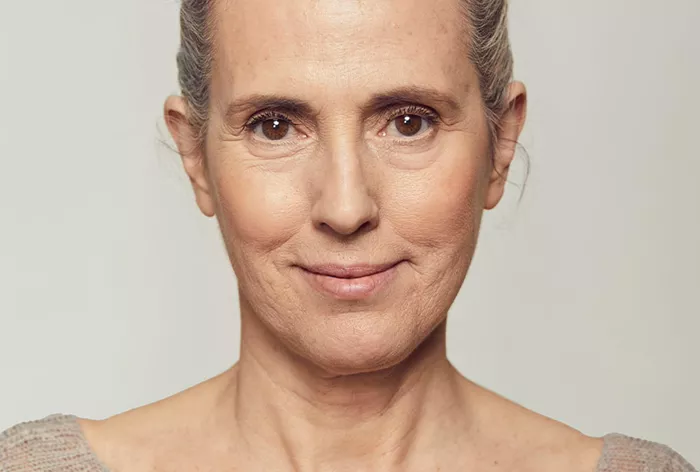
As more women experience perimenopause and menopause earlier in life, many are surprised by the rapid and visible skin changes that come with this hormonal transition.
From dryness and sensitivity to acne and accelerated wrinkles, menopause-related skin concerns are no longer just cosmetic—they are deeply tied to internal biological shifts.
According to top dermatologists and aesthetic medicine experts, these skin transformations stem from declining estrogen, which impacts collagen production, moisture retention, and skin elasticity. Fortunately, a growing field of advanced treatments and topical solutions is emerging to help women maintain radiant, healthy skin throughout midlife and beyond.
Hormones and Skin: What’s Really Happening
Experts agree that menopause-related skin changes are a result of declining hormones, not just age. “One of the most common misconceptions is that menopausal skin changes are inevitable or superficial,” says Mona Mirza, founder of Biolite Aesthetic Clinic. “But these are biologically driven, and there are highly effective ways to manage them.”
Dr. Elizabeth Makk, a functional medicine physician, explains:
“Hormonal fluctuations affect everything from skin regeneration and moisture retention to resilience against environmental stress.” During perimenopause, symptoms such as dryness, acne, and uneven tone begin to appear, while full menopause leads to more pronounced issues like thinning, sagging, and severe dryness.
Psychological and Emotional Impacts
The physical changes are often accompanied by psychological distress. Dr. Alia Ahmed, a psycho-dermatologist, emphasizes that issues like skin sensitivity and chronic dryness can cause body image concerns, social anxiety, and even hopelessness.
Top In-Clinic Treatments for Menopausal Skin
Modern cosmetic science has introduced several groundbreaking treatments:
Sunekos: A mix of amino acids and hyaluronic acid that encourages new collagen and elastin growth.
Meta Cell Technology (MCT): A high-potency PRP-like therapy that floods the skin with regenerative growth factors.
Polynucleotides (Salmon DNA): Biostimulants that enhance hydration and elasticity.
Sofwave: A device that uses sound wave energy to firm skin and reduce sagging, particularly around the jowls and eyes.
Profhilo Structura and Photo Fractional Treatments: Improve both hydration and sun-damaged skin.
The Essential At-Home Skincare Routine
In addition to in-office procedures, skincare experts advise upgrading your daily regimen with science-backed ingredients:
Hyaluronic Acid: Retains moisture and plumps the skin.
Retinoids: Help rebuild collagen and speed up skin cell turnover.
Peptides: Reinforce skin structure and elasticity.
Vitamin C: Protects against free radicals and supports brightness.
Ceramides: Strengthen the skin barrier, especially important for thinning, sensitive menopausal skin.
The Role of HRT in Skin Renewal
Hormone Replacement Therapy (HRT) is gaining renewed acceptance as a way to combat menopause symptoms, including skin aging. “When used responsibly under medical guidance, HRT can support collagen production and overall skin health,” says Mirza. However, she stresses the importance of combining it with topical or procedural skincare for best results.
Intimate Health: A Hidden Menopausal Concern
Beyond the face and body, menopause also affects intimate skin health. Dr. Galyna Selezneva notes that vaginal dryness and pain should not be ignored. She recommends radiofrequency therapy like EMFEMME 360, which increases blood flow and regenerates collagen in vaginal tissues—helping 83% of women resume pain-free sex.
Conclusion
The message from specialists is clear: menopause doesn’t have to mark a decline in skin health or self-esteem. With the right medical interventions, skincare routines, and lifestyle changes, women can navigate these changes with confidence and grace.
Related topics:
