
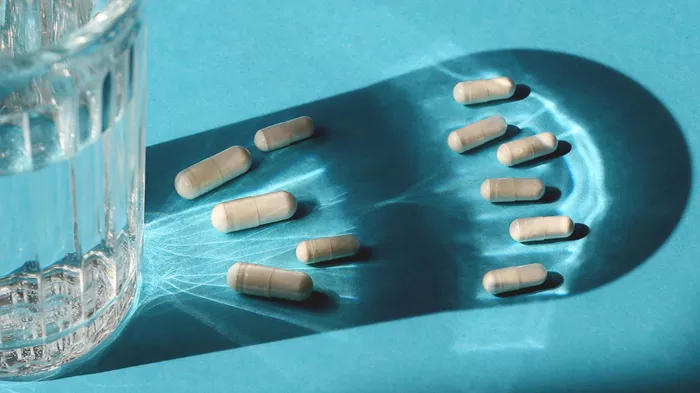
A new large-scale review out of the UK suggests that among the 64 supplements marketed for mental health support, only four—St. John’s wort, probiotics, vitamin D, and saffron—have consistent evidence of actually helping relieve symptoms of mild to moderate depression.
These findings offer cautious optimism to people seeking accessible, over-the-counter mental health aids. The supplements may work by influencing mood-regulating chemicals like serotonin and dopamine, or by reducing inflammation linked to depression.
Despite the widespread availability of supplements, most don’t have robust scientific backing. Out of 209 clinical trials reviewed, only a small number focused on products that consistently outperformed placebos.
“Supplements may support treatment in milder cases, but they are not a substitute for therapy, medication, or lifestyle changes,” said Rachael Frost, lead author of the study and a senior lecturer at Liverpool John Moores University.
Most Depression Supplements Lack Reliable Research
Although the supplements industry is worth over $150 billion, most of its claims about mental health remain scientifically unverified. In fact, 41 supplements were tested only once, and many others showed inconsistent results.
Dr. De Borrah Wright, a psychiatrist uninvolved in the study, called the findings a “helpful snapshot” that separates fact from hype. She emphasized that just because a product is on the shelf doesn’t mean it’s effective.
Top 4 Supplements With Backed Evidence:
St. John’s Wort – Derived from the Hypericum perforatum plant, it consistently outperformed placebos and, in some studies, matched the effects of prescription antidepressants.
Saffron – Sourced from the crocus flower, saffron shows early promise but needs larger trials to confirm its benefits.
Vitamin D – Especially beneficial for individuals with low levels. High doses may help, but excess can be harmful.
Probiotics – Likely benefit the gut-brain axis, an emerging area in mental health science.
Other Supplements With Limited or Inconclusive Support:
Omega-3 fatty acids: Studied in 39 trials, but most found no significant benefit over placebo.
Zinc, folic acid, lavender, rhodiola, lemon balm, and tryptophan: Showed potential in isolated or small-scale studies, but lack robust data.
Why Some Supplements Might Work
St. John’s wort and saffron appear to modulate neurotransmitters like serotonin and dopamine, which are directly involved in depression. Vitamin D receptors are found in key areas of the brain, such as the prefrontal cortex and hippocampus.
Probiotics may help through their effects on the gut microbiome, which increasingly appears to influence mood and behavior.
Are Supplements Safe to Use?
For people with mild to moderate depression, these supplements are generally low-risk when used correctly. However, some caution is necessary:
St. John’s wort can dangerously interact with birth control pills, blood thinners, and antidepressants.
The FDA doesn’t regulate most supplements, so it’s best to choose products with third-party testing seals like USP or NSF.
“It’s important to ensure the dosage matches what was used in the studies,” Frost added. Quality and consistency can vary significantly across brands.
Supplements Aren’t a Standalone Cure
While supplements may play a supportive role, experts agree they shouldn’t replace standard treatments. There’s still a lack of long-term research comparing supplements to prescription antidepressants like SSRIs.
“There’s a lot of hype on social media,” said Thea Gallagher, PsyD, a clinical psychologist at NYU. “But the science isn’t strong enough for most of what influencers are promoting.”
Gallagher recommends integrating supplements as part of a broader strategy that includes:
- Regular meals
- Consistent sleep
- 150 minutes of weekly exercise
- Therapy and/or medical supervision, if needed
She added that the placebo effect may be part of why some people feel better with supplements—but that could still be a positive motivator for improving overall self-care.
Related topics:
