
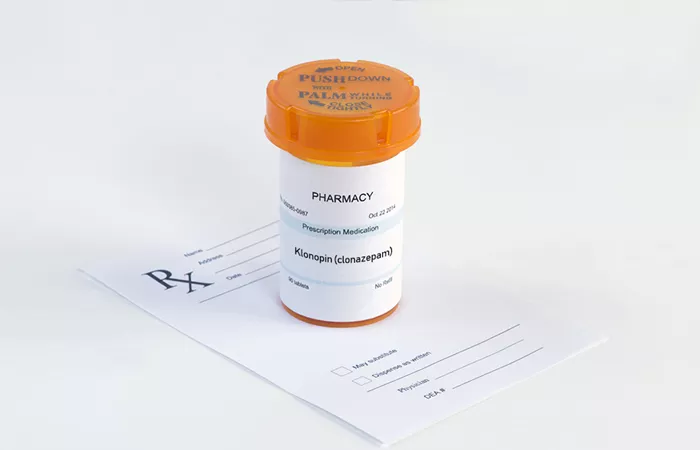
Panic attacks are sudden episodes of intense fear or discomfort that can make people feel like they’re losing control. They often come with physical symptoms like chest pain, shortness of breath, dizziness, or a racing heart. These attacks are not just stressful — they can interfere with daily life. Thankfully, modern medicine offers many options to manage and reduce panic attacks.
Anti-anxiety medications are commonly prescribed to help people regain control. In this article, we will explore the best medications available for panic attacks, explain how they work, and offer some professional advice on using them safely. Whether you’re living with panic disorder or supporting someone who is, this guide is here to help.
What Are Panic Attacks?
A panic attack is a sudden and overwhelming feeling of fear or anxiety that reaches its peak within minutes. These attacks often occur without warning and can feel terrifying. Many people mistake them for heart attacks or other serious medical problems.
Common Symptoms of a Panic Attack
- Rapid heartbeat or palpitations
- Sweating
- Shaking or trembling
- Shortness of breath
- Chest pain
- Nausea
- Dizziness or lightheadedness
- Feelings of unreality or detachment
- Fear of dying or losing control
While a panic attack usually lasts less than 30 minutes, the emotional impact can be long-lasting. Panic disorder, a mental health condition, is diagnosed when panic attacks become frequent and lead to worry about future attacks or changes in behavior.
Why Medication Can Help
Medications can reduce the severity and frequency of panic attacks. They can also help manage the anxiety that often comes with the fear of having another attack. While therapy is essential for many people, medication offers another layer of support, especially during the early stages of recovery.
Types of Anti-Anxiety Medications
There are several types of medications used to treat panic attacks. Each works in a different way. Here are the main categories:
1. Selective Serotonin Reuptake Inhibitors (SSRIs)
SSRIs are the most commonly prescribed antidepressants for panic attacks. They work by increasing serotonin levels in the brain, which helps regulate mood and reduce anxiety.
Popular SSRIs for Panic Attacks
- Fluoxetine (Prozac)
- Sertraline (Zoloft)
- Paroxetine (Paxil)
- Escitalopram (Lexapro)
- Citalopram (Celexa)
Pros
- Effective for long-term treatment
- Non-addictive
- Improves overall mood and anxiety symptoms
Cons
- May take 4-6 weeks to show effects
- Possible side effects like nausea, insomnia, or sexual dysfunction
2. Serotonin-Norepinephrine Reuptake Inhibitors (SNRIs)
SNRIs are similar to SSRIs but also affect norepinephrine, another brain chemical involved in mood and alertness.
Popular SNRIs for Panic Attacks
- Venlafaxine (Effexor XR)
- Duloxetine (Cymbalta)
Pros
- Helpful for people who don’t respond well to SSRIs
- Can also treat chronic pain and fatigue
Cons
- May cause higher blood pressure
- Withdrawal symptoms if stopped suddenly
3. Benzodiazepines
Benzodiazepines are fast-acting medications that help calm the nervous system. They are often used during a panic attack or in short-term situations.
Popular Benzodiazepines for Panic Attacks
- Alprazolam (Xanax)
- Clonazepam (Klonopin)
- Diazepam (Valium)
- Lorazepam (Ativan)
Pros
- Works quickly, often within 30 minutes
- Very effective for acute anxiety or panic episodes
Cons
- Risk of dependence and withdrawal
- Should not be used long-term
- Can cause drowsiness or impaired memory
4. Tricyclic Antidepressants (TCAs)
TCAs are older antidepressants that can also help reduce panic attacks. They work on several brain chemicals, including serotonin and norepinephrine.
Popular TCAs for Panic Attacks
- Imipramine (Tofranil)
- Clomipramine (Anafranil)
Pros
- Effective for panic disorder
- Less commonly prescribed, so may be an option if others fail
Cons
- More side effects than SSRIs
- May affect heart rhythm or cause dry mouth, constipation
5. Beta Blockers
Beta blockers are mainly used for heart conditions but can also reduce physical symptoms of anxiety, like a racing heart or trembling hands.
Common Beta Blockers
- Propranolol (Inderal)
Pros
- Helpful for physical symptoms of panic
- Can be taken as needed before stressful events
Cons
- Does not treat emotional symptoms of anxiety
- May lower blood pressure too much in some people
How to Choose the Right Medication
There’s no one-size-fits-all medication for panic attacks. What works for one person might not work for another. Here are a few things to consider:
- Severity of your symptoms
- Other health conditions you may have
- Possible side effects
- Past experiences with medications
- Whether you need fast or long-term relief
It’s important to work closely with a mental health professional. They will help you find the best medication and adjust the dose if needed.
Tips for Using Anti-Anxiety Medications Safely
1. Start Low and Go Slow
Most medications start at a low dose. Your doctor may increase the dose slowly to avoid side effects. Be patient — some drugs take weeks to show full effects.
2. Stick to the Schedule
Take your medication at the same time every day. Consistency helps your body adjust and improves results.
3. Don’t Stop Suddenly
Always talk to your doctor before stopping a medication. Suddenly stopping can cause withdrawal symptoms or return of anxiety.
4. Avoid Alcohol and Recreational Drugs
Combining alcohol or other substances with anxiety medication can be dangerous. It may reduce the effectiveness of the medicine or cause harmful interactions.
5. Monitor Side Effects
Write down any side effects you notice. Share this information with your doctor. Some side effects go away over time, but others may require changing the medication.
Combining Medication With Therapy
Medication alone can be helpful, but combining it with therapy often provides the best results. Cognitive Behavioral Therapy (CBT) is especially effective for panic disorder. It helps you identify negative thought patterns and replace them with healthier ones.
Lifestyle Changes to Support Your Treatment
Medication works better when combined with healthy habits. Here are some strategies that can help:
- Exercise regularly: Physical activity reduces anxiety and boosts mood.
- Practice relaxation: Try deep breathing, meditation, or yoga.
- Eat balanced meals: Avoid caffeine, sugar, and processed foods.
- Get enough sleep: Rest is essential for mental health.
- Build support: Stay connected to family, friends, or a therapist.
When to Seek Immediate Help
If you feel overwhelmed or think your medication is not working, seek help. You should contact your doctor if:
- You feel more anxious after starting the medication
- You have suicidal thoughts
- You experience serious side effects
- Your panic attacks become more frequent or severe
In emergencies, do not wait. Call a crisis line or go to the nearest hospital.
Conclusion
Living with panic attacks can be difficult, but effective treatment is available. Anti-anxiety medications can reduce symptoms, prevent future attacks, and improve your quality of life. The key is to work closely with your healthcare provider to find the best plan for you. Remember, healing takes time — but with the right tools, you can feel better and regain control.
Frequently Asked Questions (FAQs)
Are anti-anxiety medications addictive?
Some medications, like benzodiazepines, can be addictive if used long-term or not as directed. SSRIs and SNRIs are not considered addictive.
Can I take medication only when I feel a panic attack coming?
Benzodiazepines or beta blockers can be used as needed, but most medications work best when taken consistently. Your doctor will guide you based on your needs.
Do I need medication forever?
Not always. Many people use medication temporarily to gain control. Therapy and lifestyle changes may help reduce the need for long-term medication.
Related topics:
