
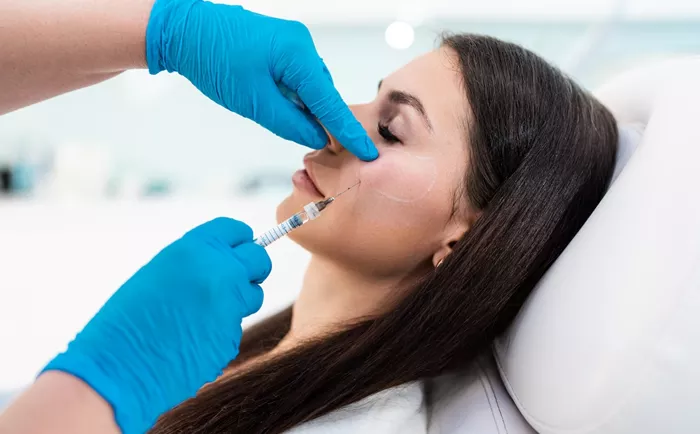
A growing number of women are experiencing serious complications after undergoing non-surgical cosmetic treatments, according to an investigation by ITV’s This Morning. The survey found that 50% of women who received aesthetic procedures required medical attention afterward, with 15% needing hospital or emergency care.
The findings have raised urgent concerns about the booming but underregulated aesthetics industry, especially treatments conducted outside clinical environments.
Beauty Procedures in Kitchens and Living Rooms
The investigation revealed that many procedures were carried out in informal settings, including living rooms and kitchens, often by unqualified practitioners. These non-clinical environments can increase the risk of complications, particularly when injectable treatments like fillers or anti-wrinkle products are involved.
Dr. Zoe Williams, a GP and contributor to This Morning, voiced alarm at the results. “I understand the appeal of cosmetic procedures, especially when they’re affordable, but low-cost treatments can come at a high personal cost,” she warned. “You must make sure the practitioner is qualified and that injectable products are prescribed by a medical professional.”
First-Hand Stories Reveal Harrowing Experiences
The episode features interviews with women whose cosmetic treatments led to serious health issues. One woman, Lynsey Wanless, recounted undergoing anti-wrinkle injections at someone’s home. “I didn’t think anything of it,” she said. “Nine days later I was in the hospital, struggling to breathe. It felt like my body was shutting down. This experience has ruined my life.”
Presenter Ashley James also shared her past experience with aesthetic procedures. “There’s so much secrecy around these treatments,” she said. “I’d never asked if the practitioner was medically trained or if the products were UK-approved. I just assumed they were. Looking back, that’s terrifying.”
Experts Call for Government Oversight
The show also highlighted insights from Save Face, a Government-approved register of certified aesthetic practitioners. Director Ashton Collins warned that low-cost treatments often involve unlicensed products and that laws are not being properly enforced.
“Over the last five years, we’ve seen a sharp increase in complications linked to illegal or unregulated products,” said Collins. “We urgently need a dedicated government task force to enforce current regulations and to ban high-risk procedures from unregulated settings like the high street.”
Public Health Risks in a Fast-Growing Industry
The UK’s aesthetics market has grown rapidly, driven by increasing demand for procedures like Botox and dermal fillers. Yet safety concerns remain largely unaddressed due to the lack of strict regulation and enforcement.
This Morning’s investigation aims to raise public awareness and encourage consumers—particularly women—to research thoroughly and demand transparency from cosmetic providers.
“Knowing who is treating you and what they’re using isn’t just a formality,” said Dr. Williams. “It’s a necessity for your health and safety.”
Related topics:
