
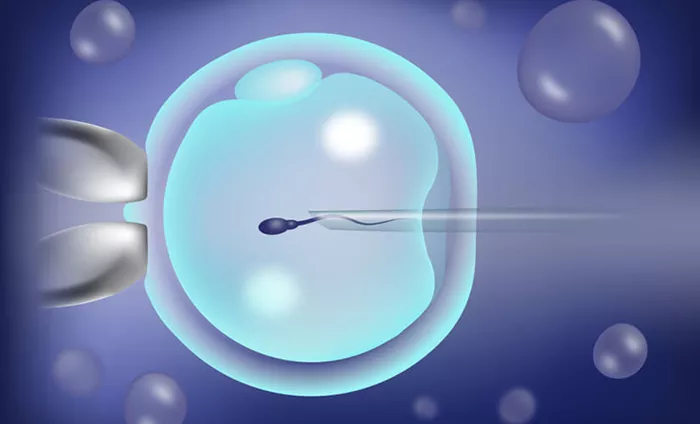
For many couples trying to conceive, male infertility can feel like a dead end. But the reality is much more hopeful. In vitro fertilization (IVF) has made it possible for many men facing fertility challenges to still become biological fathers. So yes — you can have IVF if the man is infertile. The key lies in understanding the underlying causes, exploring the right medical options, and working with the right specialists. Let’s break it down.
What Does “Male Infertility” Really Mean?
Male infertility doesn’t mean there’s zero chance of fatherhood. It simply means the sperm’s ability to fertilize an egg is impaired. That could involve:
- Low sperm count
- Poor sperm motility (movement)
- Abnormal sperm shape
- No sperm at all (azoospermia)
- Obstruction or blockages in the reproductive tract
Each of these conditions has different implications for IVF, and there are medical techniques that can often help retrieve or work around these issues.
IVF Options When the Male Partner Is Infertile
1. Intracytoplasmic Sperm Injection (ICSI)
This is one of the most game-changing techniques in male infertility treatment. With ICSI, just one healthy sperm is injected directly into an egg. This is particularly helpful for men with very low sperm counts or poor motility.
2. Surgical Sperm Retrieval
For men with no sperm in their ejaculate (azoospermia), sperm can often be retrieved directly from the testicles using procedures like:
- TESA (Testicular Sperm Aspiration)
- TESE (Testicular Sperm Extraction)
- Micro-TESE (Microsurgical TESE for very low sperm production)
Once retrieved, these sperm can be used in ICSI during IVF.
3. Donor Sperm (When Necessary)
If no viable sperm can be retrieved, some couples may choose to use donor sperm. This is a deeply personal decision, and many fertility clinics offer counseling to help couples navigate this path with confidence and care.
How IVF Works With Male Infertility
Here’s a simplified IVF process when male infertility is involved:
- The female partner undergoes ovarian stimulation to produce multiple eggs.
- Sperm is collected (either through ejaculation or surgical retrieval).
- ICSI is often used to fertilize each egg with a single sperm.
- The embryos are cultured for a few days in the lab.
- One or more embryos are transferred into the uterus.
Success depends on many factors — including age, egg and sperm quality, and overall health — but IVF has allowed countless couples to build their families even when sperm issues exist.
What About Genetic Issues in Male Infertility?
Some forms of male infertility, such as non-obstructive azoospermia, may have a genetic cause. In these cases, doctors often recommend genetic testing before proceeding with IVF to reduce the risk of passing on inherited conditions. Preimplantation Genetic Testing (PGT) during IVF can help screen embryos for chromosomal or genetic abnormalities before implantation.
Emotional and Relationship Aspects
Facing infertility can be emotionally draining, especially for men who often feel pressure to remain “strong” and quiet. But infertility is a shared journey. Emotional support, therapy, and honest conversations between partners can ease the stress. Many men find that taking action — through medical appointments, sperm analysis, and treatment planning — helps restore a sense of control and hope.
How to Get Started
If you’re wondering whether IVF is possible due to male infertility, here’s what to do next:
- See a urologist or reproductive endocrinologist for a sperm analysis.
- Discuss your specific diagnosis and what options are available — ICSI, surgical retrieval, or donor sperm.
- Explore fertility clinics experienced in treating male-factor infertility.
- Don’t delay. Age and timing play a role in both partners’ fertility.
Conclusion
Male infertility can be disheartening, but it doesn’t have to be the end of your parenthood journey. With IVF, ICSI, and modern sperm retrieval techniques, most couples still have a strong chance of conceiving. You’re not alone — and more importantly, you’re not out of options.
High-Profile FAQs
Q1: Can IVF work if the man has zero sperm?
A: Yes, in some cases. If sperm isn’t found in the ejaculate, it may still be retrieved surgically from the testicles using techniques like TESE or Micro-TESE. If no sperm can be found at all, donor sperm remains an option.
Q2: Is ICSI always used when male infertility is involved?
A: Most of the time, yes. ICSI gives the best chance of fertilization when sperm count, shape, or motility are abnormal. It’s become a standard part of IVF for male-factor infertility cases.
Q3: Can lifestyle changes improve male fertility before IVF?
A: Absolutely. Improving sleep, reducing stress, eating a balanced diet, exercising, quitting smoking, and limiting alcohol can all help improve sperm quality. Supplements like zinc, folic acid, and CoQ10 may also support fertility.
READ MORE
