
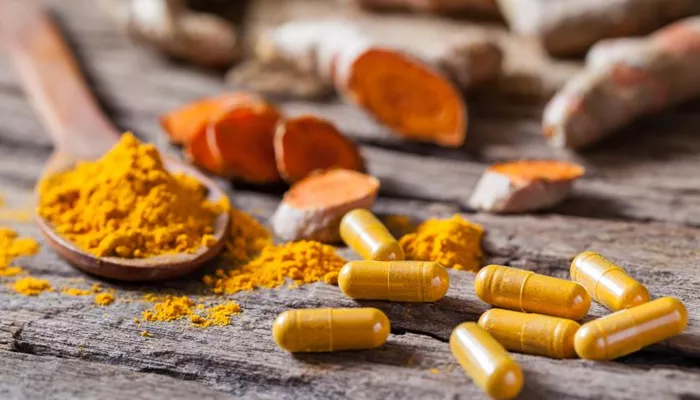
A 57-year-old woman was hospitalized for nearly a week after taking large doses of turmeric supplements she saw promoted online. Doctors say her case highlights the growing dangers of unregulated herbal products.
Katie Mohan, from New York, began taking 2,250 mg of turmeric daily after seeing an Instagram doctor praise its anti-inflammatory benefits. But that amount is more than ten times the World Health Organization’s recommended safe dose—roughly 204 mg per day for someone of her size.
Within weeks, Mohan started experiencing troubling symptoms like fatigue, stomach pain, nausea, and dark-colored urine. “I just did not feel well generally,” she told NBC News.
After seeing a news story about turmeric-related health risks, she realized the supplement might be the cause and visited urgent care. Blood tests revealed her liver enzymes were 60 times above the normal limit. She was admitted to a hospital and later transferred to NYU Langone Medical Center. Dr. Nikolaos Pyrsopoulos, a liver specialist, said she was “one step before full liver damage” and close to needing a transplant.
Turmeric’s Rare but Serious Risks
Turmeric is widely used in cooking and usually considered safe when consumed in food. However, large doses in supplement form have led to a growing number of liver injury reports in the U.S. According to experts, turmeric is now the leading herbal cause of liver problems in the country.
The exact reason turmeric can damage the liver remains unclear. Many supplements now include black pepper extract, or piperine, which boosts curcumin absorption—the key compound in turmeric—by up to 20 times. This sharp increase in bioavailability may overwhelm the liver in some people.
Some studies also suggest that curcumin can trigger abnormal immune reactions, causing the body’s own immune cells to attack the liver. Symptoms typically include fatigue, nausea, reduced appetite, dark urine, and sometimes jaundice.
The good news is that most patients recover after stopping turmeric. Mohan’s doctor confirmed that her liver is improving. “The liver is a forgiving organ,” he said.
Still, the experience has left Mohan shaken. “I’ll never put another supplement in my body again,” she said.
Little Oversight, Big Risks
Her case points to a wider issue: the supplement industry in the U.S. is poorly regulated. Products don’t need approval from the Food and Drug Administration, and many health claims are based on low-quality or limited research. Despite this, the industry is worth billions.
Health experts warn that high doses of supplements, even natural ones like turmeric or calcium, can be dangerous. They advise people to consult doctors before starting any supplement routine.
Mohan’s story serves as a cautionary tale in an era when social media often replaces medical advice.
READ MORE
