
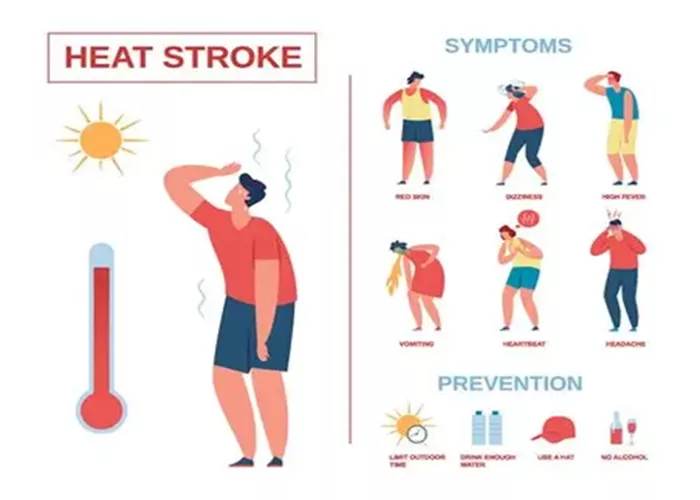
Dizziness, weakness, or fatigue under the scorching sun—this may not be ordinary heat exhaustion, but a warning sign of “heat stroke” (stroke triggered by high temperatures).
What is “heat stroke”?
“Stroke” refers to cerebrovascular accidents. “Heat stroke” occurs when such incidents happen in extreme heat (temperatures over 32°C). Studies show extreme heat, like extreme cold, raises cerebrovascular disease risks, with most cases being ischemic strokes.
It arises from blood thickening, vascular dysfunction, and blood pressure fluctuations: excessive sweating in heat, if not replenished, reduces blood volume and increases clotting risks. Heat-induced irritability can also spike blood pressure. Frequent shifts between air-conditioned rooms and hot outdoors, or cold winds blowing directly on the head, cause rapid vascular constriction/dilation—especially dangerous for seniors with poor vascular elasticity, triggering spasms.
How is it different from heat exhaustion?
Heat stroke: A type of stroke, marked by sudden localized neurological deficits—such as one-sided paralysis/numbness, slurred speech, facial drooping, or unsteady gait. Body temperature may not rise drastically.
Heat exhaustion: Starts with flushing and dizziness, progresses to high fever (with little or no sweat), and may lead to coma—but no one-sided symptoms.
Key differences: Check for localized neurological issues (e.g., paralysis) and abnormal fever. Never dismiss dizziness or one-sided weakness as heat exhaustion in hot weather—it could delay critical treatment. “Time is the brain”: Each minute of delay may kill 1.9 million neurons.
Who’s at risk?
- Those with hypertension, diabetes, or hyperlipidemia (prone to narrowed blood vessels).
- People over 65 (poor temperature regulation and dehydration awareness).
- Those outdoors for long in direct sun, or seniors avoiding fans/AC in heat (risking dehydration).
- Those overusing AC with large indoor-outdoor temperature gaps (causing vascular instability).
- People with bad habits: smoking, heavy drinking, inactivity, or unhealthy diets.
What to do?
Use the “FAST” checklist:
Face: Smile; check for lopsidedness.
Arm: Raise both arms for 10 seconds; watch for one drooping.
Speech: Repeat a phrase (e.g., “Eating grapes without spitting skins”); listen for slurring.
Time: If any symptom appears, call emergency services immediately, noting the onset time.
The golden window for treatment is 4.5–6 hours post-onset, with thrombolysis or thrombectomy reducing disability by 40%. While waiting, keep the patient calm, avoid food/water (to prevent choking), and don’t move them. If vomiting, turn their head to the side to avoid aspiration. Never give unprescribed meds. Prompt treatment is key to reducing death and disability rates.
Related topics:
Many Older Men Avoid Discussing Urinary Incontinence With Doctors
