
A new study from the University of Colorado Anschutz Medical Campus highlights how people with Polycystic Ovary Syndrome (PCOS) often feel overlooked and misunderstood by healthcare professionals.
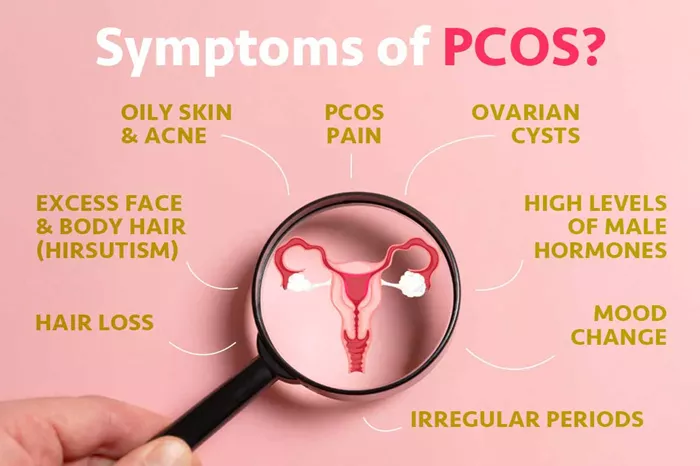
PCOS is a common hormone condition affecting up to 1 in 10 individuals with ovaries. It can lead to irregular periods, acne, weight gain, unwanted hair growth, and fertility problems. More seriously, it is also linked to long-term health risks like diabetes, heart disease, and mental health issues.
Despite these challenges, many patients report feeling dismissed when they first seek help—especially during their teenage years. Researchers conducted virtual focus groups with 24 people and found that most participants waited years for a diagnosis. During that time, many felt blamed for their symptoms and emotionally unsupported.
Dr. Kathryn McKenney, co-director of the PCOS Multi-Disciplinary Program, explained, “Patients often told us their concerns—such as acne, missed periods, or anxiety—were not taken seriously. That delay in care caused frustration and isolation.”
Another lead researcher, Dr. Phoutdavone “Noy” Phimphasone-Brady, noted that doctors frequently focused only on fertility and weight loss, ignoring the emotional and daily struggles patients faced. For example, one teen said her doctor only discussed future fertility, while her real concern at the time was severe anxiety and skin issues.
Due to limited guidance, many participants said they turned to social media or online sources to learn more about PCOS. Some had to advocate for themselves, requesting tests and bringing research to appointments to be taken seriously.
“This kind of self-education can lead to stress and misinformation,” said Dr. Phimphasone-Brady. “It highlights the need for trustworthy, patient-centered healthcare.”
The researchers are urging providers to listen more closely to patient experiences and offer care that addresses both physical symptoms and emotional health. Their work is part of a larger effort to improve PCOS care through collaboration between the Departments of Obstetrics and Gynecology and Psychiatry.
“Treating PCOS is not just about fertility or weight—it’s about seeing the whole person,” said McKenney. “Real progress starts with listening.”
Read more:
New Study Links PCOS to Inherited Epigenetic Changes in Embryos
Understanding PCOS: Signs, Treatments, and New Hope for Women
How PCOS Affects Weight — And 5 Doctor-Approved Ways to Take Control
