
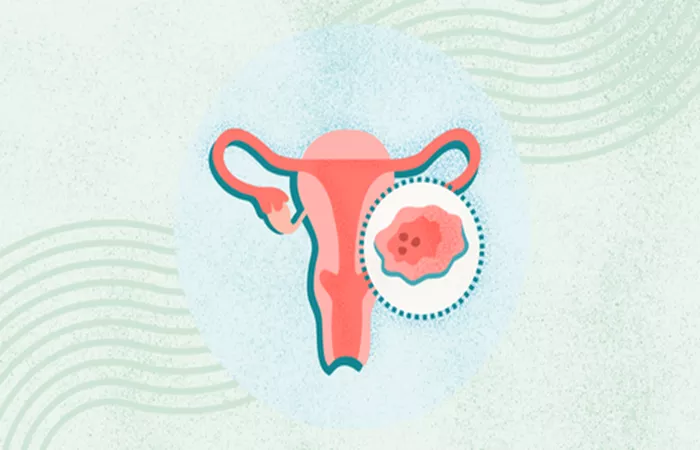
A major new study forecasts a sharp increase in uterine cancer cases and deaths in the United States by 2050, raising serious public health concerns—particularly for Black women, who are projected to experience nearly triple the mortality rate of white women.
Researchers warn that obesity, delayed diagnoses, and limited access to care may fuel this growing crisis.
1. Uterine Cancer Incidence and Deaths Are Rising Fast
Unlike most cancers that are becoming less deadly, uterine cancer is on an upward trajectory. Between 2013 and 2022, cases increased by 0.7% per year, while deaths rose by 1.6% annually from 2014 to 2023. These rates are expected to accelerate even further over the next three decades.
Using data from the National Cancer Institute’s Surveillance, Epidemiology, and End Results (SEER) Program, Dr. Wright’s team built the Columbia University Uterine Cancer Model (UTMO) to predict future trends. Their projections are alarming:
White women: Mortality rate will rise from 6.1 to 11.2 per 100,000
Black women: Mortality rate will climb from 14.1 to 27.9 per 100,000
This means Black women could face nearly three times the risk of death from uterine cancer compared to white women by 2050.
2. Black Women Face a Higher Burden of Disease
The study highlights significant racial disparities in health outcomes. Black women are more likely to:
- Be diagnosed with aggressive, non-endometrioid tumors
- Be diagnosed at a later stage
- Experience delays in treatment
From 2018 to 2050, incidence of non-endometrioid tumors is expected to rise:
- Black women: 22.5 → 36.3 per 100,000
- White women: 8.5 → 10.8 per 100,000
These types of tumors tend to have worse prognoses, further increasing the mortality gap between racial groups.
3. Obesity and Hysterectomy Trends Are Key Drivers
The rising rates of obesity—an established risk factor for uterine cancer—are also driving the increase in cases. Meanwhile, hysterectomy rates (which lower uterine cancer risk) are projected to fall by 25.7% between 2020 and 2035 due to increased reliance on non-surgical treatments.
If these trends continue:
Incidence and mortality will rise more sharply
Black women will face even greater risks, particularly if access to new obesity treatments like GLP-1 medications remains unequal
4. Prevention and Early Detection Could Save Lives
Currently, there is no standard screening test for uterine cancer. However, the researchers ran “stress tests” on their model by introducing hypothetical screening methods.
Screening at age 55 showed potential to reduce incidence for up to 15–16 years
Early detection could dramatically reduce disease burden, especially for high-risk populations
Dr. Wright emphasizes the urgent need for innovations in prevention:
“If there was an effective screening test, we may be able to substantially reduce the burden of disease.”
5. Limitations of the Study
Though the projections are concerning, the study does have limitations:
Based only on population-level data from Black and white women
Risk factors may be outdated or incomplete
Uterine sarcomas and some rare subtypes were not included
Still, the findings offer a credible and validated outlook, serving as a wake-up call for public health planners and clinicians.
6. Public Health Implications
This study underscores the urgent need for:
Targeted outreach and earlier diagnosis in Black communities
Expanded access to obesity treatment and gynecologic care
Investment in screening technologies for uterine cancer
Continued funding to close racial health gaps in cancer outcomes
As Dr. Wright and colleagues continue refining their models, their work offers a critical opportunity to steer public health policy and clinical strategy—before the projected rise in deaths becomes reality.
Related topics:
