
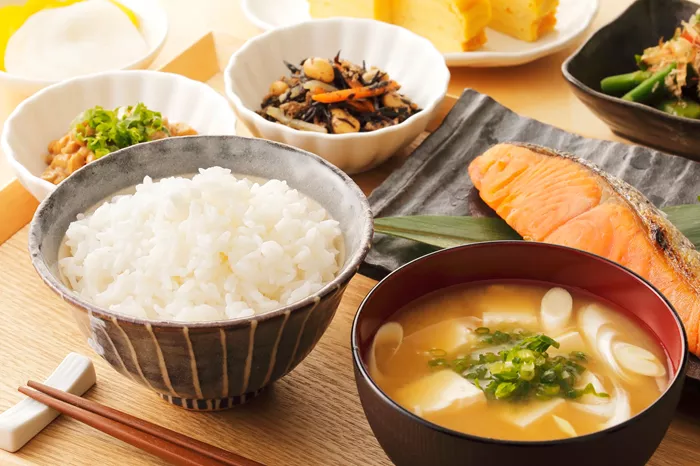
A new Japanese study suggests that the traditional washoku diet—rich in vegetables, fish, and soy products—could help lower the risk of depression, providing a potential path toward healthier living and better mental well-being.
A large-scale study conducted by researchers from the Japan Institute for Health Security has found that individuals who follow a traditional Japanese dietary pattern may be significantly less likely to suffer from depression. The findings were recently published in the peer-reviewed journal Psychiatry and Clinical Neurosciences.
Large-Scale Survey Connects Diet to Mood
Between 2018 and 2021, researchers surveyed approximately 12,500 employees from five major Japanese companies. Most participants were men, with an average age of 42.5 years. Of those surveyed, nearly 31% reported symptoms associated with depression, such as feeling despondent or emotionally drained.
Participants were asked how often they consumed specific foods and beverages during the previous week. Using this information, researchers developed a scoring system from 0 to 9 to assess adherence to the traditional Japanese diet, known as washoku. This diet typically includes white rice, fish, miso soup, soy-based foods, cooked vegetables, salty foods, mushrooms, seaweed, and green tea.
A second dietary scale, ranging from 0 to 11, incorporated additional items known to support mental health, such as fruits, raw vegetables, dairy products, and less refined rice. Extra points were awarded to participants who limited their intake of salty foods to less than once per week.
Healthier Diet, Healthier Mind
The results revealed a clear trend: individuals who closely followed the washoku diet were 17% to 20% less likely to report depressive symptoms compared to those who followed it the least. The more closely participants adhered to either the traditional or modified Japanese diet, the less likely they were to experience depression.
While diet alone does not account for all mental health outcomes, the researchers accounted for other influential factors such as age, gender, marital status, education, job role, exercise habits, alcohol and tobacco use, sleep patterns, and body weight. Adjusting for these variables helped isolate the potential effects of dietary patterns on depression.
Why Washoku May Boost Mental Well-Being
The researchers pointed to several potential reasons why the washoku diet may protect against depression. Many of the foods common in Japanese cuisine—such as seaweed, soy, and green vegetables—are rich in folate, a nutrient that supports the production of brain chemicals like serotonin and dopamine, both crucial for mood regulation.
Additionally, antioxidant-rich foods such as green tea, colorful vegetables, natto (fermented soybeans), and miso may help reduce oxidative stress on the brain, which is associated with depressive symptoms. Some researchers even suggest that umami, a signature savory flavor in Japanese cooking, may activate the parasympathetic nervous system, promoting a state of relaxation and emotional balance.
An Encouraging Step Toward Preventative Mental Healthcare
Although further studies are needed to determine whether the relationship between diet and mental health is causal, researchers are optimistic about the implications.
“The findings are very encouraging,” said Haruka Miyake, one of the lead researchers involved in the study. “They support our hypothesis that the traditional Japanese diet contributes to better mental health. We hope that encouraging healthy eating habits rooted in Japanese food culture can become a new strategy in public health to support mental well-being.”
The study highlights how dietary choices may play a more significant role in emotional resilience than previously recognized. As Japan and other nations grapple with rising rates of depression and anxiety, dietary interventions based on cultural traditions may offer a meaningful and accessible form of prevention.
Related topics:
