
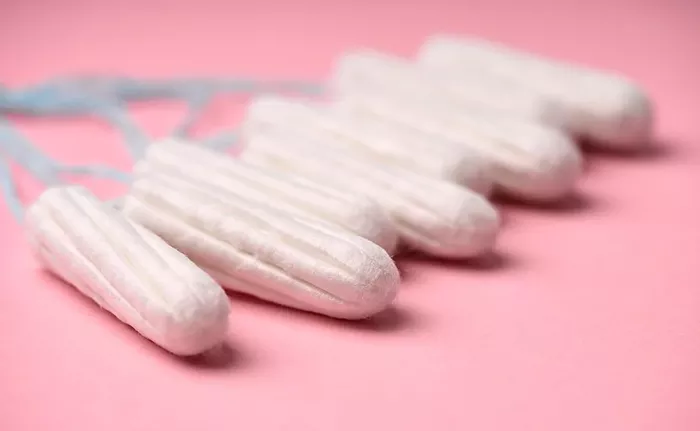
A recent UK report has revealed alarming levels of glyphosate, a pesticide classified by the World Health Organization as a probable human carcinogen, in popular tampon brands. The pesticide was found at concentrations 40 times higher than the legal limit for drinking water in the UK, raising serious concerns about women’s health and product safety.
Key Findings and Health Implications
Researchers from Pesticide Action Network UK (PAN UK), Women’s Environmental Network, and the Pesticide Collaboration tested 15 boxes of tampons purchased from UK retailers. They detected glyphosate residues, likely due to pesticide use in cotton farming, as cotton is a primary ingredient in tampons. The pesticide residue level found was 0.004 mg/kg, far exceeding the UK and EU maximum residue level for drinking water of 0.0001 mg/kg.
Because tampons are inserted vaginally, chemicals can bypass the body’s waste removal systems and enter the bloodstream directly. Pharmaceutical research indicates that absorption through vaginal tissue can be 10 to 80 times higher than through skin exposure. This direct exposure increases the risk of chronic health conditions linked to glyphosate and its breakdown product AMPA, including cancer and Parkinson’s disease.
Lack of Regulation and Transparency
Currently, the UK has no regulations specifically governing chemical residues in period products. This regulatory gap means consumers are often unaware of the chemical contaminants they may be exposed to monthly. Advocacy groups argue that period products should be regulated similarly to cosmetics in the European Union, with mandatory independent testing, transparent labeling, and stronger safety standards.
Helen Lynn, Senior Consultant at Women’s Environmental Network, emphasizes that menstrual products are a human rights and public health issue. She advocates for legislation to ensure access to sustainable, additive-free, and certified organic period products, alongside improved menstrual education and product transparency.
Practical Advice for Consumers
To reduce exposure to harmful chemicals in period products, experts recommend choosing certified organic tampons and pads, which are less likely to contain pesticide residues. The Soil Association website offers guidance on certified organic options. Additionally, switching from single-use disposable products to sustainable alternatives like menstrual cups or period underwear can minimize chemical exposure and environmental impact.
Calls for Government Action
The report urges the government to address this public health concern by banning harmful pesticides in period products and ensuring all products undergo rigorous safety testing. Josie Cohen, Interim Director of PAN UK, stresses the urgent need to reduce toxic chemical exposure from everyday products, including tampons, to protect women’s health.
