
Volvo Trucks North America is experiencing a surge in demand for its new fuel-efficient models, despite a slow freight market. The company attributes this growth to rising diesel prices and the need for fleets to replace aging trucks. Diesel fuel costs have reached unprecedented levels, averaging $5.38 per gallon nationally and soaring to $7.69 in parts of California. This has created strong financial incentives for fleet operators to invest in vehicles that offer better fuel economy.
Volvo’s latest models, the VNL and VNR trucks, deliver a 10% improvement in fuel efficiency compared to previous generations. This enhancement can translate into significant savings for carriers. For example, at current national diesel prices, a single truck can save about $7,800 annually on fuel costs. In regions like California with higher prices, savings could exceed $10,000 per year per truck. These savings are crucial given that many fleets operate on thin profit margins of around 3%, which can improve to over 4% with the new trucks’ efficiency gains.
The surge in orders is also driven by an urgent need to replace older trucks. The average age of tractors currently in use has risen to approximately 6.5 to 7 years, which is historically high outside recession periods. Older trucks require more maintenance and parts, increasing operational costs and downtime for fleet owners. Volvo executives note that this situation has reached a tipping point where it is more cost-effective for companies to invest in new trucks than to continue maintaining aging fleets.
In addition to addressing cost concerns, Volvo is preparing for stricter environmental regulations set to take effect in 2027 under the EPA’s new emissions standards. Many fleets are placing orders now to avoid higher prices and compliance challenges expected once the rules are fully implemented. Volvo assures customers that its trucks will meet the upcoming NOx limits and durability requirements, giving fleets confidence in their investment.
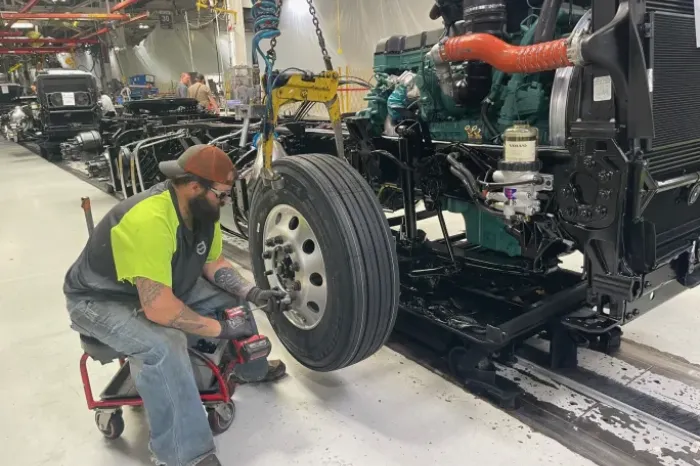
To support growing demand, Volvo is expanding its manufacturing capacity with a $700 million plant under construction in Monterrey, Mexico, complementing its main New River Valley facility in Virginia. The New River Valley plant will continue to handle the majority of production while the new facility provides flexibility to meet market fluctuations.
Volvo’s dealer network is also investing heavily, with nearly $1 billion dedicated to expanding service infrastructure and supporting electric vehicle capabilities. Beyond hardware improvements, Volvo offers connected services that allow fleets to monitor fuel consumption, idle time, and vehicle utilization in real time. Over-the-air software updates reduce downtime by minimizing the need for physical shop visits.
Despite a slow start in 2026 with low truck registrations and weak freight conditions, Volvo expects stronger market activity later in the year as fleets respond to economic pressures and regulatory deadlines. Company leaders express cautious optimism that these factors will drive a robust second half of the year.
Overall, Volvo’s strategy focuses on delivering total value through advanced fuel efficiency, regulatory readiness, manufacturing expansion, and comprehensive customer support. This approach aims to increase its North American market share from around 10-11% to approximately 15% within five years.
