
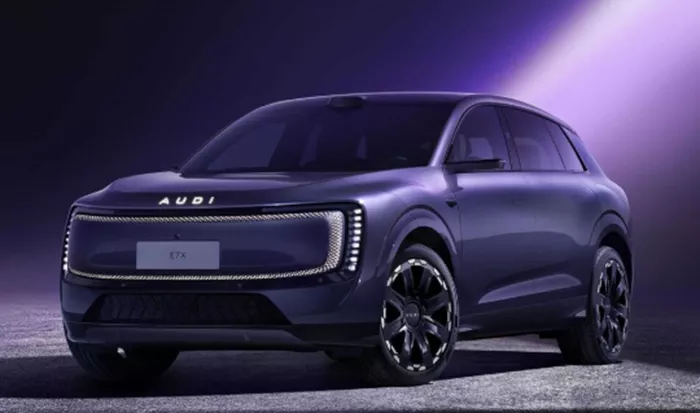
Audi is preparing to introduce a new electric SUV, expected to be named the E7X, as part of a broader effort to strengthen its position in China’s fast-growing electric vehicle market. The model is being developed under a China-focused sub-brand created through a partnership with SAIC Motor. This initiative reflects a clear shift toward building vehicles specifically for local consumers rather than relying on global designs.
The E7X is scheduled to debut in 2026 and will be built on a dedicated platform jointly developed with SAIC. This approach supports a wider strategy often described as “in China, for China,” which aims to help the company regain market share in the world’s largest EV market. The new SUV will focus heavily on digital technology, faster development timelines, and features tailored to Chinese buyers.
The vehicle is part of a larger product rollout that includes several electric models designed exclusively for China. Built on an advanced digitized platform, the E7X is expected to offer both fully electric and range-extended versions. These options are intended to provide competitive driving range and performance, allowing the model to compete more effectively with leading domestic brands.
This collaboration also allows for shorter development cycles. By working closely with a local partner, Audi can respond more quickly to market trends and consumer demands. Key areas of focus include in-car connectivity, intelligent driving systems, and user-friendly digital interfaces, which are increasingly important to buyers in China.
The E7X project highlights a broader transformation within the Volkswagen Group. The company is moving away from a global one-size-fits-all approach and instead focusing on localized innovation. By using SAIC’s manufacturing capabilities and market knowledge, Audi aims to improve efficiency and deliver products that better match local expectations.
Competition in China’s EV sector has intensified in recent years. Domestic brands have gained strong momentum due to rapid innovation and cost advantages. In response, Audi is adapting its strategy to remain competitive and relevant in this evolving market landscape.
The partnership with SAIC also brings practical advantages. Local production helps reduce costs and improve supply chain efficiency. It also allows for faster delivery times and more flexibility in responding to demand changes.
Overall, the upcoming E7X electric SUV represents more than just a new model. It signals a strategic shift toward deeper localization, faster innovation, and stronger collaboration. This approach is expected to play a key role in Audi’s efforts to compete more effectively in China’s highly competitive electric vehicle market.
