
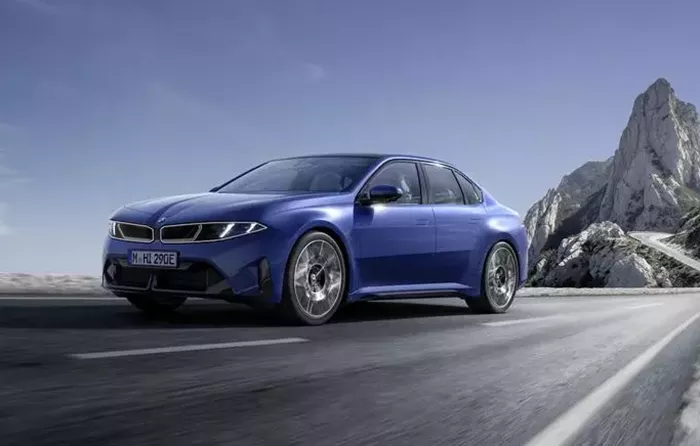
The BMW has unveiled the new i3, a fully electric sedan positioned as a parallel offering to its long-standing 3 Series lineup. The model reflects the brand’s transition toward electrification while maintaining the core identity that has defined its flagship sedan for decades. With this move, the company aims to balance tradition with innovation in a rapidly evolving automotive market.
The i3 adopts the brand’s latest Neue Klasse design language, marking it as one of the first vehicles to showcase this new visual direction. The exterior retains signature elements such as the twin front grilles and sharp lighting design, while introducing cleaner lines and a more modern silhouette. Measuring 4.76 meters in length, the sedan follows a classic three-box layout, combining a sporty stance with a refined appearance.
Inside, the cabin emphasizes technology and usability. A large 17.9-inch touchscreen dominates the dashboard, paired with a multifunction steering wheel that incorporates illuminated Shy Tech controls. These controls light up depending on available functions, improving user interaction. An optional head-up display further enhances the driving experience by projecting key information directly onto the windshield, reducing driver distraction.
BMW has confirmed that the electric i3 will be sold alongside existing 3 Series models powered by combustion engines and plug-in hybrid systems. This dual strategy allows the company to address varying levels of consumer readiness for electric vehicles, particularly in Europe, where demand for fully electric sports sedans is still developing.
The first version to enter the market will be the i3 50 xDrive. It features a dual-motor setup, delivering a combined output of 469 horsepower and 645 Nm of torque. The system is supported by an 800-volt architecture, enabling faster charging speeds compared to previous platforms. This setup is designed to improve both performance and efficiency, while supporting a driving range of up to 900 kilometers under optimal conditions.
A key technological advancement in the new i3 is the “Heart of Joy” system, a high-speed computing platform that manages multiple vehicle dynamics in real time. It integrates driving modes, traction control, braking response, and power delivery to create a more precise and responsive driving experience. This system is significantly faster than previous iterations, allowing for improved coordination between mechanical and electronic components.
The vehicle also incorporates an adaptive M suspension system tailored for electric performance. Its lithium-ion battery placement lowers the center of gravity, contributing to enhanced stability and handling. Additionally, a newly developed five-link rear suspension aims to preserve the dynamic driving characteristics associated with the brand’s sports sedans.
The BMW i3 is expected to enter the market in late 2026 or early 2027. While official pricing has not been confirmed, entry-level versions are projected to start at around €50,000. The company has not yet disclosed whether additional variants with higher performance or extended range will be introduced in the future.
