
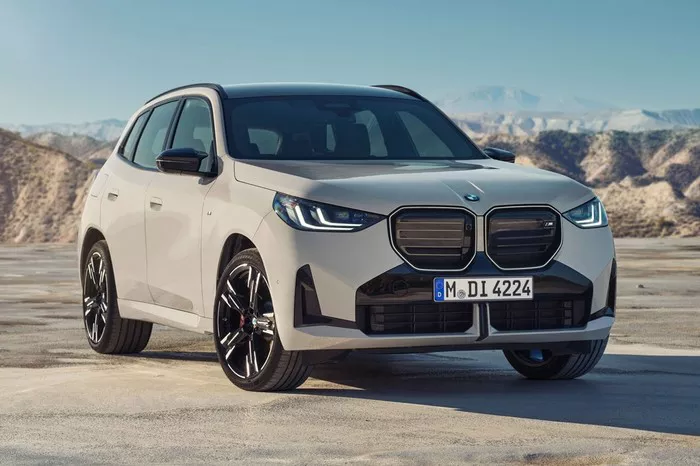
The BMW X3 has long been a benchmark in the premium SUV segment, offering a blend of performance, practicality, and broad appeal. The latest generation continues that tradition, now bigger, bolder, and more digitally advanced. While the high-performance M50 variant turns heads, the plug-in hybrid xDrive30e stands out as a smart choice for buyers seeking efficiency without sacrificing capability.
Efficiency That Pays Off—If You Plug In
The key advantage of the X3 xDrive30e is its impressive efficiency. Drivers can achieve up to 55 mpg (4.3 l/100 km) without altering their driving habits—provided the vehicle is regularly plugged in. As with any plug-in hybrid, running it solely on petrol diminishes the benefits, essentially carrying extra battery weight for no gain. When charged consistently, however, the X3 xDrive30e rewards drivers with strong performance and a generous electric range suitable for most daily commutes.
Performance and Driving Dynamics
Under the hood, the xDrive30e combines a 190-horsepower B48 four-cylinder engine with an electric motor, producing a total output of 295 hp and 332 lb-ft (450 Nm) of torque. This enables a 0-62 mph (0-100 km/h) sprint in just 6.2 seconds—slightly quicker than the conventional 30i, despite the plug-in hybrid system adding 375 lbs (170 kg).
Sport mode enhances responsiveness, while Comfort suspension ensures ride quality. Drivers can also stiffen the suspension for sharper handling, resulting in an SUV that feels surprisingly agile and engaging. Even at nearly 4,600 lbs (2.1 tons), the X3 moves with a light, nimble character that defies its size.
Charging Limitations
One notable limitation is the absence of DC fast-charging. The xDrive30e supports AC charging up to 11 kW, taking more than three hours to fully charge its 19.7 kWh battery. By contrast, competitors like the Mercedes GLC 300e can recharge much faster, encouraging more frequent use of the electric range. Still, the X3 xDrive30e achieves a WLTP-rated electric range of up to 56 miles (90 km), which is sufficient for most urban commutes.
Exterior and Interior Design
The fourth-generation X3 adopts a more assertive design, featuring taller headlights, vertical front and rear fascias, and a slightly wider stance. Opinions on the styling are mixed: some find it modern and aggressive, while others miss the cleaner lines of its predecessor. The M Pack exterior, however, elevates the car’s visual appeal.
Inside, BMW introduces a mix of bold materials and modern touches. The knitted fabric trim and illuminated control pods offer a futuristic look, but some materials feel less premium than expected for the segment. The amber leather interior enhances the cabin’s ambiance, though rear seating and ambient lighting fall short of the standards set by rivals. Practicality is affected by the battery, which reduces trunk space from 20.1 cu-ft (570 liters) to 16.2 cu-ft (460 liters).
Verdict: A Smart, Well-Rounded Choice
The BMW X3 xDrive30e excels when used as intended: a plug-in hybrid consistently charged for daily driving. It delivers a balanced combination of performance, efficiency, and SUV versatility, handling corners better than most competitors in its class. Pricing is premium, with tested models reaching nearly €83,000 including options, but the overall package justifies the investment.
While the interior materials and lack of DC fast-charging may deter some, the X3 xDrive30e remains an appealing choice for buyers seeking a capable, efficient, and engaging premium SUV. With the right commitment to charging, it proves to be one of the most practical and enjoyable plug-in hybrids available today.
