
Researchers at Washington University School of Medicine in St. Louis have developed a novel cellular immunotherapy that could transform Alzheimer’s treatment by dramatically reducing the need for frequent infusions of anti-amyloid drugs. The new approach harnesses genetically engineered brain cells, called CAR-astrocytes, to specifically target and remove amyloid-beta plaques—a hallmark of Alzheimer’s disease.
Current Alzheimer’s therapies, including monoclonal antibodies, require high-dose infusions once or twice a month and provide modest benefits, typically extending independent living by less than a year. By contrast, CAR-astrocytes could achieve significant plaque reduction with just a single injection.
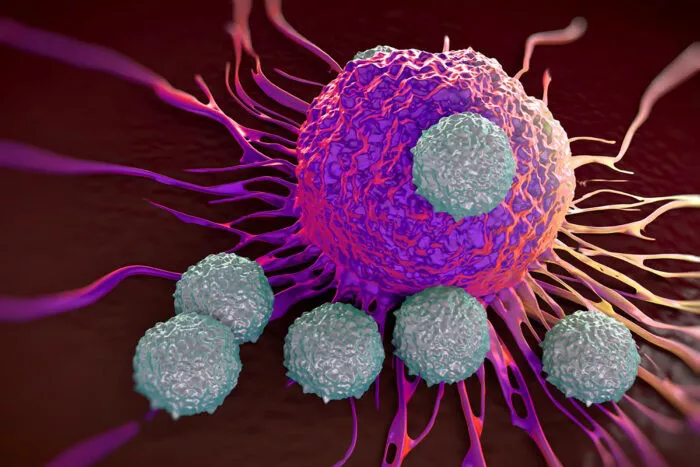
Published March 5 in Science, the study demonstrates that a single dose of these engineered astrocytes prevented plaque formation in young mice and reduced existing plaques by 50% in older mice. Inspired by CAR-T cell therapy used in cancer, researchers reprogrammed astrocytes—the brain’s most abundant cell type—with a chimeric antigen receptor (CAR), enabling them to recognize and engulf amyloid-beta proteins.
“These results mark the first successful attempt to engineer astrocytes to specifically target and remove amyloid-beta plaques in the brains of mice with Alzheimer’s disease,” said senior author Dr. Marco Colonna, Robert Rock Belliveau Professor of Pathology at WashU Medicine. “While further research is needed to optimize this therapy and assess safety, CAR-astrocytes open a promising avenue for treating neurodegenerative diseases and potentially even brain tumors.”
Alzheimer’s disease begins when sticky amyloid-beta proteins accumulate into plaques, triggering brain cell damage and cognitive decline. Normally, microglia—immune cells in the brain—help remove cellular waste. But in Alzheimer’s, these cells can become overwhelmed. The CAR-astrocytes act as “super cleaners,” alleviating the burden on microglia and directly targeting harmful plaques.
First author Dr. Yun Chen, a postdoctoral researcher at WashU, engineered the astrocytes by delivering a CAR gene via a harmless virus. The CAR-equipped astrocytes then identified and engulfed amyloid-beta proteins, significantly reducing plaque levels in treated mice. Young mice treated before plaque formation remained plaque-free, while older mice with established plaques experienced a 50% reduction after three months.
The team has filed a patent for this CAR-astrocyte technology, which could potentially be adapted to target brain tumors by redesigning the CAR to recognize cancer markers instead of amyloid.
Co-author Dr. David Holtzman, Distinguished Professor of Neurology, noted, “Similar to antibody treatments, the therapy is most effective early in disease progression. However, its potential lies in the single injection that produces profound effects, simplifying treatment and reducing patient burden.”
Future studies aim to refine CAR-astrocytes to enhance precision and safety, while exploring applications beyond Alzheimer’s, including brain tumors and other central nervous system diseases.
