
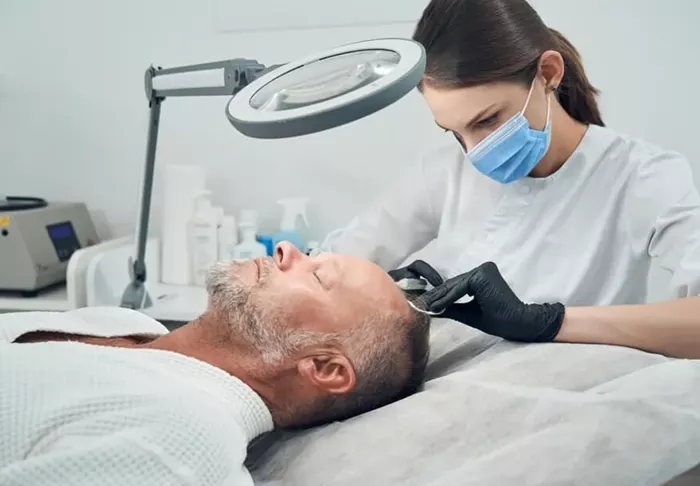
Hair loss affects millions of people worldwide. Whether it is a receding hairline, thinning crown, or patchy bald spots, hair loss can have a significant impact on confidence and self-esteem. Hair transplantation has become one of the most effective and permanent solutions for restoring natural hair, but many patients ask the simple question: where does the hair for a transplant come from?
Understanding the source of donor hair is crucial for anyone considering a hair transplant. It helps explain how the procedure works, why the results look natural, and what to expect in terms of long-term hair growth. In this article, we will explore donor areas, the techniques used to harvest hair, body hair transplantation, and key considerations for ensuring a successful procedure.
How Hair Transplants Work
Hair transplantation does not create new hair. Instead, it relocates hair from areas where it is genetically resistant to hair loss to areas that are thinning or bald. The hair that is moved is called the donor hair, and the area receiving the hair is called the recipient area. Once transplanted, the hair continues to grow naturally in its new location, maintaining its original characteristics, such as thickness, texture, and growth cycle.
Where Does Hair for Transplants Come From
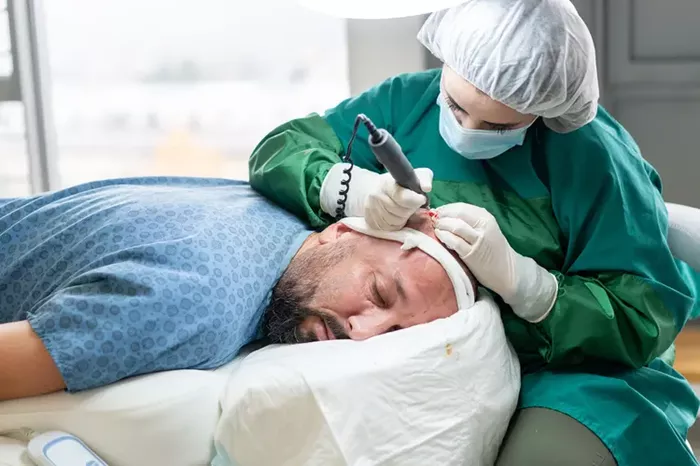
Most hair transplants use hair from the back and sides of the scalp. These regions, often called the safe donor zone, are genetically resistant to the effects of dihydrotestosterone (DHT), the hormone responsible for pattern baldness. The principle of donor dominance explains why hair from these areas retains its resistance to hair loss even after being transplanted to a balding area. This is why transplanted hair is considered permanent.
The safe donor zone generally includes the mid-portion of the back of the head, the lower occipital region, and the sides above the ears. A skilled surgeon carefully evaluates this area to ensure there is sufficient density and that removing hair will not leave visible thinning or scars. Donor assessment is particularly important because the quantity and quality of donor hair are limited, and overharvesting can permanently damage appearance.
Techniques for Harvesting Donor Hair
There are two main methods for harvesting hair: Follicular Unit Transplantation (FUT) and Follicular Unit Extraction (FUE). Both methods rely on hair from the same donor areas, but the approach and recovery differ.
In FUT, a thin strip of scalp is removed from the back of the head. The strip is then dissected into individual follicular units under a microscope. The donor area is closed with sutures, leaving a linear scar that can be concealed by surrounding hair. FUE, on the other hand, involves extracting individual follicular units one by one using a small punch tool. This method leaves tiny dot scars that are usually not visible once the area heals and is less invasive than FUT, making it the more popular choice today.
Understanding Follicular Units
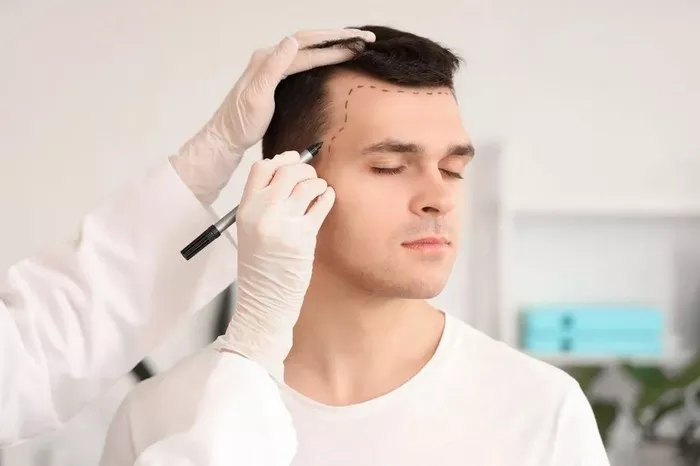
Hair grows naturally in clusters called follicular units, each containing one to four hairs, along with oil glands, small muscles, and blood supply structures. Preserving these units during transplantation is critical for achieving a natural look. Modern hair transplantation techniques focus on moving these units intact, which helps mimic the natural growth pattern of hair in the recipient area.
Body Hair Transplantation
In cases where scalp donor hair is limited, hair can sometimes be harvested from other parts of the body, a procedure known as Body Hair Transplantation (BHT). Common donor areas include the beard, chest, back, arms, and legs. Beard hair is the most frequently used body hair due to its thickness and strength. It is especially useful for adding density to the crown or mid-scalp area in patients with advanced hair loss. However, body hair has a different texture and growth cycle compared to scalp hair, so careful blending is required to ensure a natural appearance.
Autologous Transplantation Only
Hair must come from the patient’s own body. Donor hair from another person is not viable because the body would reject it, and managing rejection with medication is unsafe for cosmetic procedures. Hair transplantation is therefore an autologous procedure, meaning the donor and recipient are the same person.
Managing Limited Donor Hair
Patients with severe baldness or low donor density may require a combination of strategies to achieve optimal results. Options include using beard or body hair, designing a conservative hairline, performing multiple smaller sessions, or combining transplantation with medical therapies. Long-term planning is essential because the donor area is finite; once hair follicles are removed, they do not regrow.
Why Transplanted Hair Is Permanent
Because transplanted hair retains the genetic characteristics of the donor site, it usually continues to grow for life. Temporary shedding, known as shock loss, may occur in the first few weeks after surgery, but the hair follicles remain alive beneath the skin, and new growth typically begins after three to four months.
Protecting the Donor Area
Experienced surgeons strategically extract grafts across the donor zone to avoid visible thinning. Overharvesting can permanently compromise appearance, so careful planning and assessment of hair thickness, density, and future hair loss patterns are critical for long-term success.
Considerations for Hair Type
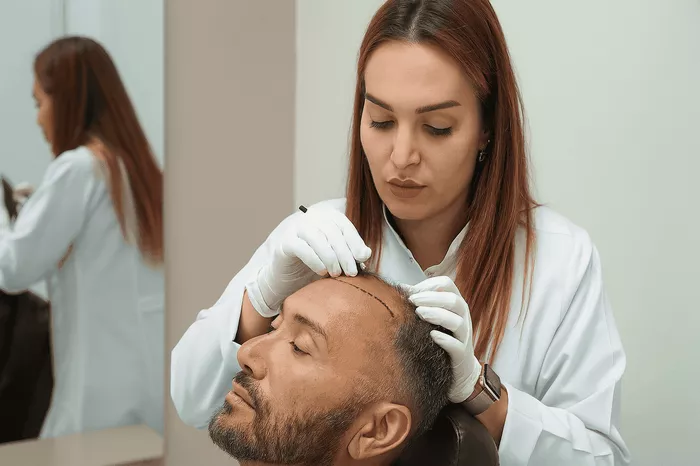
Hair characteristics, including thickness, curl, color, and density, influence the outcome of a transplant. Thick and curly hair provides better coverage than fine, straight hair. Surgeons must account for these factors when designing the transplant to achieve a natural and aesthetically pleasing result.
Future of Hair Transplantation
Research into hair cloning and stem cell therapy is ongoing. The goal is to create an unlimited supply of donor hair, but this technology is not yet widely available or approved. Currently, all hair transplants rely on existing donor hair from the patient’s own body.
Frequently Asked Questions (FAQs)
1. Where does hair for hair transplants usually come from?
It typically comes from the back and sides of the scalp, areas resistant to hair loss.
2. Can hair be taken from another person?
No, using someone else’s hair would lead to rejection and is not safe.
3. Can beard hair be used for a hair transplant?
Yes, it is often used when scalp donor hair is insufficient, particularly for adding density.
4. Does the donor area grow back?
No, the removed follicles do not regenerate, but surrounding hair usually hides the extraction sites.
5. Is transplanted hair permanent?
Yes, because it comes from DHT-resistant areas, it generally lasts for life.
6. What if I have very little donor hair?
A surgeon may use body hair, a conservative hairline, or combine transplantation with medical treatments.
7. Is body hair as effective as scalp hair?
Body hair differs in texture and growth cycle, so it is used selectively to supplement scalp hair.
8. How many grafts can safely be harvested?
This depends on donor density, scalp elasticity, and future hair loss; a professional assessment is required.
9. Will the donor area be noticeable?
If harvesting is performed properly, the donor area will remain natural and unnoticeable.
10. Can women donate hair from the back of the scalp?
Yes, women with sufficient donor density can undergo hair transplantation using the same principles as men.
Conclusion
The hair for a transplant primarily comes from the back and sides of the scalp, areas that are naturally resistant to hair loss. In some cases, beard or other body hair may supplement the donor supply. The procedure relies on moving hair rather than creating it, and the success depends on careful donor management, surgical expertise, and thoughtful long-term planning. With proper technique, hair transplantation provides a permanent, natural-looking solution for hair loss and remains one of the most reliable cosmetic procedures available today.
