
Many people who consider a hair transplant share the same concern. They want to know how much it will hurt. This is a normal fear because the procedure involves the scalp, which is a sensitive area. However, modern FUE hair transplant is designed to be minimally painful and very comfortable for most patients.
FUE stands for Follicular Unit Extraction. It is one of the most advanced and least invasive hair restoration methods available today. With proper anesthesia, careful technique, and correct aftercare, most patients report only mild discomfort rather than real pain.
This article explains in detail what you can expect during and after an FUE hair transplant. The goal is to give you clear and honest information using simple language so you can feel confident before making a decision.
What Is an FUE Hair Transplant?
FUE is a technique where individual hair follicles are removed from a donor area and implanted into areas with hair loss. The donor area is usually the back or sides of the scalp because hair in these areas is genetically resistant to thinning. Each follicle is extracted using a tiny circular punch tool.
Unlike older methods, FUE does not require a large incision or stitches. There is no long linear scar. Instead, there are many tiny extraction points that heal quickly and are almost invisible after recovery.
This minimally invasive nature is one of the main reasons why FUE is associated with much less pain compared to traditional hair transplant techniques.

Why People Worry About Pain
Hair transplant sounds like a surgical procedure, and surgery often makes people think of pain. Many patients imagine cutting, bleeding, and a long recovery period. These ideas can create anxiety even before the consultation.
In reality, FUE is performed under local anesthesia, which means the scalp becomes numb. You remain awake, but you do not feel sharp pain during the procedure. Most patients describe the experience as surprisingly easy.
Understanding each stage of the process helps remove fear and replaces it with realistic expectations.
Does the Anesthesia Injection Hurt?
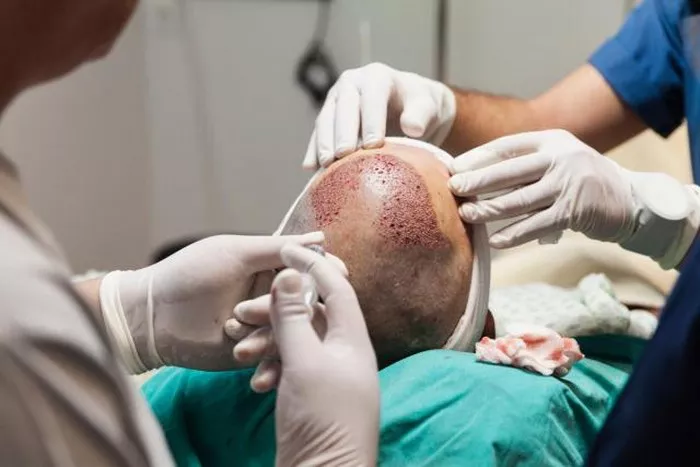
The anesthesia is usually the only part where you may feel slight discomfort. Doctors use very fine needles to inject local anesthetic into the scalp. Patients often describe this feeling as a small pinch or pressure.
This sensation lasts only a few seconds. Once the anesthesia takes effect, the treated area becomes completely numb. Many clinics also use vibration devices, cooling tools, or numbing creams to make injections even more comfortable.
After this stage, most patients feel relaxed and do not experience pain during the extraction or implantation.
What Do You Feel During the Procedure?
During FUE extraction, you may feel gentle movement or light pressure. You will not feel cutting or sharp sensations because the nerves are blocked by anesthesia. Some patients even watch movies, listen to music, or sleep during the session.
When the grafts are implanted, the feeling is similar. You may notice touching or slight pushing, but there is no real pain. The process is slow and controlled to protect the follicles and ensure comfort.
A typical session can last several hours, but discomfort remains minimal throughout the procedure.
Pain Level During FUE: A Realistic Scale
Patients often ask for a simple way to measure pain. Most describe FUE using a pain scale of 1 to 10, where 10 represents severe pain.
- Anesthesia injections: 2 to 3 out of 10
- During extraction and implantation: 0 to 1 out of 10
- First evening after surgery: 2 to 4 out of 10
- Next few days: Mild soreness or tightness
This means FUE is far more comfortable than many dental procedures or minor surgeries.
What Happens After the Procedure?
Once the anesthesia wears off, you may feel mild soreness similar to a sunburn. The donor area can feel slightly tight, and the recipient area may feel tender. This is a normal healing response and not a sign of injury.
Doctors usually prescribe mild pain relief medication, but many patients do not even need it. Over-the-counter medication is often enough to manage discomfort.
The majority of patients return to normal daily activities within a few days.
How Long Does the Discomfort Last?
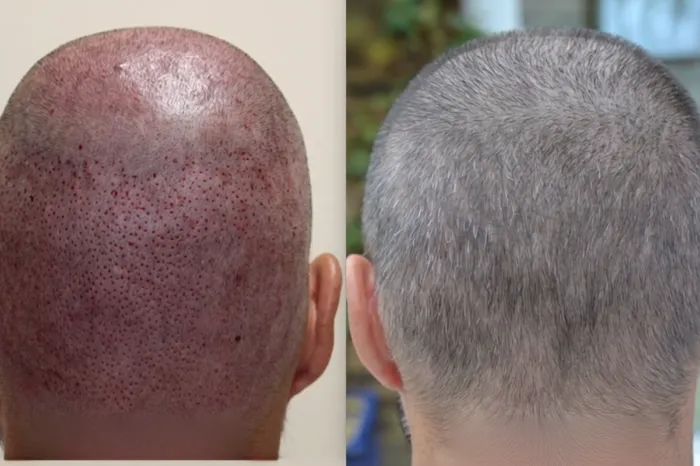
Most discomfort happens within the first 48 hours. After that, the feeling improves quickly as the scalp begins to heal. Tiny scabs form around the grafts, and these naturally fall off within 7 to 10 days.
By the end of the first week, many patients report that they feel almost completely normal. The healing process is fast because the incisions made during FUE are extremely small.
Why FUE Is Less Painful Than Older Techniques
Traditional FUT hair transplant involved removing a strip of scalp with a surgical incision. This required stitches and created tension in the scalp. Because of this, recovery could involve more discomfort.
FUE avoids large cuts entirely. Each follicle is removed individually using micro-instruments. This reduces tissue damage and allows faster healing.
Less trauma to the scalp means less pain, less swelling, and less downtime.
Factors That Can Influence Pain Levels
Not every patient experiences discomfort in the same way. Several factors can affect how you feel during and after the procedure.
1. Individual Pain Tolerance
Some people are naturally more sensitive to pain, while others feel very little. This is normal and varies from person to person.
2. Skill of the Surgeon
An experienced surgeon uses precise technique and proper anesthesia placement. This significantly reduces discomfort during the procedure.
3. Number of Grafts
Larger sessions take more time, which can lead to mild soreness afterward. However, even large sessions remain manageable.
4. Following Aftercare Instructions
Proper washing, sleeping position, and medication use help reduce inflammation and prevent unnecessary discomfort.
Common Sensations After FUE
Instead of pain, most patients describe unusual but harmless sensations during recovery. These feelings are part of the natural healing process.
- Mild tightness in the donor area
- Light itching as the skin heals
- Temporary numbness that fades over weeks
- Slight swelling on the forehead for a few days
These symptoms are temporary and improve without treatment.
Tips to Make the Experience Even More Comfortable
There are several simple steps you can take to minimize discomfort and make recovery easier.
- Get a good night’s sleep before the procedure so your body is relaxed.
- Eat a light meal before surgery to maintain stable blood sugar.
- Wear comfortable clothing that does not need to be pulled over your head.
- Use prescribed medications exactly as directed.
- Sleep with your head elevated for the first few nights.
- Avoid touching or scratching the transplanted area.
These small actions can make a big difference in how quickly you feel normal again.
Is There Any Long-Term Pain?
Long-term pain after FUE is extremely rare. Once healing is complete, the scalp feels completely natural again. The transplanted hair behaves just like your original hair.
Some patients may experience temporary numbness in the donor area, but this gradually disappears as nerves recover. Permanent discomfort is not expected when the procedure is performed correctly.
Emotional Comfort Is Also Important
Fear of pain often comes from not knowing what to expect. When patients understand the process, they feel more relaxed and confident. Clinics now focus heavily on patient comfort, offering calm environments and supportive care.
Many people are surprised that the procedure feels easier than they imagined. Confidence replaces anxiety once they see how gentle the process really is.
The Reality: FUE Is More About Patience Than Pain
The biggest challenge during FUE is not pain but the time required. You must sit still for several hours while the surgeon carefully performs the transplant. The procedure is slow because precision is essential for natural-looking results.
Patients often bring music, podcasts, or movies to stay entertained. This turns the session into a relaxed experience rather than a stressful one.
When Should You Contact Your Doctor?
Although discomfort is usually mild, you should contact your clinic if you notice unusual symptoms. These include severe pain, excessive swelling, or signs of infection such as redness or pus.
Such complications are uncommon, especially when post-operative instructions are followed carefully.
Final Thoughts
FUE hair transplant is one of the least painful cosmetic procedures available today. Thanks to modern technology, refined surgical methods, and effective anesthesia, most patients experience only minor discomfort. The recovery is quick, and the results are permanent and natural.
If fear of pain has been stopping you from considering a hair transplant, understanding the reality can be reassuring. The procedure is far gentler than most people expect, and the temporary discomfort is small compared to the long-term confidence gained from restoring your hair.
Frequently Asked Questions (FAQs)
Is FUE hair transplant painful during surgery?
No, the procedure is performed under local anesthesia, so you do not feel pain. You may feel slight pressure or movement, but the scalp remains numb throughout the surgery.
How painful are the anesthesia injections?
The injections feel like small pinches that last only a few seconds. Once the anesthesia works, the area becomes fully numb and comfortable.
How long does pain last after FUE?
Most discomfort disappears within two to three days. Mild tenderness or tightness may remain for about a week but continues improving each day.
Do I need strong painkillers after the procedure?
Most patients only need mild medication or none at all. The discomfort is usually manageable without strong pain relief.
Is FUE less painful than FUT?
Yes, FUE is significantly less painful because it does not involve large incisions or stitches. Healing is faster and more comfortable.
Can I return to work quickly?
Many patients return to non-physical work within a few days. Recovery is quick, but you should avoid heavy activity for about a week.
Will I feel pain when the new hair starts growing?
No, hair growth does not cause pain. Once the scalp heals, the transplanted follicles function naturally without discomfort.
What is the most uncomfortable part of the process?
The anesthesia injections and the first night after surgery are usually the only mildly uncomfortable moments. These are short-lived and manageable.
Can anxiety make the procedure feel more painful?
Yes, stress can increase sensitivity. Staying relaxed and understanding the process helps reduce perceived discomfort.
