

Breast implants are not lifetime devices. This is one of the most important things every patient should understand before surgery. Many people believe that once implants are placed, they will last forever. In reality, breast implants are designed to be long-lasting, but they may need to be replaced or removed at some point in your life.
Modern breast implants are very safe and durable. Many patients enjoy their results for 10, 15, or even 20 years without problems. However, the body changes over time. Implants can also change. Because of this, regular monitoring and realistic expectations are essential.
This article explains how long breast implants last, what affects their lifespan, when replacement may be needed, and how to care for them properly.
Are Breast Implants Permanent?
No, breast implants are not permanent. They are medical devices that experience natural wear and tear. Just like a knee replacement or dental crown, they may eventually need maintenance or replacement.
The U.S. Food and Drug Administration (FDA) states clearly that breast implants are not lifetime devices. This does not mean they will fail quickly. It simply means patients should expect the possibility of another procedure in the future.
Many women never experience a serious issue. Others may choose replacement because of cosmetic changes rather than medical problems.
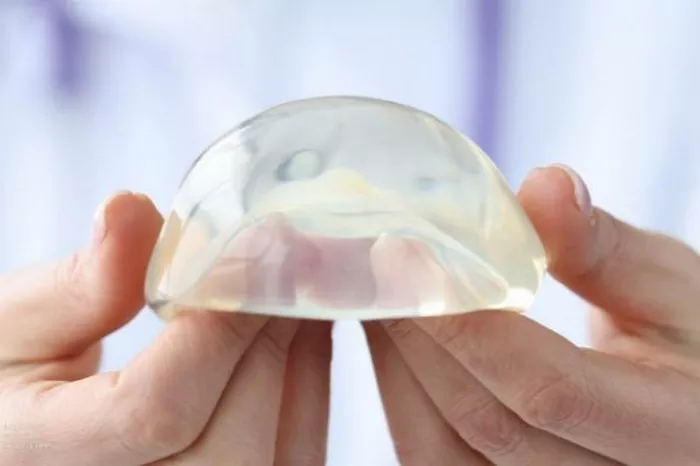
Average Lifespan of Breast Implants
On average, breast implants last between 10 to 20 years. Some last longer. Some require replacement sooner.
It is important to understand that implants do not need automatic replacement at 10 years. That is a common myth. If there are no complications and you are happy with the results, implants can remain in place.
Typical Longevity Timeline
- 10 Years: Many implants are still functioning perfectly.
- 15 Years: Some patients may consider revision due to natural aging changes.
- 20+ Years: A significant number of implants remain intact without rupture.
Longevity varies from person to person.
Types of Breast Implants and Their Durability
Silicone Gel Implants
Silicone implants are filled with a cohesive gel that feels similar to natural breast tissue. They are known for their durability and natural appearance.
If a silicone implant ruptures, the gel usually stays within the capsule. This is called a “silent rupture,” which is why imaging like MRI or ultrasound is recommended for monitoring.
Saline Implants
Saline implants are filled with sterile salt water. If they rupture, the implant deflates quickly and the body absorbs the fluid safely.
Because deflation is visible, saline ruptures are easier to detect. However, saline implants may have a slightly higher chance of visible wrinkling over time.
Gummy Bear (Highly Cohesive) Implants
These are advanced silicone implants that hold their shape even if cut. They are extremely durable and resistant to leakage.
Many surgeons consider them one of the longest-lasting implant options available today.

What Affects How Long Breast Implants Last?
1. Surgical Technique
A well-performed surgery reduces complications and improves implant lifespan. Proper pocket creation and placement are critical.
2. Implant Placement
Implants placed under the muscle often last longer because they receive more support and less direct pressure.
3. Lifestyle Factors
Smoking, poor nutrition, and major weight fluctuations can affect healing and tissue quality. Healthy tissue helps support implants for many years.
4. Aging and Gravity
Your body continues to age after surgery. Skin loses elasticity. Breasts may sag over time. This does not mean implants failed. It simply reflects natural aging.
5. Pregnancy and Breastfeeding
Pregnancy can stretch breast tissue and change shape. Some women later choose a lift or implant adjustment.
6. Implant Quality
Modern implants are much stronger than earlier generations. Improvements in shell design and gel technology have significantly increased durability.
Signs That Breast Implants May Need Replacement
You do not need replacement unless there is a problem or you want a change. However, certain signs should be evaluated by a surgeon.
Common Reasons for Revision Surgery
- Rupture or deflation
- Capsular contracture (hardening around the implant)
- Visible shape changes
- Implant shifting position
- Desire for different size or style
- Natural sagging of breast tissue

Understanding Capsular Contracture
Capsular contracture occurs when scar tissue tightens around the implant. This can cause firmness, discomfort, or shape distortion.
It is one of the most common reasons for revision surgery, but modern techniques have reduced its frequency.
What Happens If an Implant Ruptures?
Saline Rupture
The breast deflates quickly. The body absorbs the saline safely. Surgery is needed to replace the implant, but there is no long-term health risk.
Silicone Rupture
Often silent. Patients may not notice changes. Imaging detects rupture. Removal and replacement are recommended once confirmed.
Do Breast Implants Require Regular Checkups?
Yes. Monitoring is very important for long-term safety.
Recommended Follow-Up
- Annual physical exam by your surgeon or physician
- Ultrasound or MRI starting 5–6 years after silicone implantation
- Imaging every 2–3 years afterward
These exams ensure implants remain intact and healthy.
Can Breast Implants Last a Lifetime?
Some patients keep their implants for decades without issues. However, no surgeon can guarantee lifetime results. The goal is longevity, not permanence.
Think of implants as a long-term investment that may need maintenance over time.
How to Make Breast Implants Last Longer
Choose an Experienced Surgeon
Skill and planning during surgery directly affect outcomes.
Maintain a Stable Weight
Large weight fluctuations stretch tissues and affect implant support.
Avoid Smoking
Smoking weakens tissue and impairs healing.
Wear Proper Support
A supportive bra helps reduce long-term sagging.
Attend Regular Medical Follow-Ups
Early detection prevents bigger problems.
When Do People Choose to Replace Implants Electively?
Many replacement surgeries are not due to complications. They are personal choices.
- Desire for a different size
- Preference for newer implant technology
- Changes after pregnancy or aging
- Combining replacement with a breast lift
Advances in Modern Implant Technology
Today’s implants are safer and stronger than those used decades ago. Manufacturers perform extensive testing for durability, shell strength, and gel stability.
Many implants undergo stress testing equivalent to decades of use before approval.
Emotional and Lifestyle Considerations
Understanding implant lifespan helps patients feel more confident and prepared. Breast augmentation is not just about appearance. It is a long-term relationship with your body and your health.
Patients who understand maintenance needs tend to have higher satisfaction.
Cost Considerations Over Time
Because implants may require future procedures, patients should plan financially for potential revision surgery later in life.
This does not mean repeated surgeries are inevitable. It simply encourages realistic expectations.
Conclusion
Breast implants are long-lasting but not lifetime devices. Many last 10–20 years or more. With proper care, monitoring, and healthy lifestyle choices, patients can enjoy beautiful and safe results for many years.
The most important step is choosing a qualified surgeon and maintaining regular follow-up care.
Frequently Asked Questions (FAQs)
1. Do breast implants need to be replaced every 10 years?
No. There is no automatic expiration date. Implants only need replacement if a problem occurs or if you want a change.
2. How can I tell if my implant has ruptured?
Saline ruptures cause visible deflation. Silicone ruptures may have no symptoms, which is why imaging is recommended.
3. Are newer implants safer than older ones?
Yes. Modern implants use improved materials and design, making them more durable and reliable than earlier generations.
4. Can I keep my implants for 20 years or longer?
Yes, many patients do. Longevity depends on your body, implant type, and lifestyle.
5. Is implant replacement surgery more complicated?
In most cases, replacement surgery is straightforward when performed by an experienced surgeon.
6. Will my breasts sag even with implants?
Yes. Implants do not stop natural aging or gravity. A breast lift may be needed later to maintain shape.
