
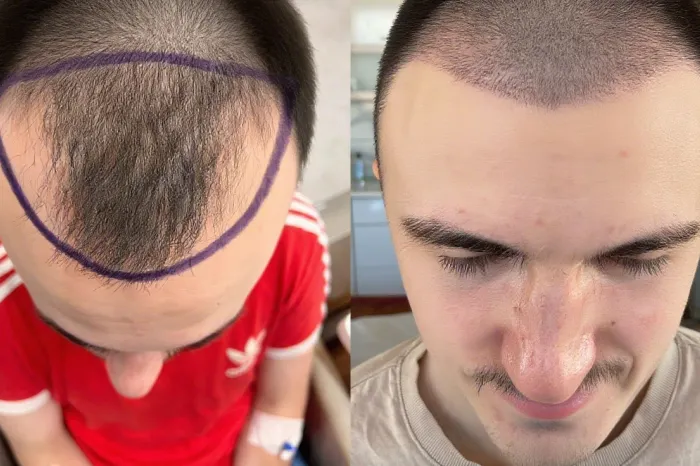
Hair transplant surgery has become one of the most popular solutions for hair loss because it offers natural and permanent results. Modern techniques are highly advanced, minimally invasive, and widely considered safe. However, like any medical procedure, hair transplantation can still involve side effects. Understanding these effects before undergoing surgery helps patients feel prepared, reduces anxiety, and allows for a smoother recovery experience.
Most side effects are temporary and part of the normal healing process rather than signs of complications. Serious problems are rare when the procedure is performed by a qualified and experienced surgeon. This article explains the possible side effects in clear and simple language, including why they happen, how long they last, and how they can be managed.
What Is a Hair Transplant?
A hair transplant is a medical procedure in which healthy hair follicles are taken from one area of the scalp, usually the back or sides, and implanted into areas experiencing thinning or baldness. The transplanted follicles continue to grow hair naturally because they retain the genetic resistance to hair loss from the donor area.
There are two primary techniques used today. The first is Follicular Unit Extraction (FUE), where individual follicles are removed and implanted one by one. The second is Follicular Unit Transplantation (FUT), where a thin strip of scalp is removed and dissected into grafts. Both methods are effective, and the choice depends on the patient’s needs, hair type, and medical evaluation.
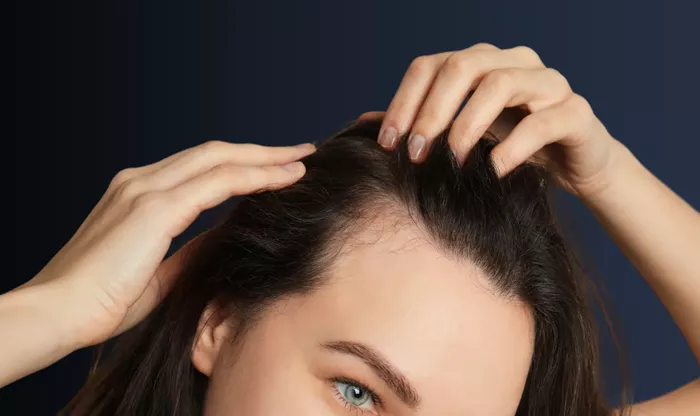
Are Hair Transplants Safe?
Hair transplantation is generally considered very safe. The procedure is performed under local anesthesia, does not require hospitalization, and allows patients to return home the same day. Because the surgery involves thousands of micro-incisions, the body naturally responds with temporary healing reactions. These responses are often mistaken for complications but are actually expected stages of recovery.
Common Side Effects of Hair Transplant
Swelling of the Forehead and Scalp
Swelling is one of the most frequently reported side effects. It typically appears two to four days after surgery and may extend from the scalp to the forehead or around the eyes. This happens because of fluid movement and the body’s inflammatory response to minor surgical trauma. The swelling usually subsides within three to five days and can be minimized by sleeping with the head elevated and avoiding bending forward.
Redness of the Scalp
Redness occurs because of the tiny incisions made during graft placement. It is a natural sign of increased blood flow to the healing tissue. In most patients, redness fades within several days, although individuals with sensitive skin may notice it for a few weeks.
Mild Pain or Discomfort
Most patients report only mild soreness rather than true pain. The donor area may feel tight or tender, especially after FUT procedures. This discomfort is temporary and usually resolves within a few days with prescribed medication.
Scab Formation
Small scabs form around each transplanted follicle as part of the healing process. These protective crusts help the skin recover and typically fall off naturally within seven to ten days. It is essential not to pick at them, as doing so can damage grafts.
Itching
Itching is another common healing response caused by tissue repair and mild dryness. While it can be uncomfortable, scratching must be avoided. Doctors often recommend saline sprays or gentle moisturizers to relieve the sensation safely.
Temporary Hair Shedding (Shock Loss)
Shock loss is one of the most misunderstood effects. After transplantation, the implanted hairs may shed within a few weeks. This does not mean the grafts are lost. The follicles remain alive beneath the skin and begin producing new hair after three to four months. This shedding phase is completely normal and expected.
Numbness or Reduced Sensation
Some patients experience temporary numbness in the treated areas because tiny sensory nerves are affected during the procedure. Sensation gradually returns as the nerves heal, typically within weeks or months.
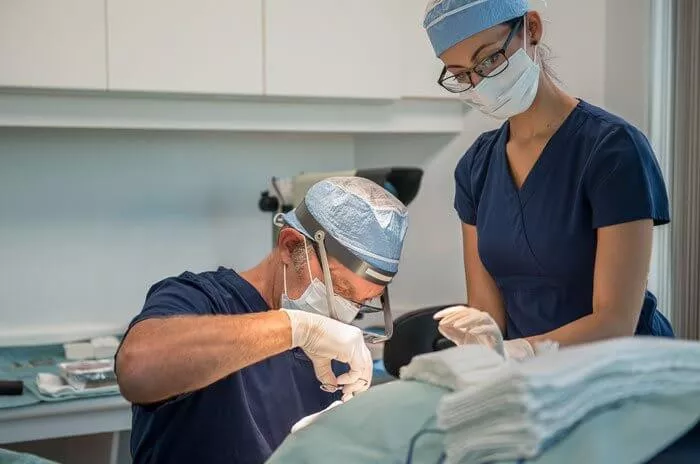
Less Common Side Effects
Infection
Infections are rare due to the scalp’s strong blood supply, which supports rapid healing. When they do occur, they are usually linked to poor aftercare or unsterile technique. Symptoms such as unusual pain, discharge, or fever require prompt medical attention and can be treated effectively with antibiotics.
Folliculitis
Folliculitis appears as small pimple-like bumps when new hairs begin to grow and struggle to emerge through the skin. This condition is temporary and often resolves with warm compresses or simple treatment.
Bleeding
Minor bleeding immediately after surgery is normal, but persistent bleeding is uncommon. It may occur if patients resume strenuous activity too soon or take blood-thinning substances without medical guidance.
Scarring
All surgical procedures involve some level of scarring. FUE leaves tiny dot scars that are barely noticeable, while FUT may leave a thin linear scar hidden beneath surrounding hair. Skilled surgical technique greatly reduces visible scarring.
Uneven Hair Growth
New hair does not grow uniformly. Some follicles enter the growth phase earlier than others, which can make results appear uneven at first. Full cosmetic improvement typically becomes visible after nine to twelve months.
Rare Complications
Serious complications are extremely uncommon but may include allergic reactions to anesthesia, poor graft survival, or unnatural growth patterns if the procedure is performed incorrectly. These risks highlight the importance of selecting a qualified and experienced medical team.
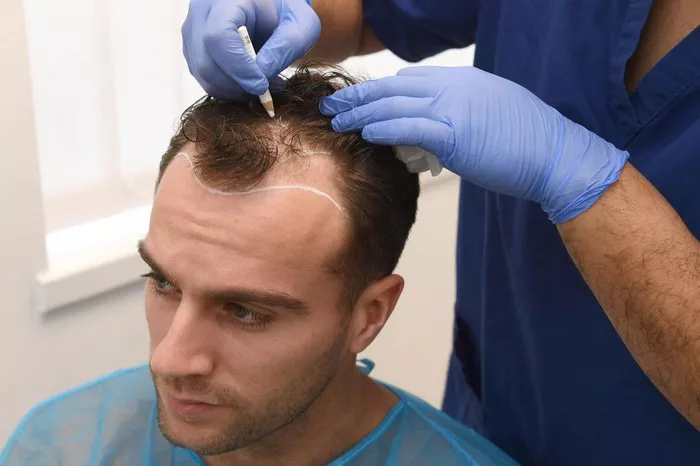
Psychological Effects During Recovery
The emotional aspect of recovery is often overlooked. Patients may feel concerned when transplanted hair sheds or when results take time to appear. Understanding the normal timeline helps reduce unnecessary stress. Hair restoration is a gradual biological process, not an instant cosmetic change.
Typical Recovery Timeline
During the first week, patients may notice redness, swelling, and scab formation. In the first month, shock loss begins as transplanted hairs shed. Between three and four months, new growth becomes visible. By six to twelve months, the hair thickens and matures, revealing the final result.
How to Minimize Side Effects
Proper aftercare plays a major role in reducing side effects. Patients should follow washing instructions carefully, avoid scratching or touching the scalp, refrain from strenuous exercise for at least a week, avoid smoking and alcohol, and protect the scalp from direct sun exposure. Taking prescribed medications as directed also supports healing.
Why Choosing the Right Surgeon Is Critical
Many complications associated with hair transplantation are not caused by the procedure itself but by poor technique or inadequate planning. A qualified surgeon ensures correct graft placement, natural hair direction, minimal trauma, and proper hygiene standards. Patients should always verify credentials, review before-and-after cases, and seek a detailed consultation before proceeding.
When to Contact a Doctor
Patients should contact their doctor if they experience severe pain, prolonged swelling, unusual discharge, heavy bleeding, or delayed healing. Early medical attention prevents minor issues from becoming serious problems.
Final Thoughts
Hair transplant surgery is a reliable and life-changing treatment for hair loss. The majority of side effects are mild, temporary, and part of the body’s natural healing response. With realistic expectations, proper aftercare, and an experienced surgeon, patients can achieve safe and highly satisfying results. Beyond improving appearance, successful hair restoration often enhances confidence and overall quality of life.
Frequently Asked Questions (FAQs)
Are hair transplant side effects permanent?
No, most side effects such as swelling, redness, and shedding are temporary and resolve naturally during healing.
Is shock loss a sign that the transplant failed?
No, shock loss is a normal phase. New hair will regrow from the transplanted follicles within a few months.
How painful is a hair transplant?
The procedure is performed under local anesthesia, so patients feel minimal discomfort during surgery and only mild soreness afterward.
How long does recovery take?
Initial healing takes about one to two weeks, while full cosmetic results develop over several months.
Will there be visible scars?
FUE leaves tiny scars that are difficult to see, while FUT leaves a thin scar typically hidden by surrounding hair.
When can normal activities be resumed?
Most patients return to work within a few days, but strenuous exercise should be avoided for at least one week.
