
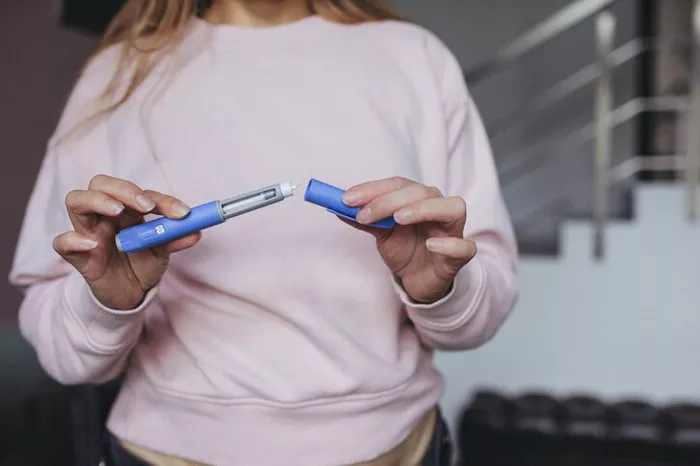
Widely used GLP-1 weight-loss medications may influence sexual health in both positive and negative ways, according to a growing body of research examining their broader physiological and psychological effects.
A 2025 review published by the National Institutes of Health found that in overweight and obese men, glucagon-like peptide-1 (GLP-1) drugs were associated with increased total testosterone levels, improved hormonal balance and better erectile-function scores. Additional reviews have reported similar improvements in erectile dysfunction among some patients.
However, not all findings point to benefits. A study involving women, published in Sage Journals in June, suggested that hormonal changes linked to GLP-1 medications could lead to a decline in sexual desire.
Survey data reflect these mixed outcomes. In a nationally representative survey conducted by the Kinsey Institute at Indiana University, approximately 52% of GLP-1 users said the drugs had affected their sex lives in some way. Among respondents, 18% reported increased sexual desire, while 16% experienced a decrease. Another 16% said sexual function improved, whereas 14% reported no improvement. Body image also shifted, with 16% feeling more comfortable in their bodies and 14% feeling less so.
Outcomes Depend on Individual Factors
Experts caution that isolating the cause of these changes can be challenging.
Dr. Peter Balazs, a hormone and weight-loss specialist practicing in New York and New Jersey, said improvements may stem from the medication itself, the effects of weight loss, or changes in self-perception.
“These outcomes depend heavily on patient characteristics,” Balazs noted, explaining that individuals with severe obesity often experience significant hormonal improvement, while those with long-standing diabetic neuropathy may have irreversible nerve and vascular damage that limits recovery.
He added that when sexual dysfunction is primarily driven by psychosocial issues—such as relationship stress—medication alone is unlikely to resolve the problem.
In clinical practice, Balazs said he has observed both positive and negative experiences, though most patients report improvements. Younger men under 30 were more likely to report reduced libido, a trend he attributes to the drugs’ effects on the central nervous system rather than underlying chronic disease.
Biological Mechanisms Behind the Changes
Researchers suggest several physiological pathways through which GLP-1 medications may influence sexual health.
The drugs can enhance vascular endothelial function—the health of blood vessel linings—leading to improved circulation. Better blood flow supports erectile function in men and may increase pelvic blood flow in women, contributing to sexual response.
Significant weight loss may also reduce the conversion of testosterone into estrogen, helping restore testosterone levels and potentially improving libido, energy and overall sexual performance.
In addition, GLP-1 therapies may reduce inflammation in the brain, which could enhance peripheral nerve function essential for physical sensation.
Weight reduction can also remove physical barriers to intimacy by improving mobility and comfort. Beyond the physical changes, experts say the psychological burden of obesity and diabetes often contributes to depression and anxiety, conditions that can impair sexual well-being. Improvements in body composition and self-image may help alleviate those factors.
Why Some Patients Experience Declines
Despite these potential benefits, some users report diminished sexual desire. Balazs said this may be linked to how GLP-1 drugs affect the brain’s reward system, which regulates pleasure associated with both eating and sexual activity.
“Modulation of this pathway may reduce sexual desire in some patients,” he explained.
Common side effects such as nausea, fatigue and general malaise—as well as the psychological adjustment to rapid weight loss—may also indirectly dampen libido.
A Complex, Individualized Effect
As GLP-1 medications continue to gain popularity for obesity and diabetes management, researchers emphasize that their effects extend beyond weight loss alone. Sexual health outcomes appear to vary widely depending on biological, psychological and lifestyle factors, underscoring the need for individualized patient evaluation and counseling.
