
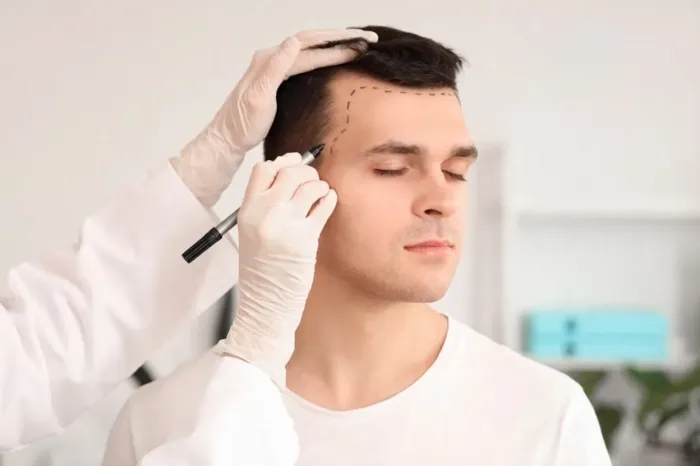
Hair loss is a common problem that affects millions of people around the world, and it can have a strong emotional impact on both men and women. Many people feel less confident when they notice thinning hair, a receding hairline, or bald areas. Because of this, hair transplant surgery has become one of the most talked-about and requested solutions for restoring hair. However, many individuals still wonder whether it truly works or if it is just another temporary fix.
The truth is that hair transplant is a medically proven treatment that can deliver permanent and natural-looking results when performed correctly. To understand why it works, it is important to learn how the procedure is done, who it is suitable for, and what kind of results you can realistically expect.
What Is Hair Transplant?
A hair transplant is a surgical procedure that moves healthy hair follicles from one part of the scalp, known as the donor area, to another part that is experiencing thinning or baldness, known as the recipient area. In most cases, the donor hair is taken from the back or sides of the head because these areas are genetically resistant to hair loss. Once transplanted, these follicles continue to grow in their new location just as they did before.
This approach makes hair transplantation very different from temporary solutions like wigs, fibers, or medications that only slow hair loss. Instead of covering the problem, a transplant restores real, growing hair.
Why Hair Transplant Works
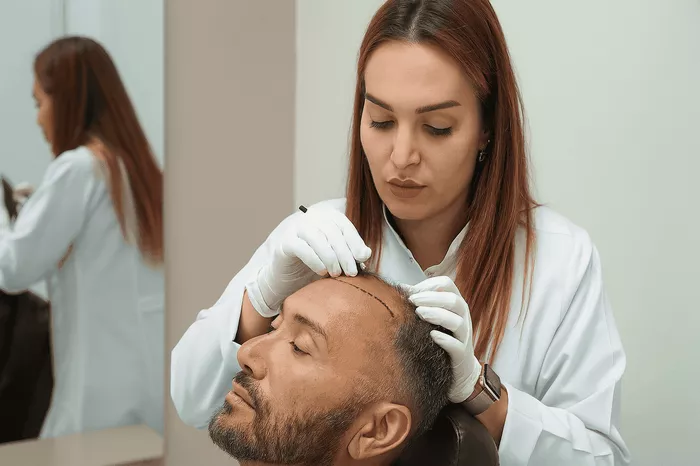
The success of a hair transplant is based on a scientific principle called donor dominance. Hair follicles from the back of the scalp are programmed by genetics to keep growing throughout a person’s life. Even when hair on the top of the head becomes thin due to hormone sensitivity, the donor hair remains strong. When surgeons relocate these follicles, they retain their resistance to hair loss and continue producing hair permanently.
This means the transplanted hair does not behave like the hair that was lost. It keeps growing naturally, can be cut or styled, and does not require special maintenance.
Main Hair Transplant Techniques
Follicular Unit Extraction (FUE)
FUE is the most advanced and widely used technique today. During this procedure, the surgeon extracts individual hair follicles using a very small punch tool and implants them into the thinning areas. Because the extraction is done one follicle at a time, there is no large incision, no stitches, and minimal scarring. Healing is faster, and patients can usually return to normal routines within a few days.
Follicular Unit Transplantation (FUT)
FUT is an older method in which a thin strip of scalp is removed from the donor area and then divided into grafts under a microscope. While this method can provide a large number of grafts in a single session, it may leave a linear scar. Some clinics still use FUT for patients who need extensive coverage.
Who Is a Good Candidate?
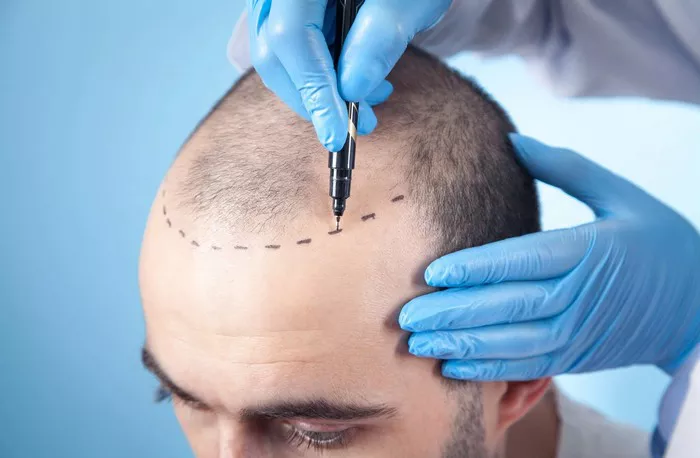
Hair transplant works best for people with pattern hair loss caused by genetics, also known as androgenetic alopecia. Ideal candidates still have a good amount of healthy donor hair, are in generally good health, and have realistic expectations about density and coverage. People who have hair loss caused by medical conditions, severe scarring, or active diseases of the scalp may not be suitable without further treatment.
Does Hair Transplant Work for Women?
Yes, women can also benefit from hair transplantation, especially when they experience localized thinning or traction-related hair loss. Female hair loss patterns are often more diffuse, so careful evaluation is necessary to ensure there is a stable donor area. When properly selected, female patients can achieve very natural improvements in density and hairline design.
What Happens During the Procedure?
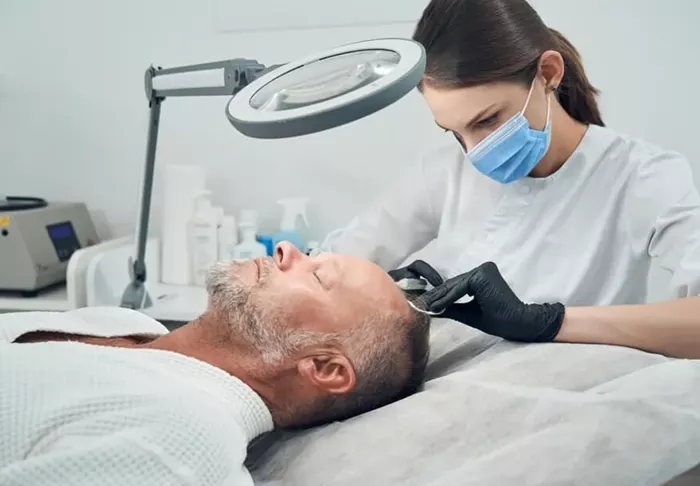
The procedure begins with a consultation in which the surgeon analyzes your scalp, discusses expectations, and designs a hairline that suits your facial structure and age. On the day of surgery, local anesthesia is applied so the scalp is numb but you remain awake and comfortable. The surgeon then harvests the donor follicles, prepares the recipient sites, and implants each graft carefully to match the natural angle and direction of growth. Depending on the number of grafts, the process may take several hours.
The Hair Growth Timeline
Hair transplant results do not appear immediately because hair follows a natural growth cycle. In the first few weeks, the transplanted hairs shed, which can worry patients but is completely normal. New growth usually begins around three to four months after surgery. By six months, patients notice visible improvement, while full results are typically seen between twelve and eighteen months as the hair thickens and matures.
Will the Results Look Natural?
Modern hair transplantation focuses heavily on artistry as well as technique. Surgeons carefully control graft placement, density, and hairline shape to recreate how hair naturally grows. A well-performed transplant is virtually undetectable, even to hairstylists. The key difference between natural and unnatural results usually comes down to the experience of the surgeon.
How Long Do Hair Transplants Last?
Transplanted hair is considered permanent because it comes from areas genetically resistant to balding. However, existing non-transplanted hair may continue to thin over time. Some patients choose to use medical therapies to protect their remaining native hair and maintain overall density.
Success Rate of Hair Transplant
Hair transplant surgery has a very high success rate, with most procedures achieving graft survival rates above 90 percent when performed under proper conditions. Patient satisfaction is also high because the results are long-lasting and require little ongoing care compared to temporary treatments.
Benefits of Hair Transplant
One of the main advantages of a hair transplant is that it offers a permanent solution using your own natural hair. There is no need for special maintenance once healing is complete, and the restored hair can be washed, styled, or cut normally. Many patients also report a significant improvement in confidence and self-image after the procedure. Over the long term, it can even be more cost-effective than years of temporary treatments.
Are There Any Risks?
Hair transplantation is considered very safe, especially when performed by qualified professionals. Some patients may experience temporary redness, swelling, or scabbing in the treated areas, but these effects usually resolve within days. Serious complications are rare when proper medical standards are followed.
Common Misunderstandings
Many people believe hair transplant is painful or produces artificial-looking hair, but modern techniques have changed this perception. With local anesthesia and advanced implantation methods, the procedure is comfortable and results appear natural. Another common myth is that results are instant, when in reality patience is required while the hair grows gradually.
Choosing the Right Clinic
The quality of the clinic and surgeon is one of the most important factors influencing success. Patients should look for experienced medical teams, clear before-and-after cases, and a personalized treatment plan rather than a one-size-fits-all approach. A well-designed hairline and careful graft handling make a significant difference in the final outcome.
Is Hair Transplant Worth It?
For individuals bothered by hair loss, a transplant can be life-changing because it restores not just hair but also confidence and a sense of normalcy. Since the results are permanent and continue to grow naturally, many people consider it a worthwhile long-term investment in their appearance and well-being.
Frequently Asked Questions (FAQs)
Does hair transplant really work?
Yes, it works by relocating permanent hair follicles that continue growing in their new location for life.
Is the transplanted hair permanent?
In most cases, transplanted hair lasts a lifetime because it is resistant to the hormone that causes pattern baldness.
When will I see results?
New growth begins after a few months, with full results usually visible within twelve to eighteen months.
Is the procedure painful?
No, the scalp is numbed with local anesthesia, so patients feel minimal discomfort.
Can women undergo hair transplant?
Yes, women with suitable donor hair and stable hair loss can achieve excellent results.
Will people notice I had a transplant?
When performed correctly, the results look completely natural and are very difficult to detect.
Conclusion
Hair transplant is one of the few treatments that can truly and permanently restore lost hair. By using your own healthy follicles and placing them strategically in thinning areas, the procedure creates natural growth that can last a lifetime. With proper planning, realistic expectations, and an experienced surgeon, hair transplantation can be a highly effective and satisfying solution for hair loss.
