
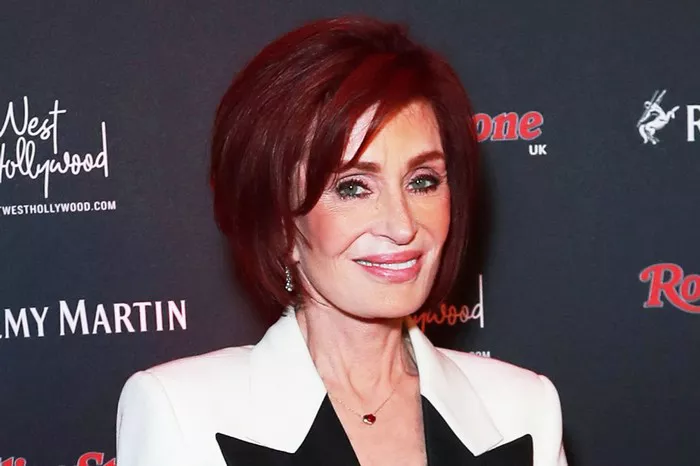
Sharon Osbourne’s recent public appearance has reignited discussion about the widely used weight-loss drug Ozempic and growing concerns over its potential long-term effects.
The 72-year-old television personality was photographed walking along a tree-lined street carrying shopping bags, dressed in a loose white sweatshirt and cream-colored pants. Observers quickly noted her noticeably slimmer frame, prompting renewed public debate about the medication she has previously said she used.
Osbourne had already addressed such concerns in a 2023 interview, revealing that her experience with the drug appeared to have lasting consequences even after she stopped taking it.
“I can’t put on weight now,” she said at the time. “I don’t know what it’s done to my metabolism, but I just can’t seem to put any on, because I think I went too far.”
Reports indicate she lost nearly 42 pounds in roughly four months before discontinuing the injections. Since then, Osbourne has said she has tried to regain some weight for health reasons but has struggled to do so.
“I need to put on 10 pounds, but however much I eat, I stay the same weight,” she explained, adding that years of striving to maintain a certain appearance had led her into a cycle of repeated cosmetic interventions.
Osbourne has since said she is stepping away from further procedures.
“I’ve had enough. I’ve given up on all interventions,” she said, noting that she would no longer pursue additional facial surgeries, fillers, or Botox treatments.
A History of Candidness About Cosmetic Surgery
Osbourne has long spoken openly about her experiences with cosmetic surgery, which have included facelifts, a tummy tuck, an eyelift, breast implants, and non-surgical treatments. She has also discussed the emotional toll associated with attempting to meet aesthetic expectations.
“I don’t think I’ll ever be happy with the way I look,” she said in an interview with The Guardian. “But I’m now satisfied… This is me. It’s finally time to leave well alone.”
Experts say such experiences are not uncommon. Research from the University of Southern California suggests individuals dealing with psychological challenges, including body dysmorphia or depression, may be significantly more likely to develop patterns of repeated cosmetic procedures, often in an attempt to address internal distress through physical change.
Ozempic’s Rise—and Questions About Its Broader Impact
Ozempic, along with related medications such as Wegovy and Rybelsus, contains semaglutide, a compound initially developed to help manage blood sugar in patients with type 2 diabetes. The drug works by regulating appetite, slowing gastric emptying, and improving glucose control.
The U.S. Food and Drug Administration approved semaglutide for diabetes treatment in 2017. Several years later, a higher-dose injectable version, marketed as Wegovy, received approval for chronic weight management in adults with obesity—an expansion that dramatically increased demand.
Since then, the medications have become some of the most commercially successful pharmaceutical products globally, driving major financial growth for manufacturer Novo Nordisk.
However, like many medications, semaglutide treatments carry potential side effects. These can include gastrointestinal symptoms and, in some cases, more serious risks that remain under study. Medical professionals emphasize that such drugs should be used under careful supervision and tailored to individual health needs.
Public Conversation Reflects Broader Cultural Debate
Osbourne’s experience has become part of a wider cultural conversation about rapid weight loss, celebrity influence, and the pressures surrounding aging and appearance. While some commentators have speculated about the reasons behind her changing look, Osbourne herself has pointed to a combination of medical treatment, aging, and a reassessment of her relationship with cosmetic enhancement.
“The doctors can’t figure it out,” she said of her weight changes. “But I think it’s just because I’m getting older.”
As the popularity of GLP-1–based medications continues to grow, health experts say Osbourne’s story underscores the importance of understanding both the benefits and limitations of emerging weight-loss therapies—alongside the psychological and social factors that often shape how they are used.
