
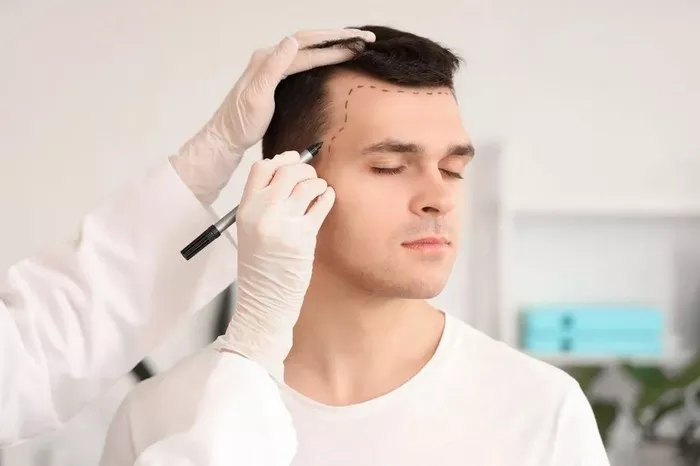
Istanbul’s growing influence in the global hair restoration market is prompting closer scrutiny of a key question for prospective patients: who is directing treatment—the physician or technical staff? As demand for medical travel rises, industry observers say clinical oversight and governance structures are becoming as significant as price and procedure volume when evaluating providers.
Smile Hair Clinic, an Istanbul-based facility founded in 2018, has recently drawn attention after receiving accreditation from TEMOS International Healthcare Accreditation, an organization that evaluates quality and safety standards in healthcare institutions worldwide. The certification, dated September 4, 2025, recognizes the clinic for “Quality in Outpatient and Ambulatory Care,” according to TEMOS.
Accreditation Shifts Focus Beyond Cost and Graft Counts
Hair transplantation in Turkey has often been marketed through competitive pricing and high graft numbers. However, accreditation bodies assess a broader set of criteria, including patient safety protocols, infection control, continuity of care, and organizational quality management.
Smile Hair Clinic said the TEMOS evaluation reviewed areas such as medical services, nursing, international patient management, facility safety, and infrastructure. For patients traveling abroad for treatment, such external validation can offer an additional benchmark when comparing clinics that may otherwise appear similar online.
Healthcare analysts note that internationally recognized accreditation systems are designed to verify operational processes rather than cosmetic outcomes alone, placing emphasis on documentation, hygiene controls, and standardized workflows.
Planning and Medical Oversight Seen as Determining Outcomes
Specialists say hair transplantation is both a surgical and aesthetic discipline in which results depend heavily on preoperative planning. Decisions about donor area preservation, hairline design, and density mapping must be tailored to individual anatomy and long-term hair loss patterns.
Smile Hair Clinic states that physicians conduct consultations on the day of surgery, including determining hairline structure and treatment zones—an approach positioned as doctor-led rather than technician-driven. Industry experts say such involvement can influence visible outcomes such as hairline geometry, graft angle, and implantation direction.
The clinic describes its methodology as patient-centered, incorporating hair characteristics, facial anatomy, donor capacity, and long-term preservation strategies into individualized treatment plans.
Founders and Clinical Team
According to company information, Smile Hair Clinic was established by Dr. Mehmet Erdoğan and Dr. Gökay Bilgin, both medical doctors with backgrounds in hair transplantation and medical aesthetics.
The clinic reports that Dr. Erdoğan graduated from Yeditepe University Faculty of Medicine and is a member of the International Society of Hair Restoration Surgery (ISHRS), while Dr. Bilgin earned his medical degree from Istanbul University–Cerrahpaşa. Each has performed thousands of procedures, according to clinic data.
The organization says it now operates with more than 100 staff in a multi-story medical facility located in Istanbul’s financial district.
Standardization and Training as Volume Increases
As Istanbul has become a high-volume destination for hair restoration, consistency between cases has emerged as a critical operational challenge. Smile Hair Clinic attributes its internal protocols to a structured framework it calls the “True™ Philosophy,” which it says guides analysis, planning, and execution across teams.
Standardized systems, healthcare management experts note, can help reduce variability in outcomes when multiple clinicians participate in consultation, surgery, and aftercare.
Hygiene Protocols and International Patient Considerations
Infection control—while less visible in marketing materials—remains a central concern in outpatient surgical settings. The clinic says it follows sterilization and hygiene procedures aligned with guidance from Turkey’s Ministry of Health, World Health Organization resources, and AAMI ST79 standards for steam sterilization.
Clear documentation of such protocols is particularly relevant for international patients, many of whom must evaluate facilities remotely before traveling.
Ethics, Transparency, and Market Differentiation
Smile Hair Clinic also highlights ethical commitments, including transparency, patient confidentiality, and realistic expectation-setting, in its published code of conduct. Industry observers say explicit ethical frameworks can help patients distinguish between medically regulated providers and high-volume commercial operators.
The clinic reports that it routinely performs Sapphire FUE procedures and offers services tailored to medical travelers, including translation and logistical coordination.
A Changing Decision Framework for Patients
Experts caution that no clinic can guarantee uniform results, as outcomes depend on variables such as donor availability, scalp condition, and adherence to aftercare. Still, patient decision-making is increasingly shaped by several core questions:
- Who designs the treatment plan and hairline?
- Which medical professionals perform and supervise key steps?
- Is there independent accreditation validating safety and governance?
- Are hygiene and ethical standards publicly documented?
As global demand for hair restoration continues to grow, clinics able to demonstrate physician involvement alongside verifiable quality systems may gain a competitive edge—not only in Istanbul, but across the broader medical tourism sector.
