
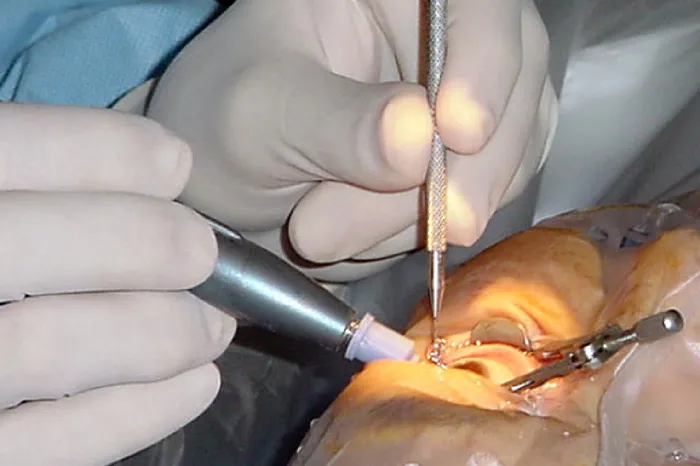
Eye surgery has recently played a crucial role in improving lives—both for people and for animals—highlighting advances and challenges in eye care across different settings. Ugandan singer Jose Chameleone is the latest public figure to share his experience after undergoing eye surgery at Kampala Eye LASIK Hospital. Chameleone, who is 48, posted a photo on social media showing his left eye bandaged after surgery. He expressed gratitude to his doctors and the hospital team, revealing that he had been losing vision in his right eye and was seeking healing. Chameleone’s health journey has included other serious complications in the past, such as abdominal and pancreatic issues that even required treatment abroad. Many fans wished him a quick recovery as he continues his return to public life.
In the world of sports, eye health has also become a concern. UFC heavyweight champion Tom Aspinall recently had double eye surgery after suffering issues during a title fight last October. His problems began when his bout was stopped because of repeated eye pokes, leading to episodes of double vision and black spots. Former UFC champion Michael Bisping, who also experienced loss of vision during his career, gave Aspinall advice to focus on his recovery and ignore outside rumors. Bisping noted that the demand of the sport and uncertainty from promoters can add stress during such times. Aspinall, who has achieved impressive results in the UFC, has not set a timeline for his comeback as he waits to see if his surgery was successful. The need for possible further surgery remains, highlighting the ongoing risks athletes face in such high-contact sports.
Outside of human care, veterinary medicine has also seen breakthroughs in eye surgery. Dublin Zoo recently managed a rare and complex procedure on a hippopotamus named Imani. The zoo’s lead vet, Niamh McGill, spoke about the unique challenges in diagnosing and treating cataracts in such a large animal. Imani’s vision problems became clear only after her transfer to Dublin, requiring months of preparation to administer eye drops and plan the surgery. The operation involved a team of veterinarians and eye specialists, as well as adapting equipment typically used for humans. Post-surgery, keepers worked around the clock to care for Imani and administer necessary medication every few hours, reflecting the dedication required for animal recovery.
Dr. McGill described these cases as examples of how every day is different for veterinary teams, with animals ranging from tiny frogs to massive elephants, each presenting unique medical needs. The emotional bonds between zookeepers and animals were especially apparent during and after medical procedures. The experiences of staff at Dublin Zoo highlight the emotional rewards and difficulties of caring for a range of species and underscore the advances being made in veterinary medicine, including the development of vaccinations and new treatments for life-threatening diseases.
These recent events in Uganda, international sports, and animal care show the importance of ongoing innovation and compassion in eye health. Whether it is a performer regaining sight, a champion athlete seeking to return safely, or a zoo animal having its vision restored, each story offers hope and learning for the wider field of medical care.
