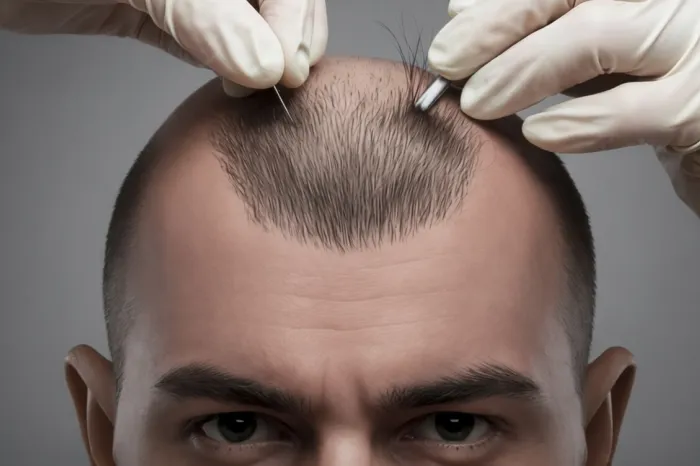
A growing number of young adults in their twenties are turning to hair restoration treatments much earlier than previous generations, transforming the landscape of hair transplants and challenging traditional views on hair loss. This trend reflects both a shift in cultural attitudes and advances in medical techniques, according to specialists in the field.
Experts report that awareness around hair loss and its solutions has increased sharply among Gen Z and young millennials. Many in this group no longer wait for their hair to thin significantly before seeking help. Instead, they view early intervention as a form of preventive care rather than something only done in response to crisis. Hair restoration is now being considered part of overall self-care along with grooming and other wellness routines.
The influence of social media and daily online presence plays a major role in this change. Young people today are constantly on camera, whether in selfies or during video calls, making any changes to their hairline or crown more noticeable and impactful on their confidence. This high level of digital visibility has pushed many to be proactive and well-researched when making decisions about hair restoration.
Advancements in treatment methods have contributed to this trend. Techniques like Follicular Unit Extraction (FUE) are now less invasive and produce more natural results with minimal downtime. These improvements, along with open marketing and real-life success stories, have helped reduce the fear and stigma that once surrounded hair transplants. Already, doctors note that treating hair loss sooner can result in better outcomes, such as higher graft survival and a more natural appearance.
Specialists, however, warn that deciding to undergo a hair transplant should be done with care. Medical evaluation is vital, as patterns of hair loss can still develop in people under 30. Not everyone is considered a suitable candidate right away, and stabilising hair loss is often the first step. Experts stress the importance of seeking out qualified professionals rather than making choices based solely on emotional or social pressures. For this generation, early intervention is less about vanity and more about taking control in a world where personal image is under near-constant observation.