
A range of new developments in hair loss treatment is giving hope to millions struggling with thinning hair and receding hairlines. Recent scientific research and reviews by medical experts highlight both drug-free solutions and proven medications, as well as the importance of cautious consumer choices in this growing field.
One major focus is on topical minoxidil, a medication widely available in liquid or foam forms. Experts point out that it remains a safe and accessible option for most people experiencing hair loss, including those undergoing cancer treatment. However, it is not generally recommended for women who are pregnant or breastfeeding. Clinical guidance emphasizes that topical minoxidil can be considered by many as an effective way to address hair shedding, especially when compared to the uncertain benefits of over-the-counter hair supplements.
Shoppers are also turning to scalp serums, such as products containing adaptogens, peptides, and botanical extracts, which claim to moisturize the scalp and encourage fuller hair growth. Reviews by users—particularly those in their 60s—suggest that some serums may help reduce scalp irritation, boost new hair growth, and improve hair’s overall appearance. Still, dermatologists warn that while such products can improve scalp health, not every serum or oil is backed by robust clinical evidence regarding hair regrowth.
Another significant breakthrough has emerged from laboratory research. Scientists in a recent study found that a naturally occurring sugar, deoxyribose, used to stimulate blood vessel growth, may also revive dormant hair follicles and encourage new hair to grow. Tests in mice showed that this sugar treatment was just as effective as topical minoxidil in reversing testosterone-related hair loss. Researchers note that deoxyribose could offer a low-cost and stable alternative for hair loss, though further study is needed before it can be recommended for public use.
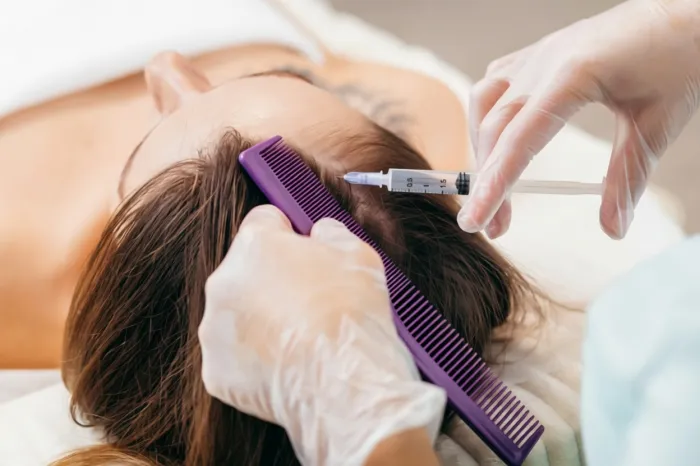
Doctors remind patients to be wary of products promising fast or miracle results, as only minoxidil and finasteride are approved by authorities like the FDA for treating hair loss. Hair transplants are also a proven option for those seeking a permanent solution, while therapies like platelet-rich plasma and low-level laser treatments have produced mixed results. Experts recommend seeking advice from dermatologists and maintaining realistic expectations, as most effective treatments require several months to show noticeable improvement. Proper scalp care, healthy lifestyle habits, and consulting certified professionals remain the backbone of reliable hair loss management.
