
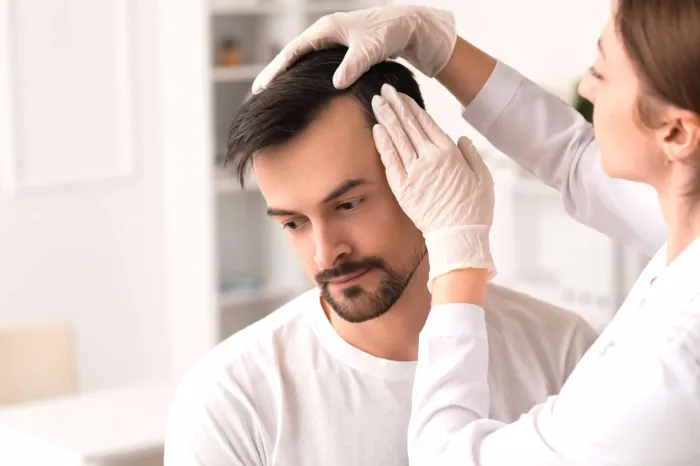
Cancer patients often face hair loss as a side effect of certain treatments, which has led many to seek out supplements and vitamins promising to help with hair regrowth. However, medical professionals are raising concerns over the effectiveness and potential dangers of these popular products, urging patients to make informed decisions based on science rather than marketing.
Doctors emphasize that evidence strongly supports iron replacement therapy only when a deficiency is confirmed by testing. For many people losing hair due to cancer treatments, commonly used broad-spectrum supplements for hair, skin, and nails do not have reliable clinical evidence to support their effectiveness. This means that for most individuals, these products are unlikely to help with hair thinning or regrowth.
One specific supplement, biotin, has gained popularity for its supposed benefits for hair growth. However, experts warn that not only is the evidence for biotin’s effectiveness weak, but the supplement may also cause complications for cancer patients. Biotin can interfere with important laboratory tests, including hormone panels. This interference may lead to incorrect blood results, which is dangerous for individuals undergoing cancer therapy who need accurate monitoring for critical treatment decisions.
Some cancer therapies, such as stem cell transplantation for conditions like multiple myeloma, often result in temporary total hair loss. Patients may find the emotional and physical impact of this sudden change significant. While regrowth is possible after treatment ends, experts stress that supplements are not a guarantee of faster or fuller hair return. They advise patients to consult their healthcare providers before starting or stopping any supplement or therapy.
Patients and physicians alike are encouraged to discuss safe and effective strategies for managing hair loss. This includes checking for iron deficiency through proper tests and being cautious with over-the-counter products that lack scientific support. Raising awareness of the risks associated with biotin and other supplements during cancer care can help protect patient health and prevent unintended consequences.
