
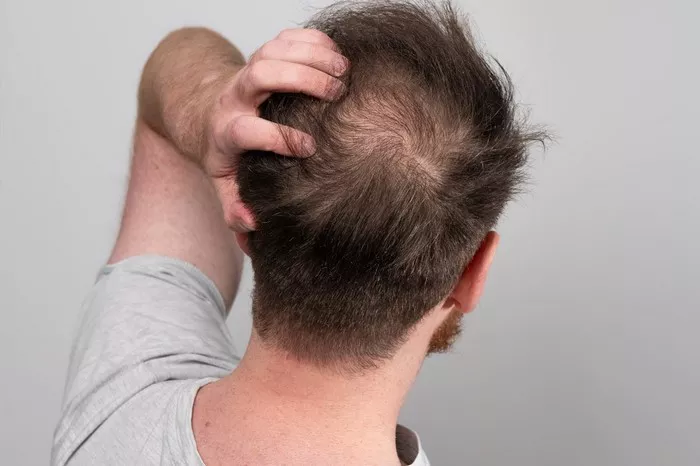
Hair loss is no longer an issue that Indian men are willing to postpone. Increasingly, men in their 20s and 30s are seeking medical advice as soon as they notice thinning hair, rather than waiting for baldness to set in.
A recent survey analyzing the hair health of over 500,000 men across India reveals a striking trend: more than 50% of Indian men experiencing hair loss are under the age of 25. The findings, widely reported in national media, underscore a growing phenomenon of premature hair loss among young Indians.
Experts point to a combination of factors driving the early onset, including genetics, high stress levels, irregular sleep patterns, poor dietary habits, and urban lifestyle elements such as pollution. Diagnoses of androgenetic alopecia, the most common form of hair loss, are now being made in patients as young as 20.
What has changed is not the condition itself, but the response to it. Unlike previous generations, who often waited until hair loss was severe, young Indian men today view hair loss as a progressive condition that can and should be treated early. Hair restoration specialists emphasize that addressing hair loss at its initial stages helps preserve existing hair and enhances treatment outcomes.
Advances in treatment options have further fueled this shift. Modern techniques such as Follicular Unit Extraction (FUE), non-surgical medical therapies, and personalized treatment plans have made interventions less invasive and more socially acceptable. Globally, the International Society of Hair Restoration Surgery has reported a steady rise in young patients seeking early consultations, reflecting a broader international trend.
Social perceptions also play a key role. In India, where physical appearance can influence confidence, social interactions, and even professional opportunities, early hair loss can have significant psychosocial impacts. Public discussions by social influencers have helped reduce stigma and promote awareness about available solutions.
For hair transplant and hair loss specialists, the message is clear: delaying treatment is no longer advisable. Early intervention increases the likelihood of success, reduces the need for corrective procedures, and allows young men to take control of their hair health before the problem escalates.
