
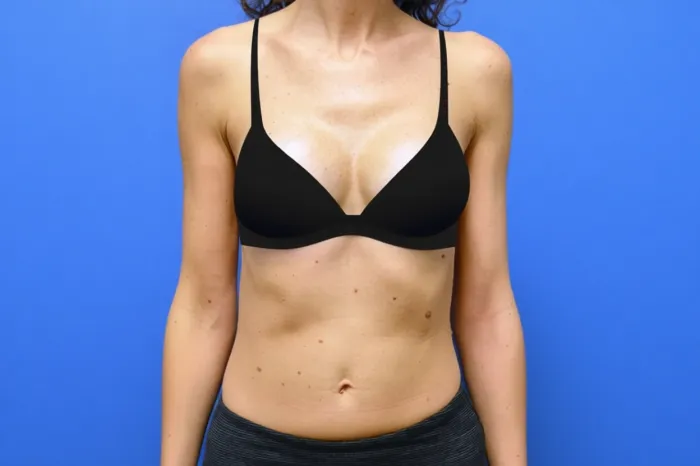
In recent months, a unique approach to breast augmentation has captured considerable interest among patients seeking natural aesthetics and quicker recuperation. The technique relies on processed fat sourced from cadaver donors, providing an alternative to traditional implants and personal fat grafts that meets rising demand across clinics, especially in New York and nationwide.
Patient Experiences Highlight Personalized Transformation
Stacey, a Manhattan financial specialist, described her experience with AlloClae, a processed human fat injectable, as transformative after earlier methods failed to deliver the shape she desired. After investing heavily in correction and enhancement procedures, she credits AlloClae with finally achieving improved contours for her hips and buttocks. The donated fat, sourced under stringent medical standards, undergoes advanced sterilization and processing to remove genetic markers while maintaining its structural integrity, resulting in immediate volume and support where injected.
Innovations Address Diverse Needs
The appeal of cadaver fat transfer often extends to individuals recovering from substantial weight loss, sometimes following medical treatments such as Ozempic. For these patients, the technique offers restoration of natural fullness to areas impacted by weight changes. Unlike conventional fat transfers—requiring removal of fat from a patient’s own body—this minimally invasive procedure eliminates the need for donor sites and lengthy recovery periods. Medical professionals report that recipients of AlloClae typically return to their usual activities within a day of treatment, contrasting sharply with older methods that involve weeks or months of healing.
Expert Perspectives on Safety and Effectiveness
Plastic surgeon Dr. Darren Smith emphasizes the role of AlloClae in serving patients with insufficient own body fat or those seeking revision after unsatisfactory cosmetic procedures. Additionally, Pilates instructor Katrina Daphne opted for a hybrid approach, combining breast implants with supplemental AlloClae injections to achieve a softer, more authentic result. While some patients initially express hesitation about the fat’s origins, ongoing feedback points to high satisfaction rates, improved self-image, and quick post-procedure recovery.
Broader Impact and Outlook
Medical practitioners involved in the process highlight rigorous regulation and ongoing safety evaluations. The option to repeat procedures for enhanced or maintained results provides further appeal. Despite the considerable financial commitment required—placing it in the league of luxury cosmetic products—many patients and industry observers consider the advantages worthwhile. As the popularity of cadaver fat transfer expands among both high-profile celebrities and everyday clients, this method appears poised to influence future trends in breast and body augmentation.
