
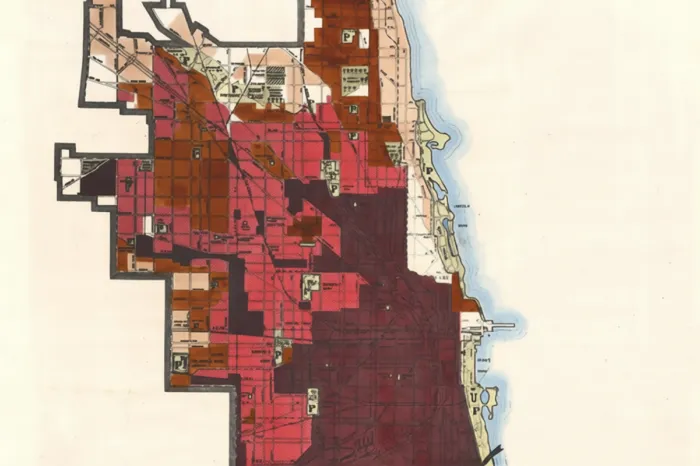
A recent study has found that women living in neighborhoods historically marked as high-risk through redlining practices face worse breast cancer survival rates compared to those from more privileged areas. The research, led by Dr. Sarah M. Lima, an epidemiologist at Georgetown Lombardi Comprehensive Cancer Center, points to a persistent gap in health outcomes that echoes deeply rooted socioeconomic inequalities.
Dr. Lima explained that redlining—an old housing policy that graded neighborhoods, often discriminating against minorities—continues to impact residents’ access to key resources. Although these policies are now illegal, their effects linger, influencing both economic and environmental conditions. This translates into differences in healthcare access, including the ability to benefit from the latest cancer treatments.
The study observed that breast cancer survival disparities narrowed in the years following medical advances in the 1990s, but began to increase again between 2015 and 2019. Experts suggest this trend may be linked to the introduction of new drugs, such as CDK4/6 and PARP inhibitors, which were more quickly available to people in affluent areas. Women in higher-rated neighborhoods are more likely to access cutting-edge treatments due to better insurance, well-funded hospitals, and personal networks within the medical community. In contrast, patients in formerly redlined neighborhoods often encounter barriers to the same care—even when new therapies become the standard.
A striking finding from the research was that, in the late 1990s, residents of the least-favored areas had a 75% higher risk of death from breast cancer compared to those in the best-rated communities. Dr. Lima emphasized that this statistic illustrates the enduring consequences of historic policies on today’s healthcare outcomes.
The disparities were most noticeable among patients diagnosed at early cancer stages, which are generally treatable. In these cases, access to and quality of treatment can make a major difference, highlighting the impact of social and economic divides. Additionally, while screening rates such as mammography were found to be relatively similar across neighborhoods, the greatest variations appeared in access to new and advanced therapies, as well as follow-up care.
Dr. Lima and her colleagues call for addressing these neighborhood-level inequalities through policy changes and an expanded focus on health equity. They suggest that improving health insurance coverage, ensuring a wider range of drugs are available under government programs, and standardizing how hospitals adopt medical innovations could help reduce survival gaps. Ultimately, they urge policymakers and healthcare leaders to prioritize neighborhood health, not just property values, to improve outcomes for all cancer patients.
