
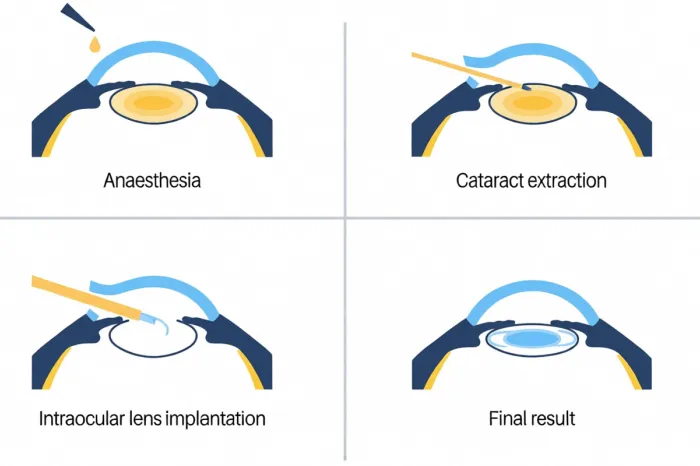
Millions of people suffering from cataract-induced blindness are still unable to access the simple surgery that could restore their vision, according to new research published in The Lancet Global Health journal. Cataract surgery is a 15-minute medical procedure known for being both cost-effective and capable of producing immediate, lasting results in sight restoration. Despite its benefits, nearly half of those affected worldwide remain without access to this treatment.
The study, which included experts from the London School of Hygiene and Tropical Medicine and the Effective Cataract Surgical Coverage (eCSC) study group, is based on analysis of population surveys from 68 countries. One major tool used was the “Rapid Assessment of Avoidable Blindness” (RAAB), which helped researchers estimate how many people with moderate to severe vision loss can undergo cataract surgery. The research found that in 2025, only about 48.2 percent of people needing cataract surgery are predicted to have access, with a projected increase of just 8.4 percentage points between 2020 and 2030.
This rate of progress is seen as insufficient to meet the World Health Assembly’s global goal of a 30 percent rise in effective cataract surgery coverage by 2030. Currently, 94 million people around the world are affected by cataracts, and demand is increasing due to aging populations and rising numbers of cases. The World Health Organization (WHO) noted that, even though there has been a 15 percent rise in cataract surgery coverage over the past twenty years, much remains to be done.
The WHO is calling on countries to prioritize vision health. It suggests integrating vision screening and eye examinations into primary health care settings. The health agency also recommends investing in surgical infrastructure and expanding the eye-care workforce, especially in rural and underserved areas. Another important priority is targeting women and marginalized groups, who are more likely to experience barriers to treatment.
The challenge now facing global health leaders is how to close the gap in eye surgery availability. The WHO emphasizes that action must be swift and focused, so that all individuals, regardless of background or location, benefit from improved access to sight-restoring cataract procedures. Failure to accelerate progress could leave millions without the chance to reclaim their vision in the years to come.
