
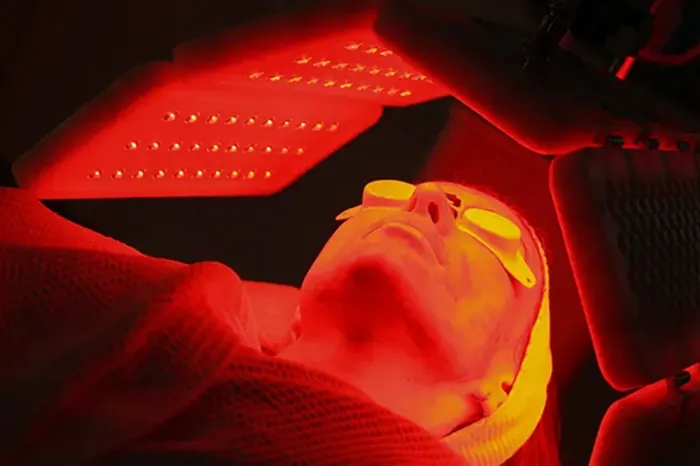
A new approach to treating superficial basal cell carcinoma (BCC) is gaining attention in the medical community as clinical trials and regulatory progress highlight the effectiveness of red light photodynamic therapy. Recently, the US Food and Drug Administration (FDA) accepted a supplemental new drug application (sNDA) for aminolevulinic acid (ALA) topical gel used in combination with RhodoLED red light lamps. This marks a potential milestone for non-surgical treatments targeting superficial BCC.
Red light photodynamic therapy utilizes a 10% ALA gel applied to the skin lesion, followed by exposure to red light. This process activates the gel, penetrating deep into the skin’s dermis and effectively targeting cancer cells. Experts such as Dr. Todd Schlesinger, a dermatologist and clinical trialist, emphasize that red light’s deeper penetration gives it an advantage over blue light, which has been commonly used but lacks robust evidence for BCC treatment.
Recent randomized, double-blind clinical studies have demonstrated the effectiveness of this regimen. In one multicenter phase 3 trial, patients treated with the topical gel and red light experienced significantly higher clearance rates of skin lesions compared to those who received a placebo. Complete clinical clearance rates exceeded 80% for those using the gel and red light, while aesthetic outcomes were rated as good or very good by most patients. These findings strengthen the case for adopting red light photodynamic therapy as a standard care option.
There are key factors for patient selection. Candidates should have biopsy-confirmed superficial BCC located on the trunk or limbs, with lesions up to three centimeters. This treatment is particularly suitable for individuals who prefer to avoid surgery. Before starting therapy, it’s important that patients do not have conditions such as photosensitivity, or allergies to the gel, and that their cancer subtype is appropriate for this method.
Safety data from the trial found no unexpected adverse effects. Application site pain and redness were the most common side effects, but overall the treatment was well tolerated. If approved by the FDA, this would be the first photosensitizer indicated for superficial BCC in the US, offering a new option for many patients. The FDA’s target review date is set for later this year. This progress highlights the growing role of photodynamic therapy and red light technology in dermatology, offering hope for those battling skin cancer.
