
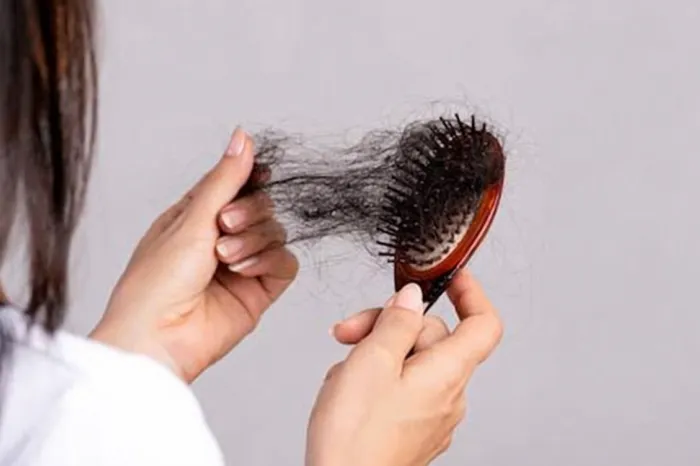
Growing concern over hair loss and thinning hair has led to a spike in interest for reliable treatments. From homemade natural oils to specialised pharmaceutical products, experts have outlined several methods with proven benefits for supporting hair regrowth and healthy scalps.
Many people are turning to DIY hair oils made with ingredients easily found in kitchens. Onion hair oil, for instance, has become popular for its ability to stimulate the scalp and reduce hair fall. The high sulphur content in onions is said to boost collagen production, strengthening hair follicles. Other at-home recipes include curry leaves oil, aloe vera oil, fenugreek (methi) oil, hibiscus oil, Indian gooseberry (amla) oil, and garlic-infused oil. Each of these oils carries nutrients believed to nourish roots, combat thinning, and improve scalp health.
In addition to topical treatments, nutritionists and dermatologists stress the importance of diet in combatting hair loss. Black sesame seeds, used traditionally in some Asian cultures, are now recognised for providing essential minerals such as iron, calcium, magnesium, zinc, and copper—all vital for healthy hair. These seeds support blood circulation in the scalp and may delay premature greying due to their antioxidant content. Experts advise incorporating black sesame seeds into the daily diet through soaking, grinding into powder, or adding to meals. However, they caution moderation and consultation for those with allergies or medical concerns, as no single food will reverse severe hair loss without a comprehensive health approach.
Medical professionals continue to evaluate the effectiveness of nutritional supplements for thinning hair. While collagen and biotin are commonly marketed for hair health, research shows these may not deliver noticeable results unless a person is already deficient. Blood tests to check thyroid function and iron stores (ferritin levels) are recommended for those experiencing significant hair loss, as underlying health issues can contribute to the problem.
Prescription remedies also play an important role, especially for stubborn cases. Minoxidil, originally used for blood pressure, has been shown to extend hair growth phases when applied topically. Recent advancements include compound minoxidil blends with added ingredients like adenosine, copper peptides, and azelaic acid, offering enhanced results and faster visible improvement. Clinical trials suggest these modern blends can outperform standard minoxidil solutions, though user compliance and consistency are critical for success. Many users may experience an initial increase in shedding when starting these treatments, but this phase typically signals new hair growth is underway.
Whether using natural home remedies, dietary changes, or scientifically-formulated medications, experts agree that effective hair regrowth requires patience, a tailored approach, and often advice from medical professionals. While some treatments can lead to noticeable improvements in as little as three months, optimal results usually require ongoing commitment to routine and a holistic view of hair health.
