
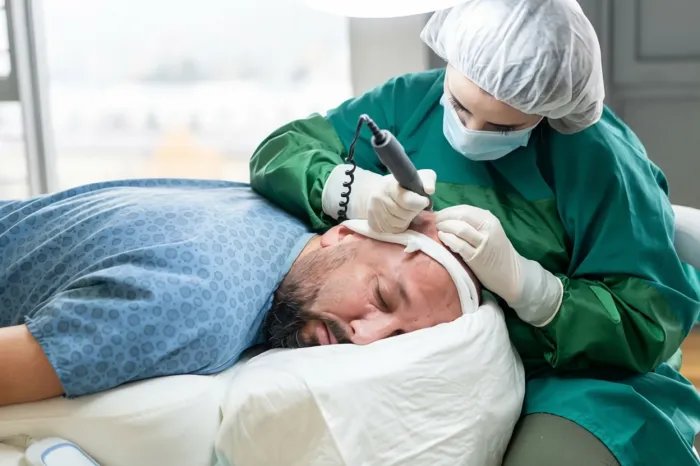
Recent developments in hair transplant technology have brought significant changes to clinics offering Follicular Unit Extraction (FUE) and Follicular Unit Transplantation (FUT), two leading techniques for hair restoration. Both methods rely on relocating healthy hair follicles from donor areas to regions experiencing thinning, with the core biology remaining the same. However, the process now benefits from cutting-edge tools and digital assessments that improve precision and patient outcomes.
FUE involves extracting individual hair follicles using tiny punches, often from the back or sides of the scalp. Technology has enhanced this procedure, providing greater control over depth and reducing trauma to the follicles. Improved lighting and magnification support surgeons in avoiding damage, while careful handling of grafts—including maintaining hydration and proper temperature—has raised survival rates and growth success. The results depend not just on the technique, but on the clinic’s attention to detail throughout the process.
FUT, on the other hand, is a method where a thin strip of scalp is removed and then dissected into grafts for transplantation. Although FUT can result in a linear scar, modern instruments have helped reduce stress on follicles and made scars less noticeable, especially when executed carefully. High-magnification microscopes, refined dissection tools, and better closure procedures now contribute to stronger outcomes. The choice between FUE and FUT often comes down to individual needs, such as desired graft count and recovery preferences.
Digital scalp analysis and hair density mapping are now common in both procedures. These technologies provide accurate assessments that were previously impossible, helping clinics create tailored plans for each patient. Implantation tools and planning strategies—such as managing hairline angles and density—are also more advanced, resulting in natural-looking hair while reducing recovery time and disappointment.
Across regions, clinics are adopting standardized protocols to ensure consistent quality. In places like Northern Virginia, Charlotte, and Sarasota, practitioners focus on donor assessment, graft handling, and aftercare tailored to local needs. Recovery is now supported by follow-up tracking, clear guidance, and, in some cases, supportive treatments such as platelet-rich plasma therapy. Growth takes time, and patience is needed as transplanted hair goes through several stages before full maturation. Choosing the right clinic and technique is a personal decision, best guided by digital assessments and thorough consultation with specialists.
