
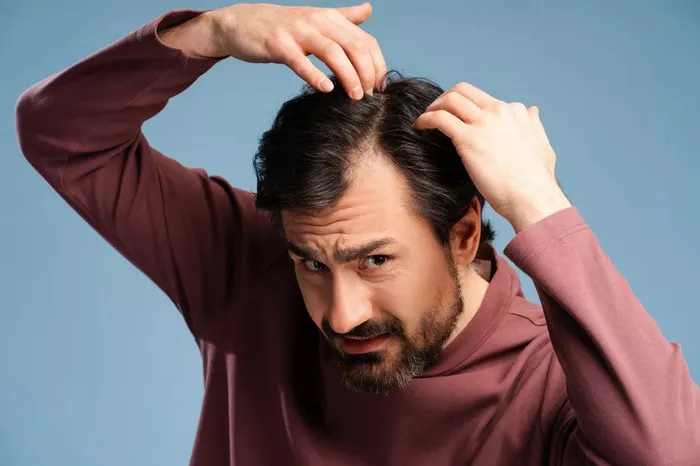
Androgenetic alopecia, commonly known as male or female pattern hair loss, often begins subtly, with signs like a receding hairline, a thinning part, or sparse patches of hair. While it progresses slowly, early detection can make a significant difference in treatment outcomes.
According to Dr. Natalie Kash, a board-certified dermatologist, fellowship-trained hair restoration surgeon, and co-founder of the Root Hair Institute, androgenetic alopecia is the most common form of hair loss, affecting both men and women. “There isn’t a one-size-fits-all solution,” Kash notes, “but there are several FDA-approved treatments that can effectively slow its progression.”
Genetic and Hormonal Drivers
The primary cause of androgenetic alopecia is genetic. Even individuals without a family history of hair loss can develop the condition, as multiple genes, along with factors like age, lifestyle, and environment, contribute to its onset.
Hair follicles in certain areas of the scalp are particularly sensitive to the hormone dihydrotestosterone (DHT). Over time, this sensitivity causes follicles to shrink, leading to thinning hair and eventual hair loss, according to research from the National Center for Biotechnology Information.
Male vs. Female Pattern Hair Loss
Male pattern hair loss often starts with a receding hairline or a bald spot on the crown, according to the American Academy of Dermatology (AAD). However, androgenetic alopecia is not exclusive to men.
Women can experience female pattern hair loss at any age, though it is more common in their 40s through 60s. Female hair loss may be DHT-driven in some cases, but other factors can also contribute. Typically, women notice a widening part or gradual thinning around the temples before more extensive hair loss occurs, Kash explains.
Treatment Options for Androgenetic Alopecia
Board-certified dermatologists typically use a multifaceted approach to treating pattern hair loss, combining medications with non-surgical procedures.
Medications
- Minoxidil (topical): Stimulates hair follicles and increases blood flow to the scalp, promoting regrowth. It is a gold-standard treatment for both men and women.
- Finasteride (oral): Reduces DHT production, addressing the hormonal driver of hair loss, commonly prescribed for men.
- Spironolactone (oral, off-label): Often prescribed to women to slow hair loss progression. Other options include flutamide and dutasteride, based on a dermatologist’s assessment.
- Low-dose oral minoxidil or dutasteride: Used selectively in certain cases to enhance regrowth.
Non-Surgical Therapies
- Red light therapy and lasers: Promote hair follicle stimulation and regrowth.
- Platelet-rich plasma (PRP) therapy: Administered in-office to support hair restoration.
Dr. Kash emphasizes that early intervention and individualized treatment plans are key to managing androgenetic alopecia effectively. “Understanding the cause and tailoring therapy can significantly improve outcomes for both men and women experiencing pattern hair loss,” she says.
