
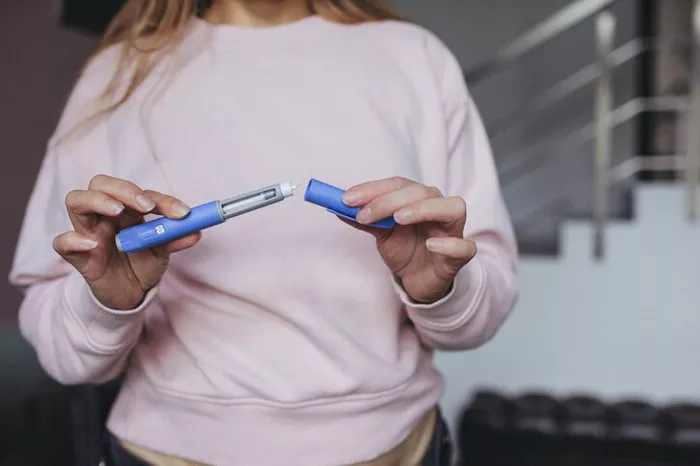
Prescribing GLP-1 receptor agonists to adolescents with obesity is gaining momentum in the United States, but experts caution that the rapid uptake is unfolding alongside significant unanswered questions—particularly around the long-term health effects of starting these medications at such a young age.
“We don’t know if there’s a differential effect of starting the medication at a younger age versus an older age,” said Dr. Joyce Lee, a professor of pediatrics and communicable diseases at the University of Michigan School of Public Health. While early intervention could potentially help young patients adopt healthier lifestyles into adulthood, Lee emphasized that evidence to confirm such benefits over decades is still lacking.
Despite these uncertainties, prescribing trends are accelerating. A 2024 study led by Lee and published in The Journal of the American Medical Association found that prescriptions for GLP-1 drugs among adolescents and young adults surged nearly 600% between 2020 and 2023. The growth mirrors the explosive demand seen among adults and reflects a broader shift in how obesity is understood and treated.
A Changing View of Obesity in Youth
About 20% of U.S. adolescents aged 12 to 19 have obesity, according to the Centers for Disease Control and Prevention, placing them at increased risk of cardiovascular disease, type 2 diabetes, and mental health challenges later in life. Historically, treatment focused almost exclusively on diet and physical activity. While those strategies remain foundational, their impact has often been modest.
In response, the American Academy of Pediatrics updated its clinical guidelines in 2023 to recommend considering medication for patients aged 12 and older. That same year, the U.S. Food and Drug Administration approved semaglutide, marketed as Wegovy, for weight loss in adolescents with obesity.
The shift reflects growing recognition that obesity is driven by complex biological and genetic factors, not simply personal behavior. “The evidence is pretty clear that obesity is not someone’s fault,” said Aaron Kelly, professor of pediatrics and co-director of the Center for Pediatric Obesity Medicine at the University of Minnesota Medical School. “It’s the convergence of underlying biology, genetics, and an obesity-promoting environment.”
Evidence of Broader Health Benefits
Research increasingly suggests that effective weight loss—however achieved—can deliver wide-ranging health benefits. Kelly points to improvements in conditions such as type 2 diabetes, chronic kidney disease, sleep apnea, cardiovascular risk, and joint pain.
In a November study published in Diabetes Care, Kelly and his colleagues found that semaglutide significantly improved insulin sensitivity and cardiometabolic risk factors in adolescents with obesity. Another study, published in JAMA Network Open in December 2025, linked GLP-1 use to improved asthma control in adolescents, a finding that surprised some researchers given the differences between childhood and adult asthma.
“Although this was an early observational study, the findings suggest that GLP-1 receptor agonists may offer an additional therapeutic option for adolescents with difficult-to-control asthma,” said co-author Dr. Linshien Fu, noting the importance of real-world pediatric data.
For clinicians, the promise extends beyond short-term weight loss. “We’re really treating life-course obesity,” Kelly said. “If we can intervene early and put kids on a healthier trajectory, they may never develop diabetes, heart disease, or severe joint problems. That’s the bigger picture.”
Lingering Concerns and Barriers to Access
Even as interest grows, many pediatricians remain cautious. One of the biggest concerns is whether adolescents will need to remain on these medications indefinitely. “Most of the evidence is telling us it will be lifelong,” Kelly said, comparing obesity treatment to managing chronic conditions such as hypertension.
Long-term safety data in children is also limited. Most pediatric studies have followed patients for only 12 to 18 months. While GLP-1 drugs have been used safely in adults with diabetes for decades, Kelly noted that evidence in younger teens is still sparse.
To address these gaps, researchers are building long-term clinical registries and launching large trials. Kelly is leading the largest adolescent obesity medication study to date, supported by a $16.8 million grant, which will follow 1,000 teenagers nationwide to determine how different levels of lifestyle counseling combined with medication affect long-term outcomes.
Caregivers, too, face complex decisions. A January study in JAMA Network Open found that parental choices around GLP-1 use are shaped by past experiences with lifestyle interventions, trust in medications, safety concerns, and media coverage. Families that saw limited success with diet and exercise alone were more open to medication, while others preferred to persist with non-pharmaceutical approaches.
Even when families and clinicians agree, cost and insurance coverage remain major hurdles. “There are FDA-approved indications, but coverage is inconsistent—it’s a bit of the wild west,” Lee said. While prices may decline and new options, such as an oral version of Wegovy launched in January, could improve uptake, access remains uneven.
“Right now, these medications are available mainly to people who can afford them,” Kelly said. “That’s especially troubling because obesity disproportionately affects populations with fewer resources. The people who need these treatments the most are often the least able to get them.”
As GLP-1 drugs reshape obesity care for adolescents, experts agree on one point: the promise is real, but so is the need for careful, long-term evidence to guide how—and for whom—these powerful medications should be used.
