
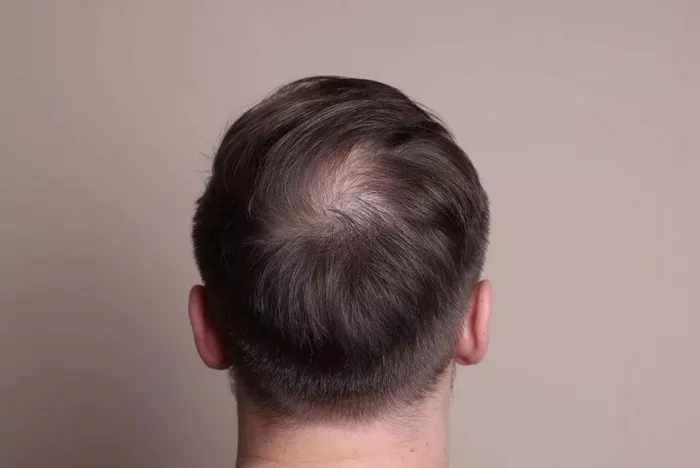
Hair loss affects more than 80% of men and nearly half of women, but going bald may not be inevitable. A new study suggests that combining the widely used hair loss treatment minoxidil with a natural sweetener could significantly boost hair growth.
Minoxidil, commonly sold under the brand name Rogaine, is one of the few FDA-approved over-the-counter treatments for male and female pattern baldness. While effective, it sometimes struggles to fully penetrate the scalp, and its water-insoluble formulation can lead to uneven application. To improve absorption, manufacturers often add chemicals like ethanol, which can cause irritation, rashes, or dandruff.
Researchers from the University of Sydney have found that adding stevioside, a compound derived from the stevia plant, can enhance the efficacy of minoxidil. Using a specialized dissolving microneedle patch, the team applied the combination to mice experiencing hair loss. The results were promising: hair follicles re-entered the growth phase, signaling the start of new hair growth.
“Using stevioside to enhance minoxidil delivery represents a promising step toward more effective and natural treatments for hair loss, potentially benefiting millions worldwide,” said study co-author Lifeng Kang.
The stevia-minoxidil mixture addresses common limitations of traditional topical foams by allowing prolonged, targeted drug release without the side effects associated with chemical additives. The findings were published in Advanced Healthcare Materials.
This is not the first attempt to improve minoxidil’s effects. The treatment is often paired with finasteride, a prescription drug that inhibits DHT, a hormone linked to hair loss. However, finasteride has been associated with mood disorders and an increased risk of suicidal thoughts, prompting researchers to explore safer, natural alternatives.
The study highlights the potential for innovative combinations like stevia-enhanced minoxidil to offer a more effective, convenient, and side-effect-free approach to hair restoration.
