
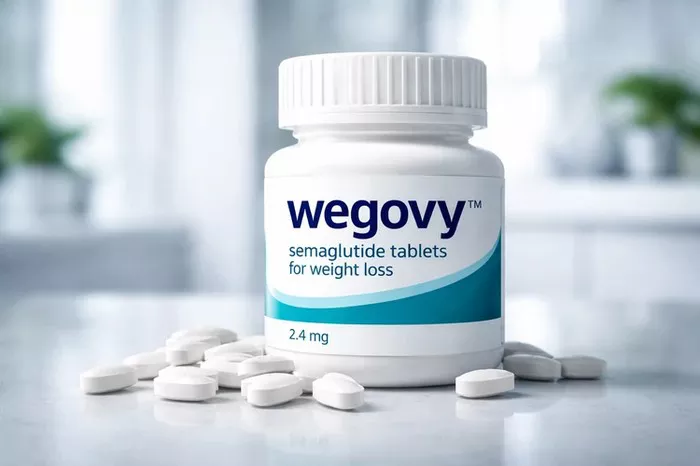
Weight-loss medications such as Wegovy and Ozempic have transformed obesity treatment, but doctors say they come with a reality many patients struggle to accept: for most people, the drugs require long-term, often lifelong, use to maintain results. Discontinuing them almost always leads to weight regain.
Despite this, many patients hope they will be the exception. Dr. Padmaja Akkireddy, an endocrinologist at Nebraska Medicine, estimates that more than half of her patients do not want to remain on weight-loss medications indefinitely. National data supports that trend, showing that most Americans stop taking GLP-1 weight-loss drugs within a year of starting them.
Even high-profile users have faced this challenge. Oprah Winfrey revealed that she stopped taking a weight-loss medication “cold turkey” for a year, only to regain 20 pounds. “I tried to beat the medication,” she told People magazine, adding that the experience made her realize the treatment would need to be lifelong.
Patients discontinue the drugs for a range of reasons. For many, cost is the primary barrier, as insurance coverage can be inconsistent or abruptly withdrawn. Others struggle with side effects such as nausea, constipation, or fatigue. Some are simply uncomfortable with the idea of relying on medication indefinitely.
According to Dr. Michelle Hauser, obesity medicine director at Stanford’s Lifestyle and Weight Management Center, patients often believe they can maintain weight loss on their own. “They think, ‘That’s not going to be me. I’m not going to take them forever,’” she said.
That belief has sometimes been reinforced by public figures. Health Secretary Robert F. Kennedy Jr. has suggested that weight-loss drugs may help people “reset,” implying that they can be used temporarily rather than as a long-term treatment. However, a growing body of research contradicts that view.
Studies consistently show that stopping GLP-1 medications leads to weight regain. The latest large-scale research found that, on average, people returned to their starting weight about 18 months after discontinuing the drugs.
Physiologically, the pattern is predictable. Once the medication wears off, appetite and food cravings often surge back. Rapid weight loss can also slow metabolism, making it harder to maintain results through diet and exercise alone. Even highly disciplined patients frequently struggle.
“It’s not impossible, but it’s extremely difficult,” Dr. Hauser said. She estimates that fewer than 10 of her patients have managed to keep off at least 75 percent of the weight they lost after stopping a GLP-1 medication without switching to another drug or undergoing bariatric surgery. Those who succeed typically exercise for hours a day and meticulously track their food intake.
Another concern is body composition. Because patients often lose muscle along with fat while on these drugs, regained weight is more likely to be fat. Cycling on and off medications can therefore leave patients metabolically less healthy, even if their weight appears similar to where they started.
Insurance disruptions are a common trigger for stopping treatment. Jeremy Busche, 53, was forced off Ozempic last fall when his insurer limited coverage to patients with Type 2 diabetes. Over six months on the drug, he had lost about 40 pounds and improved his blood sugar levels. Within two weeks of stopping, he regained roughly 15 pounds and experienced intense hunger. After a brief break, he decided to resume Ozempic, paying out of pocket.
Other patients opt to stay on the medication long term, weighing the benefits against the costs. Ariel Neumann, 34, began Wegovy in 2023 after gaining weight during law school and treatment for a thyroid condition. She lost 25 pounds in four months and noticed an unexpected benefit: mental relief.
“For the first time since childhood, I have so much mental capacity for other things,” she said. “Why wouldn’t I stay on it?”
Her decision aligns with emerging evidence that GLP-1 drugs offer benefits beyond weight loss. Studies have shown reductions in cardiovascular risk, as well as improvements in kidney and liver disease, even when weight loss plateaus. Dr. Nils Krüger of Harvard Medical School noted that patients may continue to see health benefits even if the scale stops moving.
Reflecting this evidence, the World Health Organization released new guidelines last month recommending long-term use of weight-loss medications for adults with obesity to maintain results. However, there are still no formal guidelines for safely discontinuing these drugs.
As a result, physicians are navigating uncertain territory, balancing patients’ financial constraints and preferences with the high likelihood of weight regain after stopping treatment. “You ask five different obesity medicine doctors, you get five different answers,” Dr. Hauser said.
For now, experts agree on one point: while weight-loss drugs can be life-changing, stopping them is rarely a simple or consequence-free decision.
