
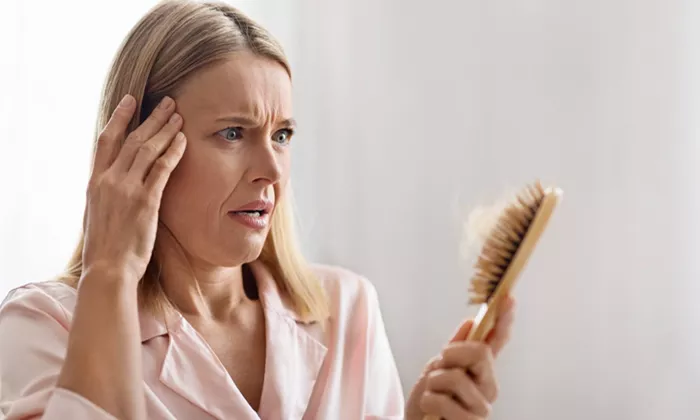
Hair loss is no longer a concern limited to men. Increasingly, women in their 20s and 30s are reporting noticeable hair thinning, excessive shedding, and reduced hair volume, raising alarms among healthcare professionals.
Medical experts point to hormonal disorders such as Polycystic Ovary Syndrome (PCOS) and Polycystic Ovarian Disease (PCOD) as major contributors to this growing trend. While these conditions are commonly associated with irregular periods, acne, weight gain, and fertility challenges, they can also trigger significant hair fall.
“These conditions disrupt hormonal balance, often elevating androgen levels that directly affect hair follicles,” explains Dr. Shareefa Isa Chause, a dermatologist based in Mumbai. “The result is androgenic alopecia, a type of gradual yet persistent hair loss. Early diagnosis and treatment are crucial to prevent long-term thinning.”
Dr. Chause adds that women with PCOS or PCOD may experience widening of the hair parting, thinning hair, and even localized bald patches. The physical impact is often compounded by emotional distress, affecting self-esteem, body image, and social confidence. According to studies, approximately three in ten women aged 20–30 with these conditions notice visible hair thinning within a month, prompting many to seek medical help.
Hair loss caused by hormonal imbalances can be managed with a combination of lifestyle adjustments, medical interventions, and topical treatments. Experts recommend a balanced diet rich in protein, iron, and essential vitamins, along with regular exercise to regulate hormones. Stress-reduction practices like yoga and meditation further support hair health. Topical treatments, such as minoxidil, and, in some cases, oral medications can stimulate regrowth.
“Gentle hair care is equally important,” Dr. Chause notes. “Avoid harsh chemical treatments, excessive heat styling, and tight hairstyles. Mild shampoos and regular conditioning can reduce breakage. While severe cases may not be fully reversible, timely intervention can slow progression and improve hair density.”
Gynecologist Dr. Priyanka Sonawane of Zynova Shalby Hospital adds, “Hair thinning is a common complaint among women with PCOS and PCOD. Early treatment—including hormonal regulation, nutritional support, and dermatologist-guided therapies—can control hair loss, restore hair density, and boost confidence.”
Raising awareness about the connection between hormonal disorders and hair health is critical. With early intervention and proper care, women affected by PCOS and PCOD can significantly manage hair fall, regain healthier hair, and improve overall quality of life.
