
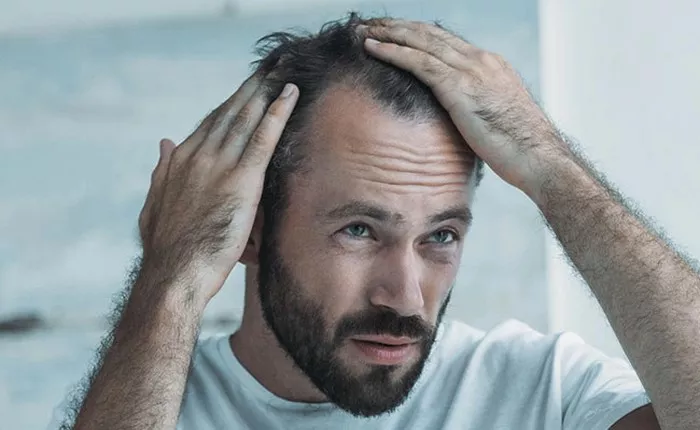
Hair loss may seem cosmetic, but in South Korea, it has become a heated topic of public health debate. President Lee Jae-myung’s recent call to study expanding public health insurance to cover hair loss treatments has ignited conversations that intersect social pressure, mental well-being, and government spending.
Appearance and Social Pressure in South Korea
In a society where appearance carries significant weight, hair loss can be more than a personal concern—it can affect social and professional opportunities. Studies indicate that nearly 98% of young South Koreans believe physical appearance offers tangible advantages in life. Premature baldness, affecting roughly 10 million people in the country, can contribute to anxiety, social discomfort, and feelings of isolation, particularly for young adults entering an already competitive job market.
A Booming, Expensive Industry
The hair care market in South Korea has grown substantially, reaching nearly 188 billion won in 2024. Consumers spend heavily on specialized shampoos, medications, dietary supplements, and hair transplants. Yet, such treatments remain largely inaccessible for individuals with limited financial means, leading many to manage hair loss privately. Men, in particular, often conceal baldness through hairstyles or discreet surgical procedures, while women face continued societal pressure regarding overall appearance.
A “Matter of Survival”
President Lee argues that hair loss is no longer merely cosmetic but a legitimate “matter of survival” for young South Koreans. The proposal emphasizes that young taxpayers, who contribute to the healthcare system, currently lack access to support for an issue that affects self-confidence, mental health, and professional prospects, including job interviews. The initiative was first discussed during Lee’s 2022 presidential campaign and has resurfaced as a focal point of policy debate.
Opposition and Budgetary Concerns
The proposal has faced strong criticism. Conservative politicians and healthcare experts, such as Yoon Hee-sook, argue that public funds should prioritize life-threatening illnesses, including cancer, over cosmetic concerns. South Korea’s healthcare system is already projected to run a 4.1 trillion won deficit by 2026, fueling concerns that covering hair loss could exacerbate financial strain and over-medicalize non-critical conditions. Conservative media outlets have also criticized the plan as unilateral and inadequately consulted with taxpayers.
Balancing Mental Health and Fiscal Reality
Health Minister Jeong Eun Kyeong acknowledges the psychological impact of hair loss on young adults but stresses that a careful financial analysis is essential before any policy changes. Supporters, including Representative Park Joo-min, who has personally undergone a hair transplant, view the measure as a way to reduce stigma and foster empathy within society.
A Broader Conversation on Health and Body Positivity
The debate extends beyond hair, touching on how society defines health, normality, and self-acceptance. Advocates emphasize that self-care should never be stigmatized, and hair loss should not be perceived as personal failure. While public health coverage for baldness remains uncertain, the ongoing discussion marks a shift toward greater recognition of mental well-being and body positivity in South Korea.
