
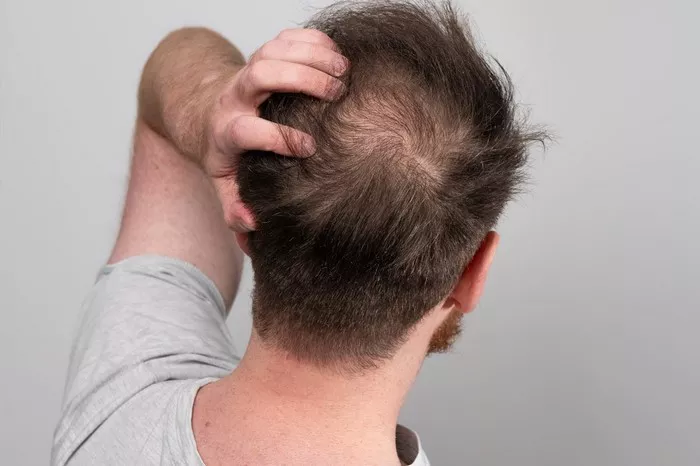
Hyderabad experiences a noticeable rise in hair shedding during the winter months, as colder weather exposes underlying vulnerabilities in scalp and hair health. Dermatologists attribute this seasonal increase to Telogen Effluvium (TE), a temporary hair loss condition triggered by stress, illness, or sudden lifestyle changes.
While mild hair shedding is common, experts caution against ignoring sudden or excessive loss. Dr. K. Kranthi Varma, consultant dermatologist at Renova Hospitals, explains: “Telogen Effluvium is different from routine hair fall. It is an excessive, temporary shedding triggered by physical or emotional shock such as illness, surgery, stress, or sudden dietary changes. These triggers push a large number of hair follicles into the telogen, or resting phase, simultaneously.”
One of the challenges with TE is its delayed onset. “Hair fall usually begins two to three months after the triggering event, which is why people often fail to connect the cause with their current shedding,” Dr. Kranthi adds.
Dr. Abhishek Pilani, founder of Assure Clinic, notes that patients often report seeing excessive hair on pillows, in shower drains, or while combing, without any immediate cause. “Winter itself does not cause permanent hair loss, but it creates conditions that make existing hair concerns more visible,” he says. Lower humidity during colder months contributes to scalp dryness, irritation, flaking, and micro-inflammation around hair follicles — all of which make stressed follicles more likely to shed.
Winter also affects the scalp in subtler ways. Dr. Pradeep Sethi, co-founder and chairman of Eugenix Hair Sciences, highlights the ‘thermal seesaw’ effect — the constant transition between cold outdoor air and heated indoor environments. “Low humidity dries the scalp, causing flaking and inflammation. Sometimes, the scalp overcompensates by producing excess sebum, leading to winter dandruff or seborrhea, which can trigger temporary hair fall,” he explains.
Early detection can help reduce anxiety. Dr. Kranthi suggests looking for diffuse thinning across the scalp or excessive shedding two to three months after a major stressor. Medical consultation is recommended if hair fall persists beyond six to eight weeks, shows visible thinning, or is accompanied by symptoms like scalp discomfort, fatigue, weight changes, or hormonal imbalances. “Home remedies cannot address internal triggers like iron deficiency or thyroid imbalance,” warns Dr. Abhishek.
Despite its alarming appearance, TE is largely reversible. “In nearly 95 percent of cases, it is self-limiting. Once the trigger is addressed, hair follicles return to their normal growth cycle,” says Dr. Kranthi. Hair shedding typically peaks within three to six months, with visible regrowth around six to nine months and full density often returning within a year.
