
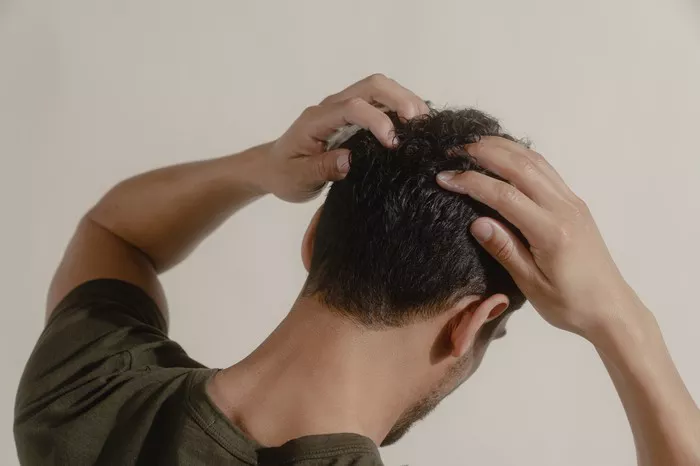
That daily soda may be doing more than adding empty calories to the diet. New research suggests frequent consumption of sugar-sweetened beverages could also be contributing to hair loss, adding another potential health risk to a growing list linked to excessive sugar intake.
An analysis led by researchers at the Universidade do Porto in Portugal found that people who regularly consume sugary drinks may be more likely to experience hair loss. The findings reinforce earlier research indicating that diet and nutrition play a significant role in hair health, particularly when it comes to limiting soft drinks and alcohol while ensuring adequate intake of key nutrients such as vitamin D and iron.
The Portuguese researchers cited studies from the past decade showing a consistent association between sugary beverage consumption and an increased risk of hair loss, especially in men. Inflammation triggered by diets high in simple sugars appears to be a contributing factor.
How much soda is too much?
One 2023 study referenced in the analysis found that young men who consumed 11 or more cans of sugary drinks per week — roughly 3,500 milliliters — faced a significantly higher risk of male pattern hair loss. That research, conducted by scientists at Tsinghua University and involving 1,028 participants, relied on self-reported data, making it difficult to establish a direct cause-and-effect relationship.
However, the Portuguese authors noted that the findings align with earlier research, including a 2016 study that identified processed foods high in simple sugars as an indirect risk factor for hair loss. Sugary beverages have also been linked to obesity, tooth decay and metabolic issues, all of which have been associated with hair thinning.
The biological link between sugar and hair loss
Researchers say the connection between sugary drinks and hair loss is not coincidental. Processed foods rich in simple sugars can stimulate excess production of sebum, the oily substance that naturally moisturizes the skin and scalp. While sebum is essential in normal amounts, overproduction can lead to bacterial growth on the scalp.
This bacterial buildup may trigger irritation and inflammation, which can disrupt normal hair growth cycles and accelerate shedding. Chronic inflammation of the scalp can weaken hair follicles over time, increasing the risk of thinning and hair loss.
The authors suggest that targeted dietary changes could play an important role in preventing and managing conditions such as alopecia. Still, they caution that more research is needed to fully understand these relationships and to develop evidence-based nutritional guidelines for hair health.
A widespread issue
Hair loss is far more common than many people realize. According to the National Council on Aging, about 85% of men and 33% of women in the United States will experience some degree of hair loss in their lifetime. For men, the process often begins early, with roughly one in four noticing thinning by age 30.
Androgenetic alopecia, commonly known as hereditary pattern baldness, is the most prevalent form of hair loss in both men and women. While treatments are available, their effectiveness varies depending on the individual and how early intervention begins.
The Mayo Clinic notes that medications and surgical options can help slow or, in some cases, partially reverse hair loss. Treatments such as finasteride (Propecia) and minoxidil (Rogaine) have shown benefits for certain patients, while patchy hair loss may sometimes resolve on its own without treatment.
Dietary strategies for healthier hair
Beyond reducing sugary drink intake, the research highlights several nutritional factors that may support hair health. Higher levels of vitamin D and iron were associated with reduced severity of alopecia and improved hair growth.
The analysis also found positive links between hair health and adequate protein intake, as well as consumption of soy products, cruciferous vegetables and certain supplements. Foods such as broccoli, kale, Brussels sprouts and cauliflower may contribute to better hair density, while soy milk and other soy-based foods showed a protective effect.
Experts suggest that individuals concerned about hair loss consider reviewing their diets and, if necessary, consulting a healthcare provider to check for nutrient deficiencies. Addressing dietary habits may be a practical first step before pursuing more aggressive treatments.
The findings underscore the broader impact of nutrition on overall health. What people drink and eat influences not only weight and chronic disease risk, but also skin and hair health — a reminder that everyday food choices can have visible, long-term effects.
