
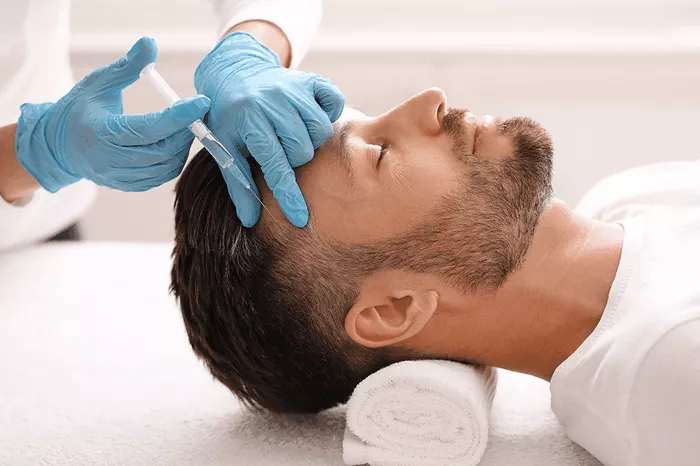
Scroll through Instagram or step into a high-end dermatology clinic, and exosome therapy is being hailed as a near-miraculous solution for hair loss and aging skin. Promises of thicker hair, smoother skin, fewer wrinkles, and improved texture abound, attracting growing interest in India and globally. Yet, despite the buzz, the science behind exosome therapy is still evolving, and its widespread use raises important questions about safety, efficacy, and regulation.
What Is Exosome Therapy?
Exosomes are nano-sized vesicles released by cells, most commonly mesenchymal stem cells. Unlike whole cells, exosomes act as messengers, carrying proteins, lipids, and genetic material like RNA to communicate repair signals between cells.
In aesthetic applications, exosomes are typically isolated from donor stem cells sourced from fat tissue, bone marrow, or umbilical cord tissue. These are then formulated into injectables, serums, or skin boosters, applied via microneedling, direct injection, or laser-assisted treatments. The underlying concept is straightforward: exosomes deliver signals that can stimulate hair follicle cells, enhance blood vessel formation, reduce inflammation, and boost collagen and elastin production in the skin. On paper, the biology appears sound.
Can Exosomes Stop Hair Fall?
Emerging evidence suggests that exosome therapy can improve hair density and shaft thickness, particularly in patients with androgenetic alopecia. However, it is not a definitive cure for hair loss.
A 2025 systematic review noted improvements in hair parameters in early human and preclinical studies, with two randomized controlled trials reporting positive outcomes and good tolerability. Yet, these trials had small sample sizes and short follow-up periods. Another review found just one clinical trial in humans, involving 39 patients, which reported significant increases in hair density and thickness after topical adipose-derived stem cell exosome treatment without major adverse events.
A broader 2025 clinical review encompassing nine studies with 125 patients found hair growth improvements but also reported at least 10 serious adverse events in dermatological applications, underscoring the need for caution.
In practice, exosomes may serve as an adjunct for those who do not respond well to minoxidil or platelet-rich plasma (PRP). They can enhance hair quality, density, and thickness, but their long-term effectiveness beyond 12–24 months remains uncertain.
The Anti-Ageing Promise
Exosome therapy is also gaining traction in skin rejuvenation. Early studies indicate potential benefits for wrinkles, skin texture, pigmentation, redness, and pore appearance, particularly when combined with microneedling, lasers, or other energy-based procedures.
Recent research shows that exosome-based treatments can improve collagen synthesis, enhance blood flow, reduce oxidative stress, and strengthen the skin barrier. Case studies have documented improvements in rosacea-related redness, melasma, and skin texture lasting up to 21 months after treatment.
However, standardized guidelines for dosing, session frequency, and maintenance are lacking. Comparative data against established treatments such as retinoids, lasers, or PRP remain limited, making it difficult to classify exosomes as superior rather than supplementary.
Regulatory and Safety Concerns
The largest gap between hype and reality is regulation. Despite their popularity, no exosome products have FDA approval. The agency has issued multiple warnings about unapproved exosome therapies, citing serious adverse events including infections, allergic reactions, and abnormal tissue growth. Clinics marketing these treatments without authorization have received warning letters.
Product variability is another concern. Exosome formulations differ based on source tissue, isolation techniques, purity, and dosage, creating significant inconsistencies in safety and effectiveness. While side effects in hair-focused studies are rare, broader dermatology data highlight the need for stricter oversight and standardization.
Bottom Line
Exosome therapy represents a promising frontier in hair and skin rejuvenation, with encouraging preliminary results. However, the lack of long-term data, standardized protocols, and regulatory approval means that patients should approach it with caution. For now, exosomes may be best considered as a supplemental option rather than a guaranteed solution for hair loss or anti-ageing.
