
Akshaye Khanna is currently enjoying widespread acclaim for his performance in Dhurandhar, with audiences praising everything from his acting depth to his on-screen appearance. However, the actor has previously spoken candidly about a personal struggle that began long before his recent success—premature balding.
In an earlier interview, Khanna revealed that he started losing his hair at just 19. Reflecting on the experience, he described it as deeply distressing, saying it felt akin to “a pianist losing his fingers.” His remarks resonated with many, highlighting the emotional toll early hair loss can take on young individuals.
Premature balding is not merely a cosmetic concern. It often affects confidence and self-esteem, prompting many to question its causes and whether the condition can be prevented or reversed. To better understand the issue, the Moneycontrol team spoke with Dr. Sunita Naik, Head Medical Advisor (West) and dermatologist at Kaya Limited.
What Is Premature Balding?
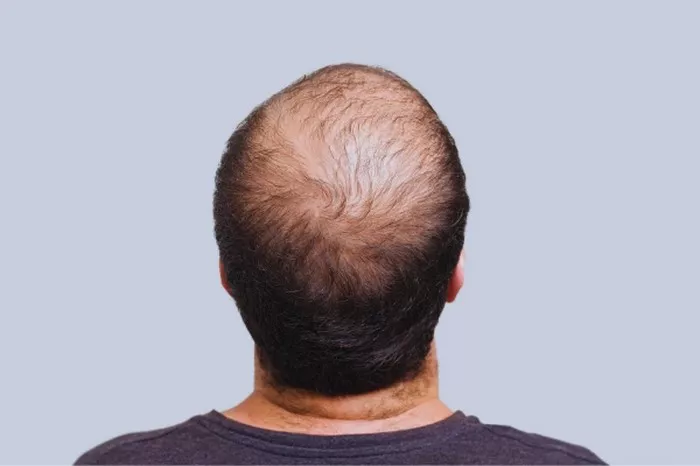
According to Dr. Naik, premature balding—defined as hair loss occurring before the age of 30—is most commonly a form of androgenetic alopecia, also known as pattern baldness. “It often begins in the teenage years or early twenties and is marked by thinning hair, a receding hairline, and increasing visibility of the scalp,” she explained.
Data suggests that around 25% of men experience premature balding, a figure that is steadily rising. Dr. Naik emphasized that early intervention plays a critical role. “Dermatologists consistently point out that timely treatment can significantly slow or even prevent early baldness. The key is to recognize the signs early and seek professional help,” she said.
What Causes Premature Hair Loss?
Premature balding is primarily linked to genetic and hormonal factors, but other contributors can exacerbate the condition. These include chronic stress, nutritional deficiencies, and underlying medical conditions. Dr. Naik listed alopecia areata, telogen effluvium, thyroid disorders, unhealthy dietary habits, and hereditary issues among the common causes of extensive hair loss.
Available Treatment Options
Dr. Naik outlined two broad approaches to managing premature baldness. The first focuses on medical management, which includes prescription medications and maintaining a balanced, nutrient-rich diet. The second involves advanced hair restoration therapies such as platelet-rich plasma (PRP), exosome therapy, QR678, and stem cell treatments. For individuals with advanced hair loss, hair transplantation remains a viable option.
When Is Hair Loss Irreversible?
Hair loss becomes irreversible when hair follicles shrink and eventually die due to inadequate blood supply and nutrition. In such cases, conventional remedies like hair oils or over-the-counter medications are ineffective. However, Dr. Naik noted that advanced therapies—including PRP, exosomes, QR678, and stem cell treatments—can help achieve natural-looking hair growth when follicles are still viable.
Symptoms to Watch Out For
The most common signs of premature balding include excessive hair fall, a receding hairline, and progressive thinning at the crown. While some daily shedding is normal, Dr. Naik warned that noticing excessive hair on pillows, combs, or during washing could indicate a more serious issue.
She also highlighted alopecia areata, an autoimmune condition characterized by circular or patchy hair loss on the scalp or eyebrows. Additional warning signs include changes in scalp or hair texture, itching, flaking, redness, lumps, or sores. These symptoms may point to conditions such as dermatitis, psoriasis, scalp infections, or nutritional deficiencies—particularly vitamin B12 deficiency.
Dr. Naik concluded that diffuse thinning and female pattern baldness are often accompanied by noticeable changes in hair texture, underscoring the importance of early diagnosis and personalized treatment.
