
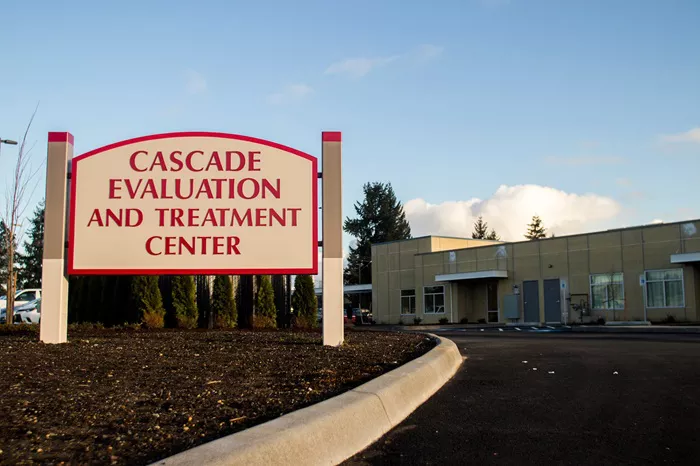
Cascade County is moving forward with a plan to expand mental health services, including a stabilization center for individuals in crisis and a mobile response team that can deploy health professionals to emergency calls traditionally handled only by law enforcement.
The initiative, led by the Cascade County Sheriff’s Office, is spearheaded by Kami Stone, the county’s crisis diversion coordinator. Stone updated county commissioners on the project Dec. 9. Her work is funded by a three-year, $1.4 million grant from the Montana Department of Public Health and Human Services.
The project’s “diversion” component aims to provide alternatives to jail for people experiencing a mental health crisis. Sheriff Jesse Slaughter has emphasized that the county jail is not equipped to provide mental health care.
“There is a large portion who don’t really need to go to jail,” Stone said. “They need to go somewhere to stabilize their mental health.”
Stone has also established a Behavioral Health Coalition, bringing together local health care providers, law enforcement, and community stakeholders. The coalition’s initial focus is creating a framework to guide responders during various crises and providing mental health training for emergency personnel.
Plans for the physical stabilization center and mobile response team are still in development. The county is partnering with the Indian Family Health Clinic downtown to renovate part of its building for the center. However, asbestos remediation is required before construction can begin. The clinic is awaiting a grant from the U.S. Environmental Protection Agency to cover abatement costs.
Meanwhile, Stone is forming a mobile response team in collaboration with Many Rivers Whole Health and seeking additional funding, including local opioid settlement money, to support the effort.
County commissioners expressed concern that activating the mobile response unit before the stabilization center is ready could result in individuals still being sent to jail. “In my opinion, until you get that stabilization center, the rest of it isn’t going to work,” Commissioner Joe Briggs said.
Cascade County previously operated a mental health mobile response team, which ended in 2023 after its health care partner, Alluvion Health, withdrew.
A recent state law allows county attorneys to commit individuals in crisis to a 72-hour mental health holding facility. Once completed, the IFHC stabilization center would serve as the main facility for such holds. Currently, Benefis Health System is the only other local facility capable of accommodating them. Benefis Communications Director Sarah Yoder said these admissions are managed through the hospital’s emergency department, with consultation from the county attorney’s office to determine appropriate care.
Related topic:
